
Analyst: Eid Homecoming Momentum Supports Short-Term Consumption in the Economy
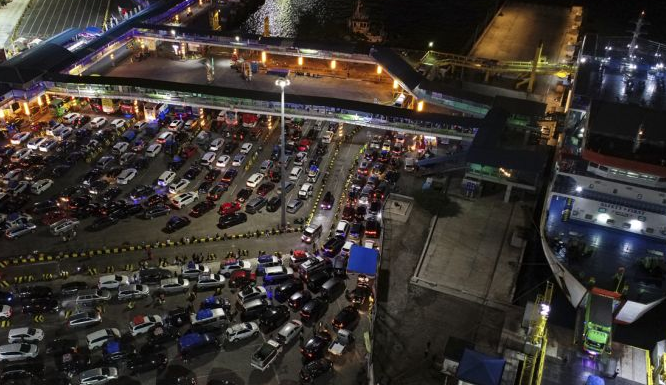
Head of the Macroeconomic and Finance Centre at the Institute for Development of Economics and Finance (Indef), M Rizal Taufikurahman, stated that the homecoming momentum continues to have a significant impact on regional economies through the redistribution of income from cities to villages.
“The flow of returnees brings money, Eid bonuses (THR), and consumption that directly stimulates micro, small, and medium enterprises (UMKM), retail, transportation, and the informal sector. The multiplier effect is strong because the circulation of spending occurs at the local level,” Rizal said when contacted on Saturday (21/3).
Nevertheless, Rizal emphasised that the impact of homecoming is seasonal and not structural. Although consumption, which contributes more than 50% of GDP, increases, the effect is only temporary and insufficient to drive growth without support from investment and exports. This also indicates the regional economy’s dependence on the Lebaran momentum.
“For the first quarter, Lebaran still provides a boost to household consumption, particularly from shopping and mobility. However, global pressures, especially geopolitical conflicts and rising energy prices, make the impact suboptimal. The combination of cost pressures and seasonal consumption holds back growth acceleration,” Rizal explained.
Thus, Rizal believes that the 2026 Eid al-Fitr homecoming momentum serves as a short-term support for consumption and maintains the circulation of the regional economy.
“However, its contribution to national growth remains limited, more as a buffer against domestic pressures than a fundamental driver of growth,” he stated.