
Analyst believes keeping fuel prices unchanged safeguards public purchasing power
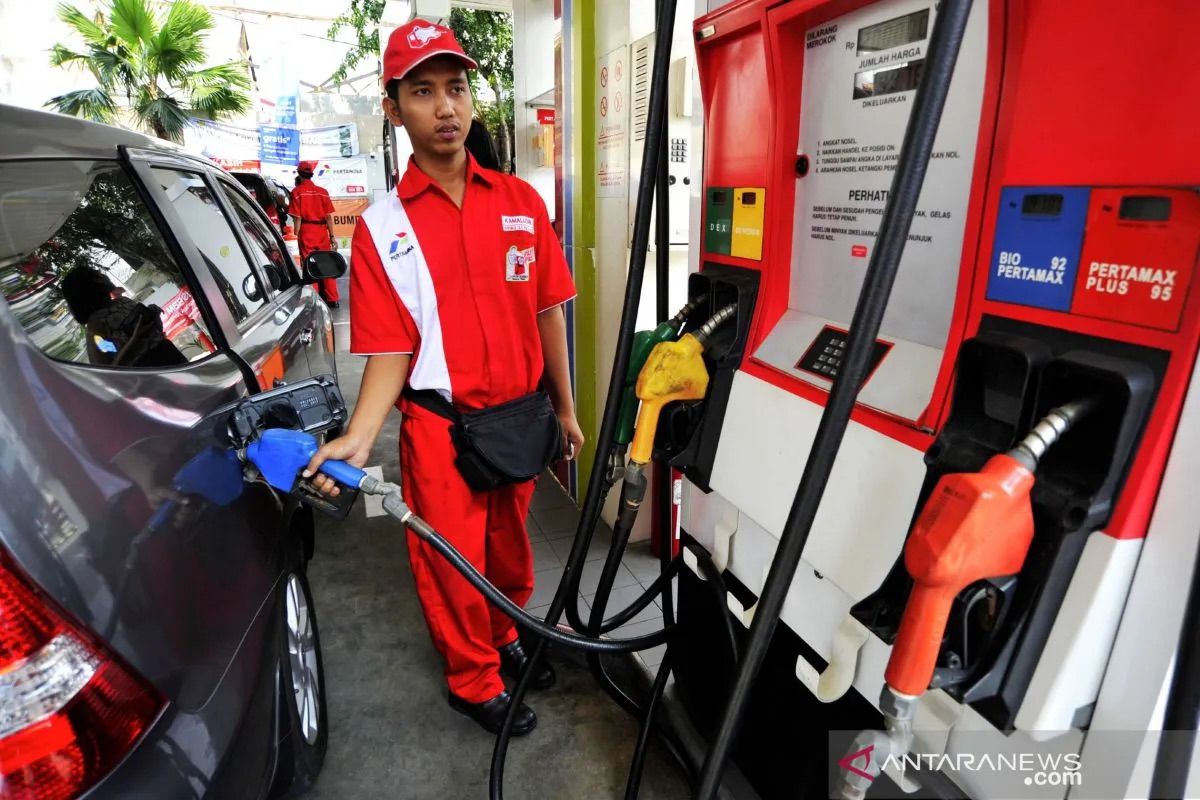
Jakarta (ANTARA) - Fahmy Radhi, an Energy Economics Analyst from Gadjah Mada University (UGM), views the government’s decision not to increase the price of fuel oil (BBM) as an appropriate step to maintain public purchasing power amid current global economic pressures.
According to Fahmy, the government has demonstrated caution in policymaking by considering broad impacts, making this decision a reflection of efforts to preserve economic stability while shielding the public from inflationary pressures.
“Indeed, the government faces a difficult choice. If prices are not raised, the burden on the state budget (APBN) is considerable, but if raised, it would trigger inflation, reduce public purchasing power, and so on. I believe not raising prices for either subsidised or non-subsidised BBM is the right decision in my view, and it deserves appreciation,” Fahmy stated when contacted by ANTARA in Jakarta on Tuesday.
He conveyed that the step of not increasing fuel oil (BBM) prices merits appreciation as it can dampen potential inflation rises and safeguard household consumption, which is one of the main pillars of national economic growth.
Fahmy explained that public purchasing power, particularly among the middle class, had already been under pressure beforehand, so this policy helps maintain economic balance and provides space for gradual public recovery.
The policy is seen to have positive effects by preserving price stability and creating a sense of security for the public in facing the still challenging and uncertain global economic dynamics.
“Because before this crisis occurred, the middle-class purchasing power had been continuously declining. If fuel price increases—both subsidised and non-subsidised—were added, their purchasing power would be further eroded, which poses a significant risk to the Indonesian economy,” he said.
Nevertheless, he assessed that this policy also opens opportunities for the government to strengthen fiscal management to keep it healthy, in line with the rising budgetary needs to maintain national energy subsidies.