
Analysis of Tentrem’s AKAP Electric Bus Structure Compared to Conventional Models
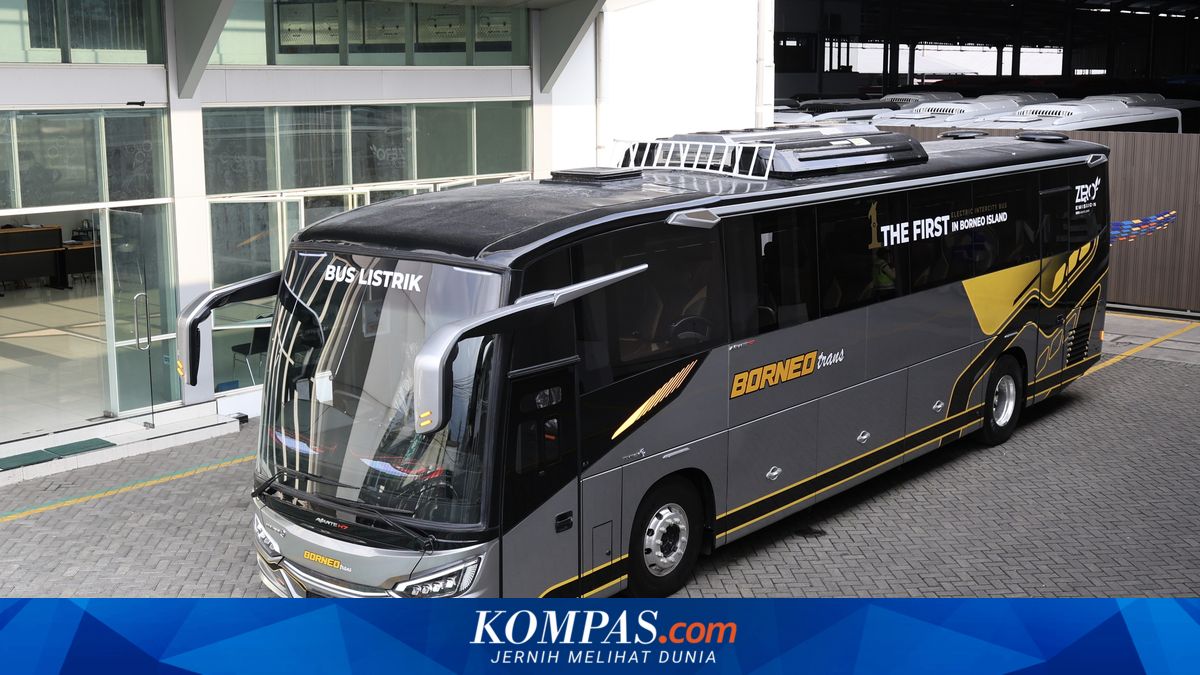
JAKARTA, KOMPAS.com — The introduction of pure electric buses for Inter-City Inter-Provincial (AKAP) routes has completely transformed the blueprint of local coachbuilders. Building electric buses isn’t just about replacing diesel engines with electric motors, but redesigning the mechanical structure and vehicle space allocation.
This radical change was directly experienced by Tentrem Coachbuilder during the assembly of the first AKAP electric bus for Borneo Trans Bus Company. Utilising the Avante H7 Single Glass body with an INVI chassis, the vehicle features distinct characteristics compared to conventional models.
Tentrem’s Managing Director, Yohan Wahyudi, explained how the weight distribution of the electric chassis affects ride comfort. “The difference between electric and conventional bus chassis lies in the configuration and placement of motor and battery components, which are relatively heavier than conventional engines. However, the increased weight lowers the centre of gravity, enhancing passenger comfort and reducing body roll, which improves safety,” he said.
Equipped with a 350 kW battery supplied by INVI, the premium 17-seater fleet can travel up to 300 kilometres. The rear cargo compartment is now fully occupied by essential EV components, rendering it unusable for luggage storage.
To compensate for the lost storage space, Tentrem reconfigured the structure by utilising the rear cabin area behind the bulkhead. The driver’s rest area (commonly known as ‘kandang macan’) has been repurposed into a toilet and internal luggage compartment.
Yohan elaborated on the unique storage layout: “We’ve created a luggage compartment at the rear bulkhead, above where the engine would be in a conventional bus. Given the limited number of passengers, the rear cabin space suffices for luggage,” he explained.
Beyond spatial adjustments, electric bus bodies require specialised materials to reduce overall weight and maintain battery efficiency. Yohan highlighted the use of aluminium panels and stainless steel frames to address weight challenges.
“Specialised materials like aluminium panels and stainless steel frames are used to tackle vehicle weight concerns,” he added. Additionally, the assembly process demands strict safety standards for high-voltage components. “The vehicle body is largely similar to conventional models, except for special welding treatments during assembly to prevent interference with the electrical systems,” Yohan noted.