
ANA and JAL Ticket Prices to Rise: Here's Why
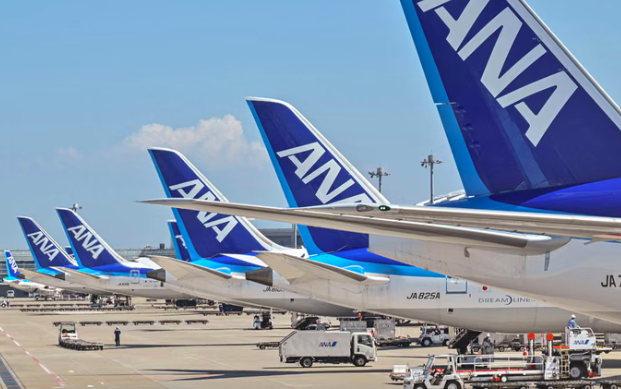
Two Japanese airlines—ANA and JAL—are expected to raise fuel surcharges on international flights starting in June amid a surge in prices due to the Middle East conflict, according to a source on Wednesday (1/4). This move is likely to affect summer holidays and raise concerns about travel demand. The fuel surcharge for flights to Europe and North America in June-July is planned to reach 55,000 yen (approximately Rp6.2 million) for ANA, an increase of 23,100 yen from April-May. JAL is expected to raise its surcharge by 21,000 yen to 50,000 yen, the source said. For routes to China and Taiwan, ANA’s surcharge is expected to rise by 4,900 yen to 14,300 yen, while JAL’s will increase by 5,000 yen to 12,400 yen. Surcharges to South Korea and Russia are likely to rise to 6,500 yen for ANA and 5,900 yen for JAL, the highest levels in the current system. Aviation fuel (avtur) is produced from crude oil refining. Its price in the Singapore market has more than doubled in March compared to before the late February conflict. Surcharges are calculated based on the average avtur price every two months. For example, the February-March price will affect fares in June-July. Although not applicable to domestic flights, JAL is considering implementing the system from spring 2027 to anticipate long-term oil price increases. ANA and Skymark Airlines are also considering similar steps, the source said. SAS cancels over 130 flights in Norway due to avtur price surge from tensions in the Strait of Hormuz. Unions highlight staff issues amid the energy crisis. Executive Director of ReforMiner Institute Komaidi Notonegoro revealed that avtur prices are not the main cause of high domestic flight ticket prices. Minister of Tourism and Creative Economy Sandiaga Salahuddin Uno stated that the government plans to lower avtur prices to press down flight ticket prices. Spokesperson for the Ministry of Transportation (Kemenhub) Adita Irawati said that high prices of Indonesian airline tickets are caused by high avtur prices as well. Indonesian avtur is now 100% produced domestically, thus saving quite a lot of costs.