
AMPHURI: Hajj 'war ticket' proposal requires in-depth study
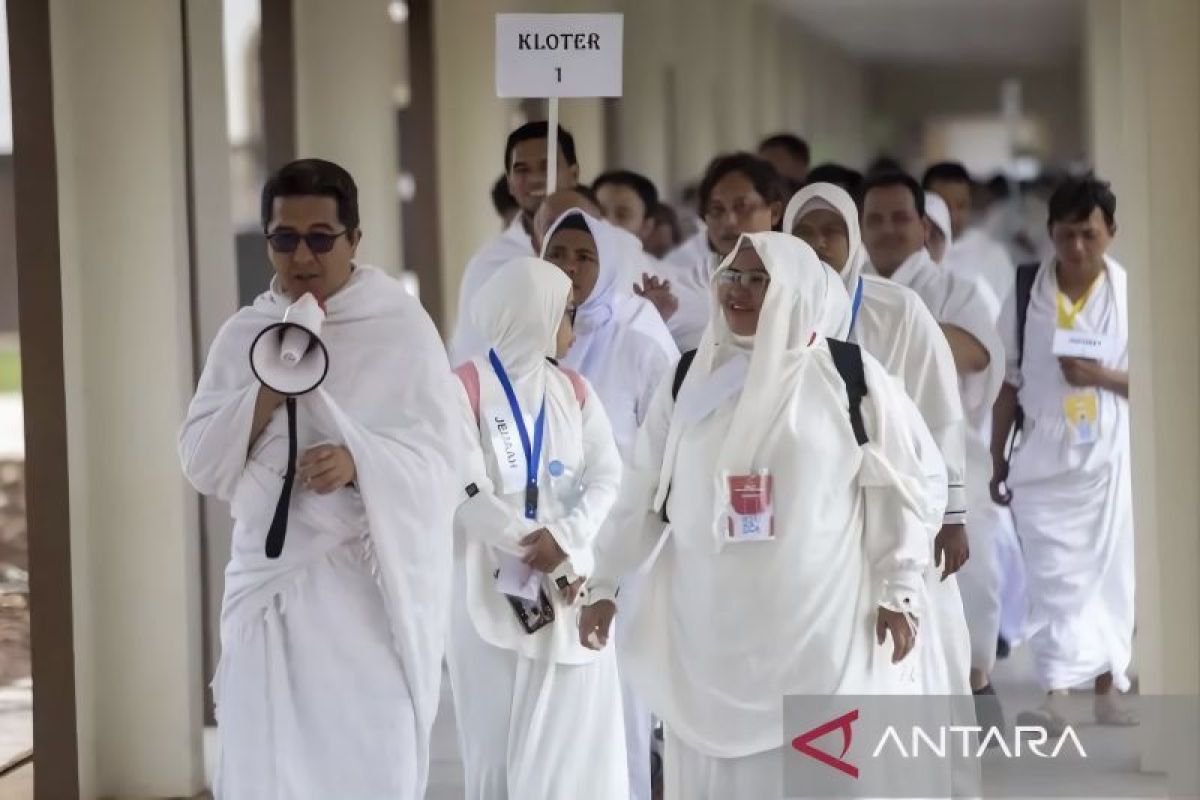
The Indonesian Hajj and Umrah Organisers Association (AMPHURI) views the proposal for implementing a ‘war ticket’ mechanism for Hajj as part of efforts to find solutions to the lengthy Hajj queues in Indonesia, but it requires comprehensive examination.
“In principle, we always support every effort and positive government programme. However, every public policy, especially those concerning worship and millions of people, needs to be studied in depth to remain aligned with the principles of justice, legal certainty, and the welfare of the ummah,” said AMPHURI Secretary General Zaky Zakaria in Jakarta on Monday.
Zaky stated that the idea of a Hajj ‘war ticket’ can be seen as a form of policy ijtihad in managing the complex Hajj system. Nevertheless, its implementation must refer to the mandate of Law No. 14 of 2025, which emphasises fair, orderly, and civilised services.
He explained that the concept of the Hajj ‘war ticket’ generally points to a mechanism where the government sets the programme and package prices, then eligible pilgrims can directly participate in a selection based on “first come, first served” or a competitive scheme. However, the technical details of the policy are still unclear.
According to him, long queues have existed since 2009–2013, and the initial deposit registration system has been in place since 1999. Meanwhile, the Hajj Financial Management Agency (BPKH) only became effective in 2017 based on Law No. 34 of 2014 on Hajj Financial Management.
“This means the queues are not caused by the BPKH, but by structural factors,” said Zaky.
He assessed that the root of the Hajj queue problem is structural, including limited quotas based on global policies, population growth of Muslims not matching the quotas, increasing interest in performing Hajj, and rising purchasing power of the community.
From a financial perspective, system changes will also impact the managed Hajj funds, which currently amount to around Rp170 trillion at the BPKH, so clarity on the mechanism is needed if the queues are eliminated.
As a solution, AMPHURI proposes several alternatives, such as utilising annual spare quotas as pilot projects, using additional quotas, and implementing a dual system between regular queue-based Hajj and non-queue programmes based on ability.
“The Hajj ‘war ticket’ proposal is an idea that deserves appreciation as part of efforts to find solutions. However, its implementation must be carried out carefully, data-based, with adjustments to the Hajj Law, and without ignoring the principles of justice and system sustainability,” he said.