
Amman Mineral Profit Share Plummets, NTB Receives Only US$ 3.3 Million
The realisation of Profit Sharing Funds (DBH) from the net profits of PT Amman Mineral Nusa Tenggara (AMNT) for the West Nusa Tenggara (NTB) Provincial Government has fallen far short of targets. The region received only tens of billions of rupiah, significantly lower than the initial estimate which reached hundreds of billions of rupiah.
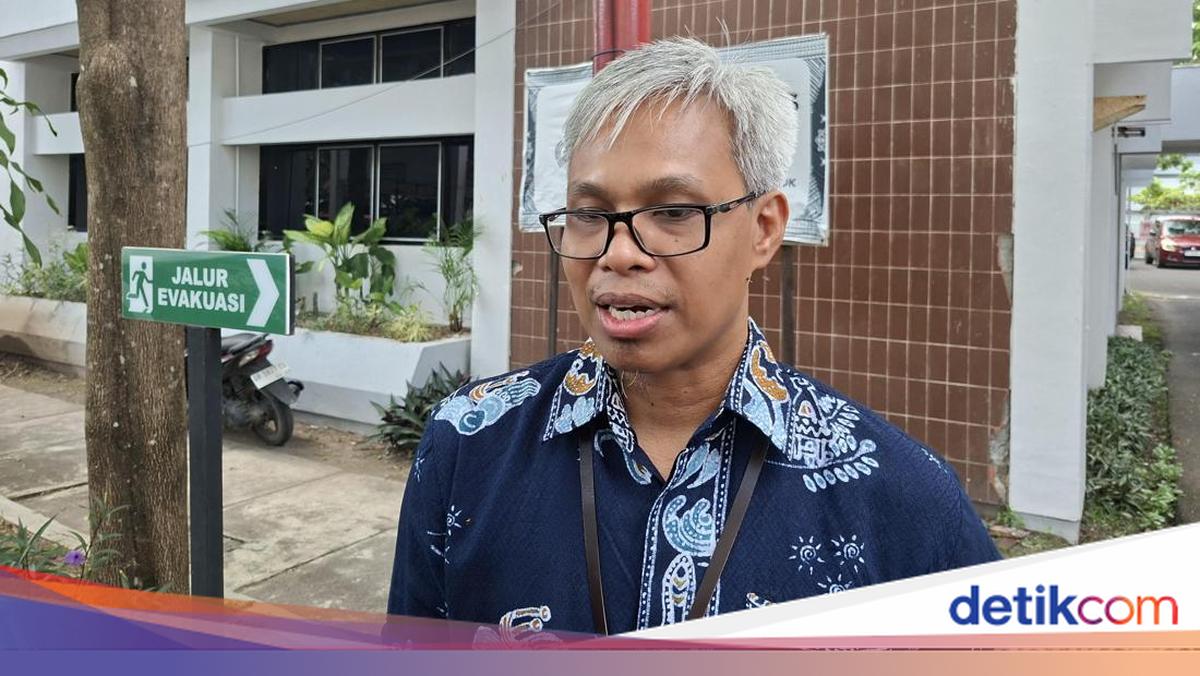
The Secretary of the NTB Regional Revenue Agency (Bapenda), Muhammad Zuhudy Kadran, revealed that the DBH received by the NTB Provincial Government from PT AMNT’s net profits amounted to only US$ 3.3 million. When converted to rupiah, the value is approximately Rp 59 billion, depending on the exchange rate at the time of disbursement.
“We (NTB Provincial Government) receive a 1.5 per cent share, which is about 3.3 million US dollars. This is the 2025 DBH to be claimed in 2026,” said Zuhudy on Thursday (4/6/2026).
Zuhudy admitted that the DBH proceeds from PT Amman this year have plummeted sharply compared to the expectation of reaching Rp 111 billion. This is despite the fact that the NTB Provincial Government had set a revenue target from PT AMNT’s DBH of over Rp 111 billion in the 2026 regional budget (APBD).
“We targeted over Rp 111 billion in the 2026 pure APBD, but only tens of billions have been realised,” he added.
According to him, the decline in DBH revenue from PT Amman was caused by a decrease in production performance and the export volume of concentrate from the mining company. In addition to mining operational factors, the drop in DBH was also triggered by new regulations based on the latest Circular Letter (SE) from the Ministry of Energy and Mineral Resources (ESDM).
Zuhudy explained that the Circular Letter regulates that the basis for calculating pure DBH is only taken from the net profits of companies holding Special Mining Business Licences (IUPK). Although in initial simulations, the NTB Provincial Government had included profits from several subsidiaries under the AMNT group flag, that plan failed following the reconciliation process.
“During the initial reconciliation, we calculated including the profits of subsidiaries. However, after reconciling with PT Amman, it turned out that subsidiary profits cannot be included in the profit-sharing funds. Consequently, the value decreased,” he explained.
Regarding the disbursement process, Bapenda NTB provides a 14-day deadline after the reconciliation process is completed. Since the claim uses US dollar denomination, the amount of rupiah entering the regional treasury will follow the exchange rate movements on the day of payment.
“Tomorrow we will send a letter to request the claim from PT Amman. Hopefully, it can be disbursed by next week,” said Zuhrydy.
On the other hand, Zuhudy noted that the contribution of the mining sector to NTB’s total Regional Original Income (PAD) is not as large as the public imagines. To date, the revenue structure of the NTB region remains dependent on the central government.
Transfer funds from the central government dominate at 54 per cent, while the remaining 46 per cent is supported by PAD.
“Mining only contributes about 2.5 per cent of the total PAD. Therefore, it is not as people assume that mining is the largest contributor to revenue in NTB,” he concluded.