
Amid the stigma of brawls, Manggarai Gen Z youths build a TPA and become active in the mosque
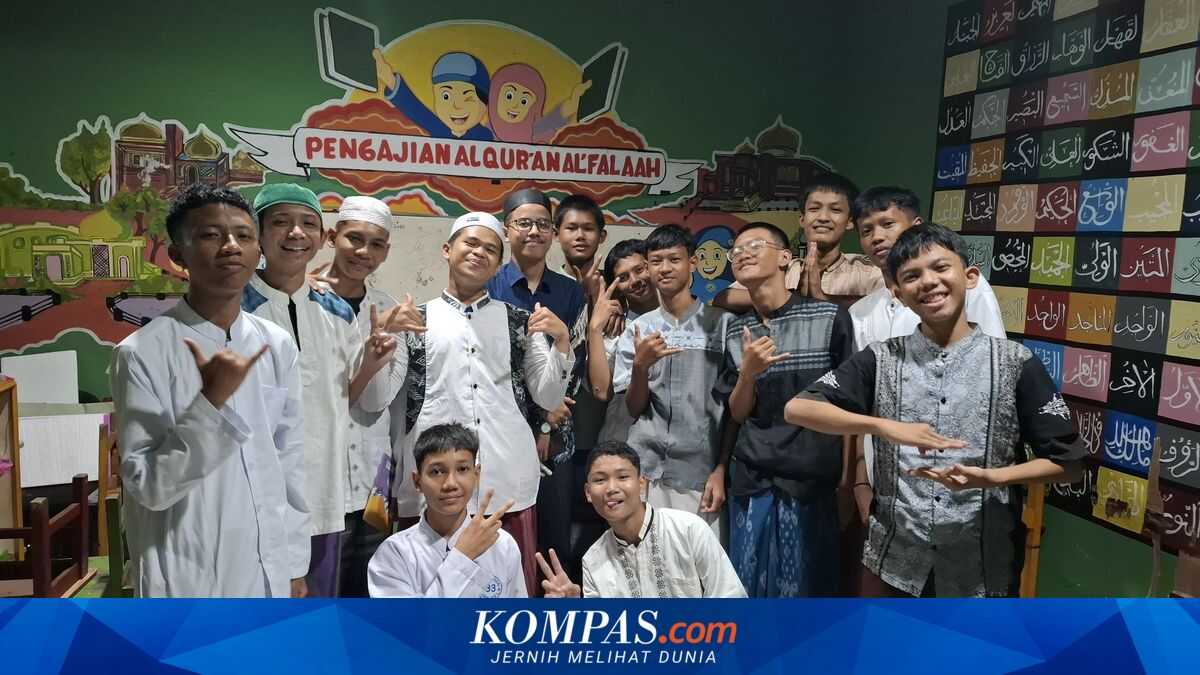
JAKARTA, KOMPAS.com — Amidst the stigma of brawls attached to the Manggarai area in South Jakarta, dozens of Gen Z youths choose a different path, devoting themselves to the mosque and building an educational space for local children.
The Manggarai area has long been known as a place prone to inter-warga or youth brawls. The clashes, which have been described as almost a culture, have gradually formed a negative stigma against the area.
Manggarai is often labelled as a fearsome area, with high crime rates, and a negative label for its residents.
“Sometimes when you meet someone, and you ask where they are from, when you say Manggarai, they immediately say ‘oh you often take part in brawls, do you?’”, said one Gen Z member named Eki Wiratama Putra (25) when interviewed at Al-Falaah Mosque, Manggarai, South Jakarta, on Tuesday 3 March 2026.
Removing the negative stigma is certainly not easy. To date, brawls still frequently occur in the Manggarai tunnel area, long known as a hotspot for clashes.
In the face of critical views of his neighbourhood, some Gen Z (born around 1997 to 2012)—now aged 14 to 29—have chosen to devote themselves to Al-Falaah Mosque.
They reside in RW 07, about 1.9 kilometres from the Manggarai Tunnel. About 30 youths are part of the Ikatan Remaja Masjid Al-Falaah (IRMA) and have been actively serving since 2016.
Not only do they recite the Quran or study religious knowledge regularly, but the Gen Z members of IRMA also actively organise various social and religious activities that benefit the local residents.
They organise observances of major Islamic occasions such as Maulid Nabi, Isra Mi’raj, Hijri New Year, Eid al-Adha, as well as activities throughout the Ramadan month.
After the Asr prayer, they move to visits to resident houses that have been scheduled to donate iftar parcels for breaking the fast at the mosque.
They often have to exert extra energy to transport various foods and drinks—from kolak in large pots to crates of mineral water to boxes of food—from residents’ homes to the mosque, which is a considerable distance away.
The sweat pouring and heavy breathing as they carry heavy loads do not deter them, even when fasting.
After all the iftar items are collected, the next task is to count and adjust the quantities to match the number of worshippers attending the breaking of the fast at the mosque.