
Americans Wary of Iran Conflict Amid Peace Efforts
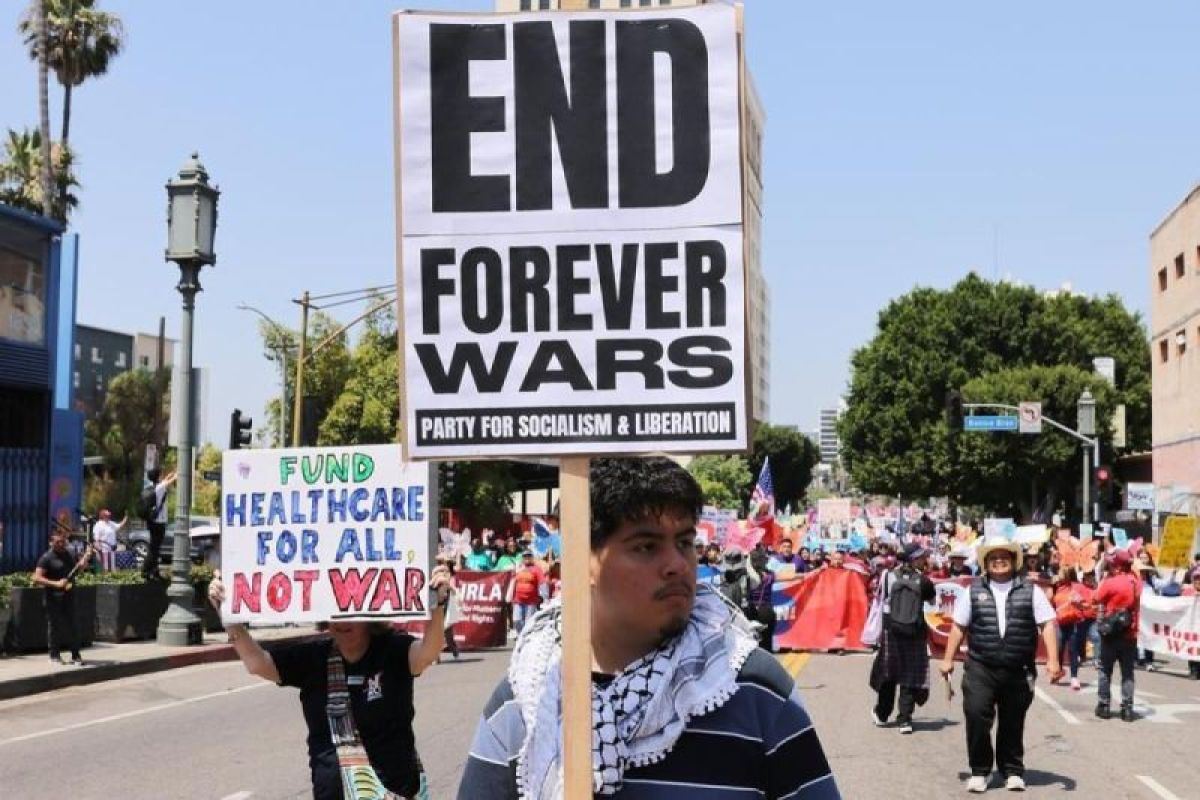
Public opinion in the United States is divided as the Trump administration signals progress towards a deal with Iran. According to the report, American public opinion is split between a desire to avoid further military involvement and concerns over concessions Washington might make to end the conflict. Recent polls and local political debates reveal many Americans are sceptical of expanding the war with Iran, yet view Tehran’s nuclear programme and regional influence as serious security threats. This public sentiment reflects a longstanding tension in US foreign policy, where voters back efforts to counter foreign threats but are far less enthusiastic about prolonged military operations. The report also notes ongoing talks via regional intermediaries despite new tensions, including US strikes condemned by Tehran as ceasefire violations. For the White House, the political challenges are immense. On one hand, President Donald Trump insists any deal must be robust and advantageous for the US. On the other, critics warn that a hasty resolution could grant Iran undue influence. US Secretary of State Marco Rubio also stated that Washington wants the Strait of Hormuz reopened and warned that it is prepared to ensure freedom of navigation by any means necessary. Recent polls cited in various summaries show Americans are generally reluctant to support large-scale military action against Iran but prioritise ending the conflict, protecting civilians, and curbing Iran’s nuclear capabilities. This leaves Washington navigating a narrow path: conducting diplomacy without appearing weak, containing Iran without escalating the conflict, and convincing sceptical citizens that any peace deal truly serves US interests. For most Americans, the key question is no longer whether Iran is a threat, but whether another protracted Middle Eastern conflict is a price they are willing to pay.