
Ambassador Reveals UAE Attacked by 2,850 Iranian Missiles Since February, 96% Intercepted
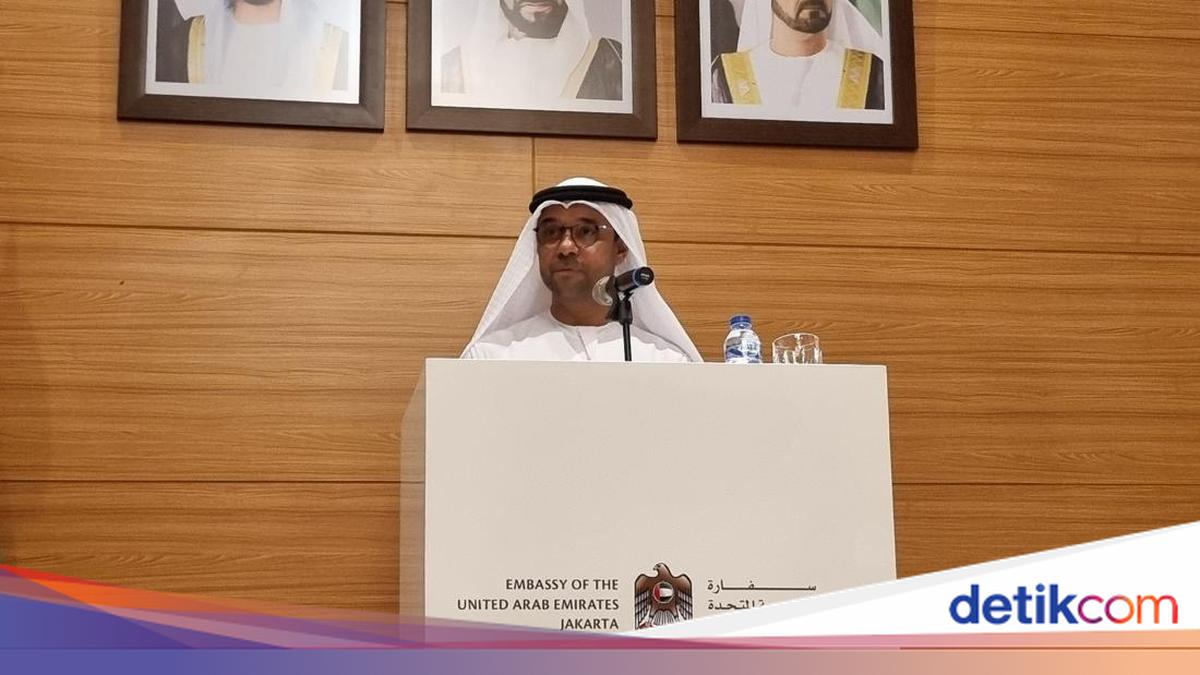
The Ambassador of the United Arab Emirates (UAE) to Indonesia, Abdulla Salem Al Dhaheri, revealed the war situation in the Middle East between the United States-Israel and Iran. He stated that his country has been bombarded with thousands of Iranian missiles and drones since February 2026.
Abdulla initially assured that his country remains safe amid the ongoing conflict in the Middle East. He noted that over the 40 days of attacks, or since 28 February 2026, the UAE has stayed secure.
“Throughout those 40 days, the UAE has remained very safe, resilient, and activities have proceeded as usual. We have more than 200 nationalities residing in the UAE, and most of them do not wish to leave, choosing to stay because they have witnessed firsthand how safe the United Arab Emirates is,” said Abdulla after meeting Deputy Chairman of the MPR Eddy Soeparno at the RI House of Representatives, Senayan, Jakarta, on Wednesday (15/4/2026).
He said the UAE has been targeted by around 2,000 missiles up to drones by Iran. Abdulla stated that to date, only 4 per cent of those attacks have penetrated the UAE’s defences.
“We have been targeted and struck by nearly 2,850 missiles and drones from Iran. As many as 96% of those attacks were successfully intercepted by our air defence systems. From this, I wish to express appreciation and praise for the capabilities and professionalism of the UAE Armed Forces, the leadership of the United Arab Emirates, and the wisdom they have demonstrated throughout this process,” he said.
He also stressed that his side did not start the war. Abdulla further affirmed that the UAE does not want war.
“As the UAE, we are not the party that initiated this aggression and we absolutely do not desire it, because before 28 February, the UAE and other GCC countries had worked hard with their partners to prevent such a war from occurring,” he explained.
“However, we could not avoid this. No country is truly immune from this situation, including from what Iran has done recently by blockading the Strait of Hormuz, which is considered the lifeline of global food and oil resilience,” Abdulla continued.
He detailed that 20 per cent of the oil produced in the Middle East region should meet 20% or more of the world’s total demand. Additionally, said Abdulla, 70 per cent of the fertiliser that should be produced and distributed through the Strait of Hormuz has also been disrupted.
“No country is immune from the impact of this, and what Iran has done not only threatens the regional economy but also the economy of the entire world,” Abdulla concluded.