
All About Malaria: Causes, Symptoms, and Prevention Methods
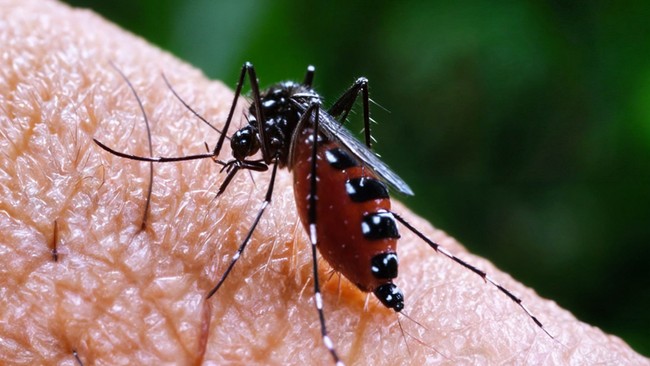
Malaria remains one of the infectious diseases that needs to be vigilant about in Indonesia, especially in eastern regions. This disease is not only dangerous but can also be prevented if the public understands its causes and transmission methods.
The Director of Infectious Diseases at the Indonesian Ministry of Health, dr. Prima Yosephine, explained that malaria is an infectious disease caused by a parasite called Plasmodium that attacks human red blood cells.
This parasite is transmitted from one person to another through the bite of a female Anopheles mosquito. When someone is infected, the initial symptoms that appear are usually high fever, chills, headaches, up to muscle pain and sweating.
“Malaria is transmitted through mosquitoes, so environmental factors are very influential,” said Prima during a media gathering commemorating World Malaria Day 2026 online, Thursday (30/4/2026).
Who is Most at Risk?
The group at high risk of contracting malaria are those who live or travel to endemic areas, such as regions with high malaria cases. In addition, the risk also increases for people living near puddles or environments that become mosquito breeding grounds.
Homes with open ventilation without protection, as well as outdoor activities at night, also become factors that increase the likelihood of infection.
Where Do Malaria Mosquitoes Come From?
dr. Prima explained that Anopheles mosquitoes usually breed in still or stagnant water, such as in rice fields, ditches, abandoned ponds, to puddles in the surrounding environment.
“These places become ideal locations for mosquito larvae to grow before becoming adult mosquitoes that can transmit malaria,” she said.
How to Prevent Malaria
dr. Prima emphasised that preventing malaria does not only rely on health workers but also the active role of the community. Simple steps that can be taken include:
Cleaning the environment from puddles
Ensuring water channels flow smoothly
Using mosquito nets when sleeping
Using anti-mosquito lotion or repellent
Installing mesh on house ventilation
In addition, the public can also spread larva-eating fish or plant mosquito-repelling plants like lemongrass and lavender. Although they seem simple, these steps are very important to break the chain of malaria transmission.
Nevertheless, malaria is not a disease to be taken lightly because it still risks causing death, especially if treatment is delayed or has entered the complication stage.
The government is targeting Indonesia to be malaria-free by 2030, but the success of this target greatly depends on public awareness in maintaining the environment and protecting themselves from mosquito bites.