
Algorithms at the heart of the city
Digitalisation is a journey, not an end goal. It must be continually tested, adjusted, and refined. Surabaya has shown bold steps by making technology part of the solution, not just a symbol of progress.
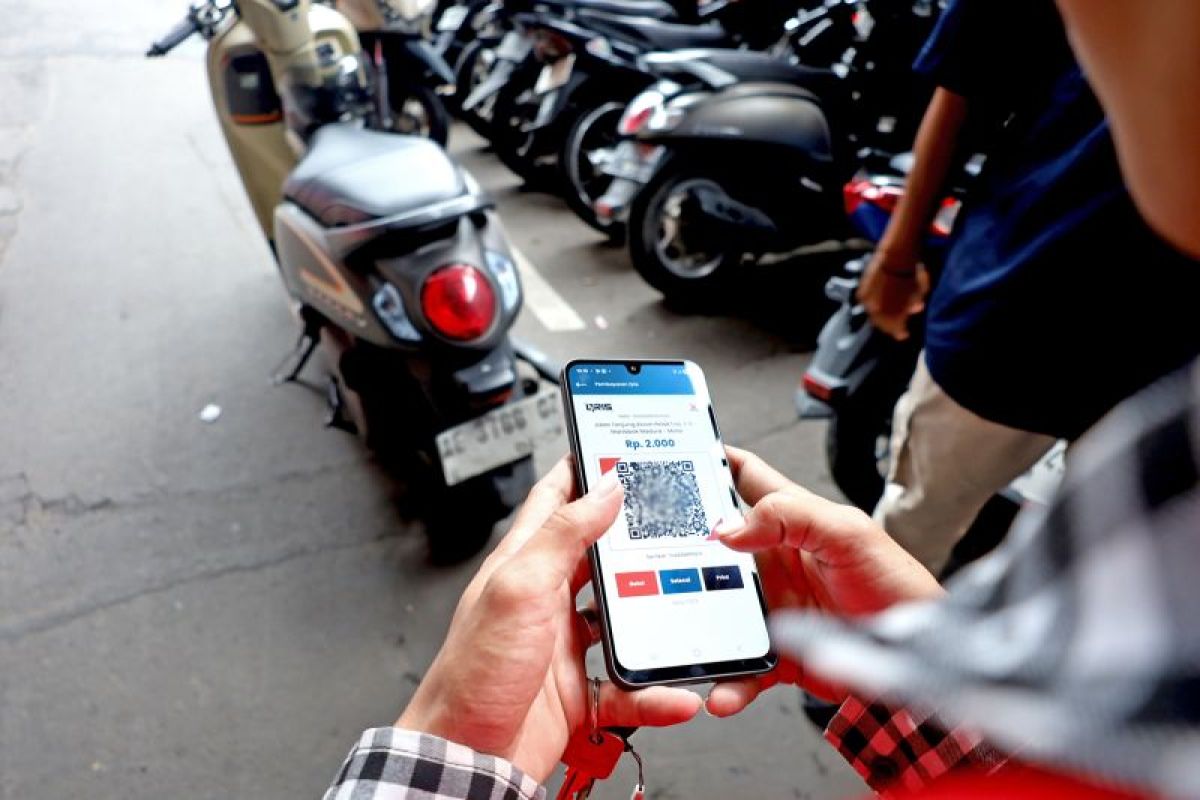
Surabaya (ANTARA) - On one afternoon along Jalan Darmo in Surabaya City, a motorcyclist pulled over, not to haggle over parking fees, but to open his phone. He scanned a code. Within seconds, the transaction was complete, and the payment proof was neatly stored. No change, no arguments.
In another corner of the city, a teacher ended her workday without being burdened by piles of manual reports. Meanwhile, a resident checked the status of her social data from home, without having to wait for officials to arrive.
These snippets of small stories depict the new face of Surabaya. A city that is slowly reorganising its operations through digital innovation. Not just following trends, but making digitalisation the backbone of public services and fiscal strategy.
The momentum of Regional Autonomy Day 2026 underscores that direction, with budget efficiency and digital innovation as two inseparable sides of the same coin.
This transformation is important to examine, not only because of its increasingly broad scale, but also because of its impact on the relationship between the state and citizens. This is where Surabaya is compelling to read as a living digital policy laboratory, with all its achievements and challenges.
Transparency
Digitalisation in Surabaya moves from one simple idea: building trust through transparency. In the context of a service city, trust is the primary capital. Without it, investment stalls, services are questioned, and public participation weakens.
Concrete steps are evident in the digitalisation of on-street parking. By April 2026, 711 parking attendants have been integrated into the non-cash system, up from 616 previously. The target continues to be pushed. This system not only changes the payment method but also breaks the chain of revenue leakage. Every transaction is recorded, directly linked to accounts, and can be audited.
Innovation does not stop there. The presence of parking vouchers with security features and digital codes shows efforts to bridge the transition period. The government does not abruptly force change but provides adaptive options for residents. Here, it is evident that digitalisation is not just about technology, but also about social change management.
The impact is starting to be felt in the increase of Local Own-Source Revenue (PAD). Digitalisation in the hotel and restaurant sector, for example, has contributed significantly to revenue growth. This confirms that transparency is not just a normative value, but also an economic strategy.