
Alert Status 1 and Middle East Geopolitical Tensions
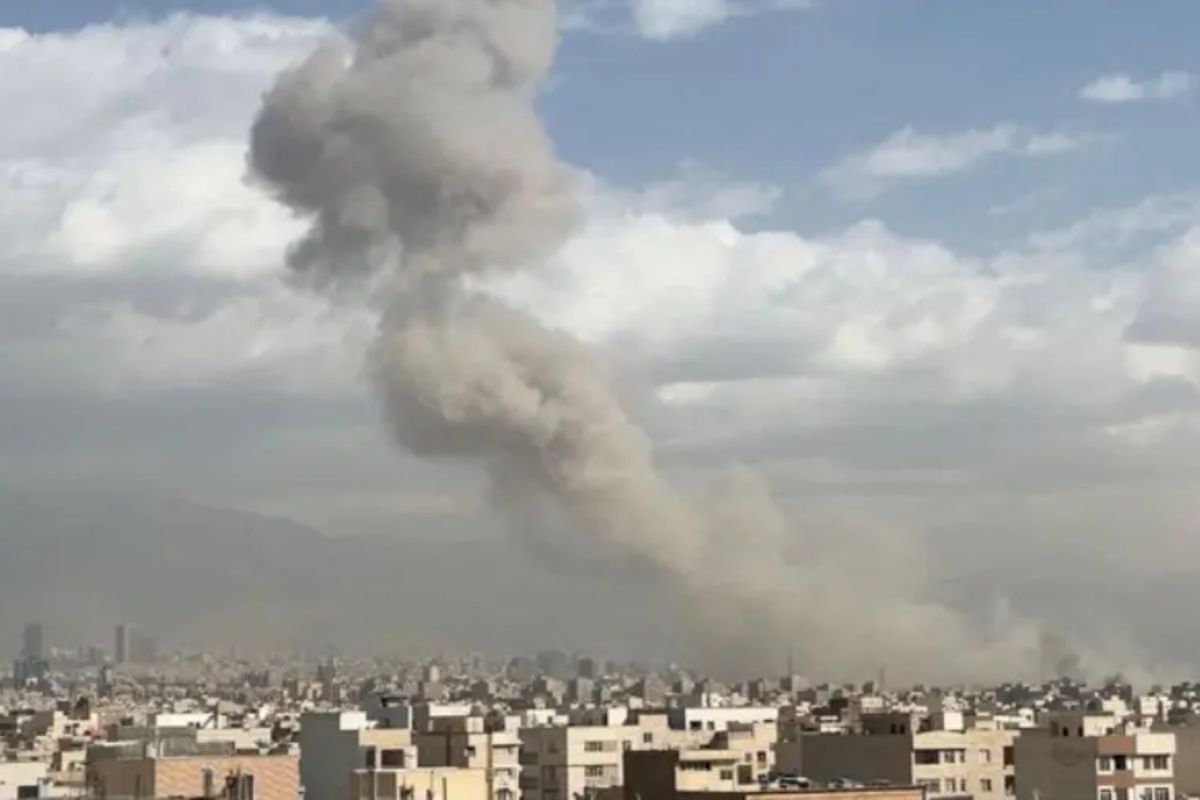
Jakarta (ANTARA) - The Alert Status 1 declared by TNI Commander General Agus Subiyanto recently can be understood as a response to the escalating conflict between Iran and the US-Israel coalition.
Of the seven orders issued by TNI Headquarters, at least two points are directly connected to the ongoing conflict in the Middle East.
To Kodam Jaya (Jakarta Military Command), specific orders were issued to intensify patrols at various strategic vital installations and foreign embassy zones within Jakarta. This directive ensures that diplomatic personnel from friendly nations posted in Jakarta and other major Indonesian cities can continue their work undisturbed.
Another key directive addresses the protection of Indonesian nationals in conflict zones, aligning with the statement from Foreign Ministry Spokesperson Yvonne Mewengkang, who announced that Indonesia’s participation in the Board of Patrons (BoP) mechanism has been temporarily suspended to prioritise the safety and evacuation plans of Indonesian citizens in the Middle East region.
Protection efforts extend beyond Iranian territory to include Indonesian nationals in other Middle Eastern countries.
Active and independent foreign policy
Diplomats must be able to work securely, particularly in Jakarta as the government capital and seat of major foreign embassies. Ensuring the safety of diplomats from conflicting nations, particularly the US and Iran, remains paramount.
Safeguarding diplomatic personnel serving in Indonesia reflects Indonesia’s image as a safe nation and demonstrates commitment to its active and independent foreign policy doctrine. As a BoP member and sovereign state within the broader international community, Indonesia has vested interests in securing its national interests.
Building on strong international relations, Indonesia can take strategic steps to strengthen its diplomatic position in supporting a Middle East peace solution in accordance with constitutional mandate. The Indonesian government can maintain and reinforce positive relations with all major powers involved, including China and Russia, whilst preserving its strategic position in exercising an independent and active foreign policy.
Redefining Indonesia’s national interests and foreign policy strategically is essential for ensuring Indonesia’s role on the international stage. Indonesia benefits from its non-aligned stance and commitment to remaining unaffiliated with any major power bloc. The constitutional mandate is clear: Indonesia must actively contribute to establishing world peace.
Indonesia possesses adequate space and compelling arguments to play a meaningful role in conflict resolution efforts, extending beyond mediation to encompass peace-building initiatives. During several goodwill visits to friendly nations, President Prabowo has emphasised that as a non-aligned state, Indonesia will not align with any particular bloc or faction.
According to President Prabowo, Indonesia will prioritise mutual respect for the existence, dignity and sovereignty of every nation, recognising that there is no single narrative applicable to all matters.
Complex challenges remain in navigating these geopolitical dynamics.