
Alert Issued as Parliament Warns of Potential Unrest from Global Oil Price Rises
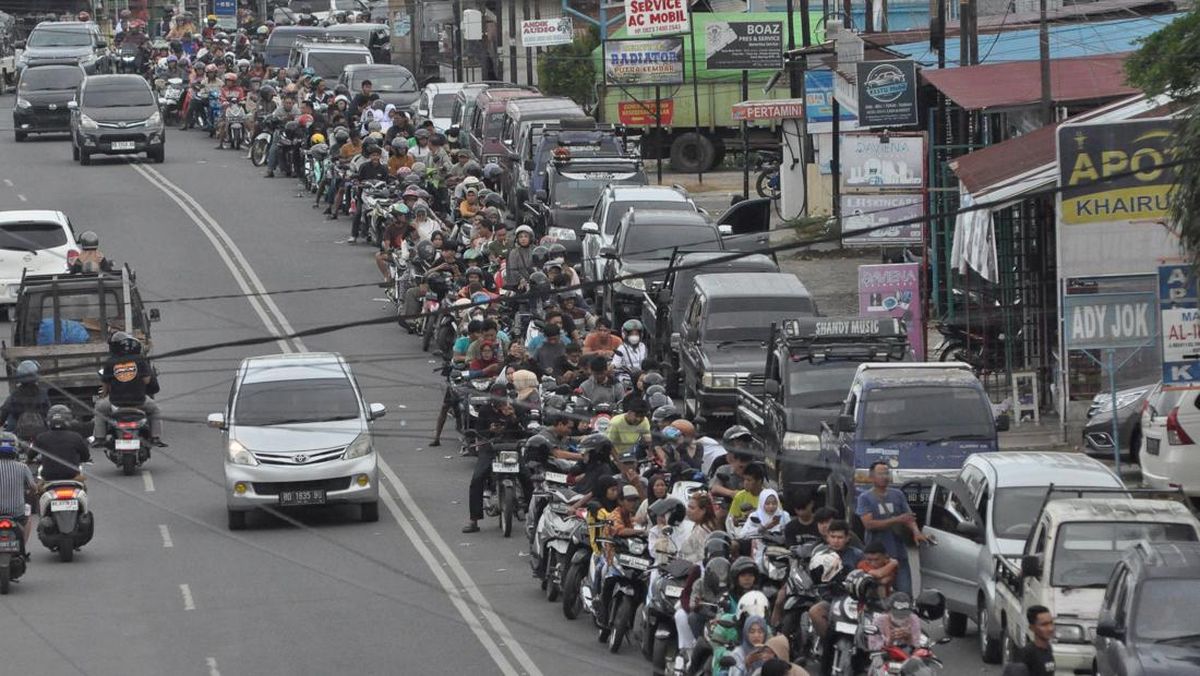
Dede Yusuf, Deputy Chairman of Parliament’s Commission II, has warned regional leaders to take anticipatory measures to address potential civil unrest during the 2026 Eid al-Fitr holiday period. This warning comes in response to a circular issued by Interior Minister Tito Karnavian instructing regional heads not to travel abroad between 14-28 March, the Eid holiday period.
Yusuf viewed the instruction as justified, framing it as an anticipatory response to ongoing conflicts in West Asia and the Gulf region. He noted that global oil prices have reached USD100 per barrel, with substantial domestic implications.
“When fuel prices rise, other prices will automatically adjust and follow. This is why regional leaders must anticipate various scenarios, including preparations for nine essential goods,” Yusuf stated on Tuesday (10 March).
Yusuf predicted that both national and regional budgets would require adjustment in response to these conditions. He attributed domestic conditions during the Eid period partly to escalating tensions between Iran and the US-Israel alliance.
“This is what we call a heightened alert status. I have heard reports from various sources about escalating tensions in the Middle East, which is driving up global oil prices and creating potential obstacles to our exports and imports,” he said.
Yusuf also highlighted concerns raised by Finance Minister Purbaya Yudhi Sadewa regarding the national budget deficit, which is approaching Rp100 trillion. This compounds challenges from declining exports and rising energy imports.
The Democratic Party politician therefore emphasised that efficiency measures must continue whilst regional governments communicate the situation to the public.
“Efficiency efforts must be maintained, and this is linked to public anxieties. This is the task of government at all levels—to explain the situation clearly to the public,” he said.
Rifqinizamy Karsayuda, Chairman of Parliament’s Commission II, stressed that Eid represents not only a religious occasion but also encompasses complex challenges spanning security, economic stability, and public services.
“The basic principle is that a regional leader must be present during Eid to exercise control over their region,” Karsayuda said.
The Interior Ministry’s prohibition on foreign travel by regional leaders was formalised through Circular No. 000.2.3/1171/SJ, dated 8 March 2026.
Tito explained that the policy was implemented to ensure regional governments remain focused on executing strategic agendas before and during the Eid holiday period. He instructed that any foreign travel or overseas visits already authorised for travel dates during this period should be cancelled or rescheduled.