
Alas Roban and the Memories of the Pantura Route That Are No Longer the Same
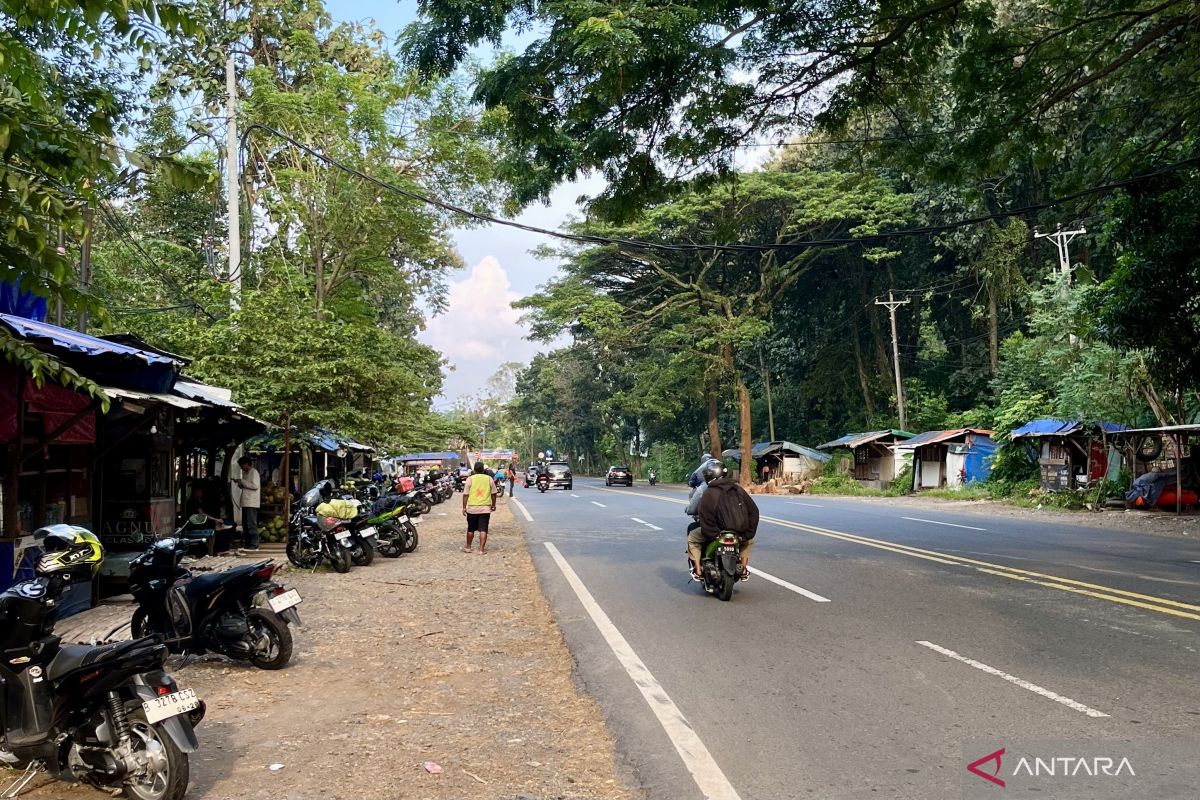
Winding roads that rise and fall, flanked by forested areas, make Alas Roban known as one of the most challenging stretches on the Pantura route. Yet it is precisely there that the travel experience feels most intense, as vehicles crawl slowly amid long queues, and roadside stalls become an inseparable part of the journey.
Before the Era of the Trans Java Toll Road
Before the Trans Java Toll Road began operating around 2018, this route was almost never truly quiet. Traffic flowing from Jakarta to Central Java and East Java streamed endlessly, especially during the Eid homecoming season.
From H-3 to H+3 during Eid, congestion became a common sight. Vehicles queued up long into the night. In such conditions, travel times were often unpredictable.
Amid these queues, the stalls along Alas Roban served as places to rest and spaces for interaction. Drivers would stop to eat, drink, or simply sit for a moment before continuing their journey.
For some people, the moment of stopping at a simple roadside stall in the forest, accompanied by the cool night air, became the most memorable part of the homecoming trip.
As well as being known as a main route, Alas Roban was long associated with an eerie reputation. The lack of lighting and the road’s passage through the forest led to various stories circulating among drivers.
These stories, whether true or not, helped shape the travel experience. Passing through Alas Roban at night was not just about distance, but also about courage and vigilance.
Now, that atmosphere is slowly changing. Since the toll road opened, most four-wheeled vehicles have shifted to the faster route. Alas Roban is no longer crowded with large vehicles as it once was.
The route, which was once alive almost around the clock, now feels quieter, especially outside the homecoming season. Stalls that were once bustling are gradually losing the crowds that once sustained them.
Still Traversed, But with a Different Story
Though not as busy as before, Alas Roban has not been completely abandoned.
For motorbike homecomers, this route remains the primary choice because it lacks toll road access. At several points, riders can still be seen stopping to rest before continuing their long journey.
In the area before entering Alas Roban from the west, several homecomers were seen stopping at roadside stalls. They sat relaxed, drinking or simply relieving fatigue after hours on the road. One homecomer, Heri, said he was travelling from Cibitung to Solo, taking more than 12 hours.
“From Cibitung to Solo. The journey can take more than 12 hours because I stopped along the way first,” he told ANTARA on Thursday (19/3).
Another homecomer, Andre, travelling from Bekasi to Sukoharjo, chose to use a motorbike for cost and flexibility reasons.
“If using a motorbike, the cost is cheaper and simpler,” he said.
He admitted that the journey did not always go according to plan. Congestion and road accidents remain risks faced.
“There was congestion in Karawang earlier, and there were a few accidents,” he said.
Amid these long journeys, the stalls along the Alas Roban route remain places to stop, though not as crowded as before.
Siti Aminah, a trader who has been selling since around 2011, has felt the change directly.
“Before the toll road, it was very busy. Now it’s dropped drastically since the toll road,” she said.
According to her, the biggest difference is in the types of vehicles passing through. Whereas in the past private cars, buses, and trucks often stopped, now the majority of those stopping are motorbike homecomers.
“Now it’s mostly motorbikers. Cars can easily take the toll road,” she said.
The impact is felt in the daily income, which is no longer certain.
“Now, at most Rp50,000 is there, but Rp100,000 is rare,” she said.
Nevertheless, she persists. Ahead of the homecoming season, she still increases her stock, though with more cautious calculations.
“At most, I increase by about 50 percent, but it’s not certain. If it’s busy, I buy more,” she said.
In addition to selling, she often helps homecomers who stop to rest.
“Some stop to rest, so I let them. They’re tired, after all,” she said.
Amid the changes, Alas Roban still holds remnants of its role as a travel route. No longer about the dense crowds of the past, but about journeys that continue, with different stories.
For some, crossing Alas Roban today might feel quicker and quieter. But for those who experienced the route’s bustle in the past, every bend and every roadside stall still holds memories of journeys that were once so vibrant.