
Alarming: Signs of Real Energy Crisis Everywhere Due to Arab Conflict
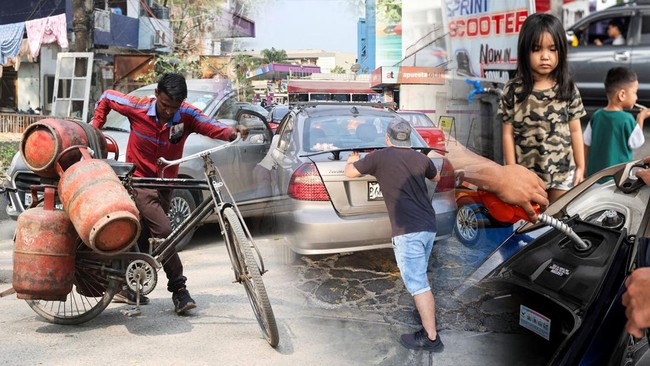
Conflict in the Middle East has triggered a global energy crisis following US and Israeli attacks on Iran. Following Ayatollah Ali Khamenei’s death, Tehran has closed the Strait of Hormuz. The closure of this strategic waterway threatens approximately 20% of global oil supplies and disrupts LNG distribution from Qatar and the United Arab Emirates, thereby threatening global energy supplies.
This action represents the first time Iran has taken such a step since its conflict with Israel began in 1979. The Strait of Hormuz is one of the world’s most strategically important shipping routes, serving as the passage for approximately one-fifth of global oil and gas supplies.
Liquefied Natural Gas (LNG) products transported by ship also use the Strait of Hormuz as a strategic transport route. Notably, approximately 20% of global LNG supplies from the UAE and Qatar passing through the Strait of Hormuz will be disrupted.
The energy crisis is already being felt across South-East Asia. Long queues are visible at fuel stations in Hanoi, Vietnam, reflecting the energy crisis beginning to impact South-East Asian nations, including Indonesia’s neighbouring regions. This follows Vietnam’s Ministry of Trade urging businesses to encourage employees to work from home in order to conserve fuel amid supply disruptions and price surges resulting from the US-Israel conflict with Iran.
Beyond Vietnam, panic over potential price increases is also evident in the Philippines. Residents have queued at petrol stations in Quezon City, Metro Manila, to refuel before price increases are implemented amid the US-Israel conflict with Iran.
The International Energy Agency (IEA) has proposed releasing the largest oil reserves to suppress price increases resulting from the US-Israel war with Iran. According to the Wall Street Journal, the figure is estimated to exceed 182 million barrels released in 2022 following Russia’s invasion of Ukraine. The proposal is being discussed in an emergency meeting of 32 member nations, with a decision expected to be announced shortly.