
AKPSI: Single-Door Export Policy Improves Palm Oil Trade Governance
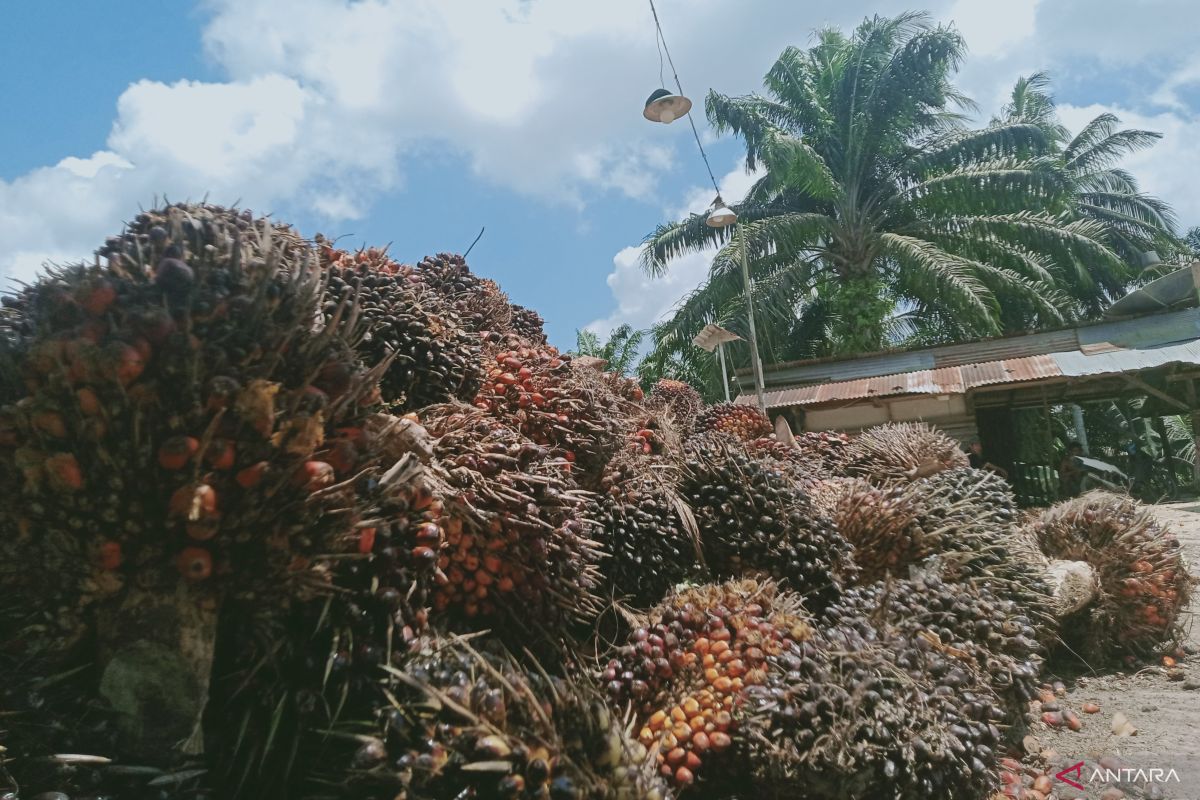
The Association of Indonesian Palm Oil Producing Districts (AKPSI) is optimistic that the single-door export system policy for natural resource commodities, particularly crude palm oil (CPO), will improve national palm oil trade governance. “The single-door export system could be an opportunity to improve national palm oil trade governance,” said AKPSI Chairman Mudyat Noor when asked about the central government policy’s implementation in Penajam Paser Utara Regency, East Kalimantan Province, on Sunday. The AKPSI Chairman, who is also the Regent of Penajam Paser Utara, expressed hope that the governance needing reform primarily concerns pricing issues, such as underpricing and transfer pricing between entities, which have long affected state and regional revenues. If the single-door export policy runs well, he continued, he estimates domestic palm oil prices will become more stable and uniform, benefiting oil palm smallholders, and can minimise underpricing and transfer pricing practices, ultimately leading to increased state revenue and impacting regional income growth. AKPSI, which now comprises 164 districts and cities, is also pushing for an increase in the palm oil revenue-sharing fund from eight per cent to a minimum of fifteen per cent for palm oil-producing regions in Indonesia. With the central government’s policy on single-door export governance through PT Danantara Sunberdaya Indonesia, Mudyat Noor said, the opportunity for increased central government revenue and additional regional income will be wide open.