
AJV urges government to curb VOC emissions at petrol stations
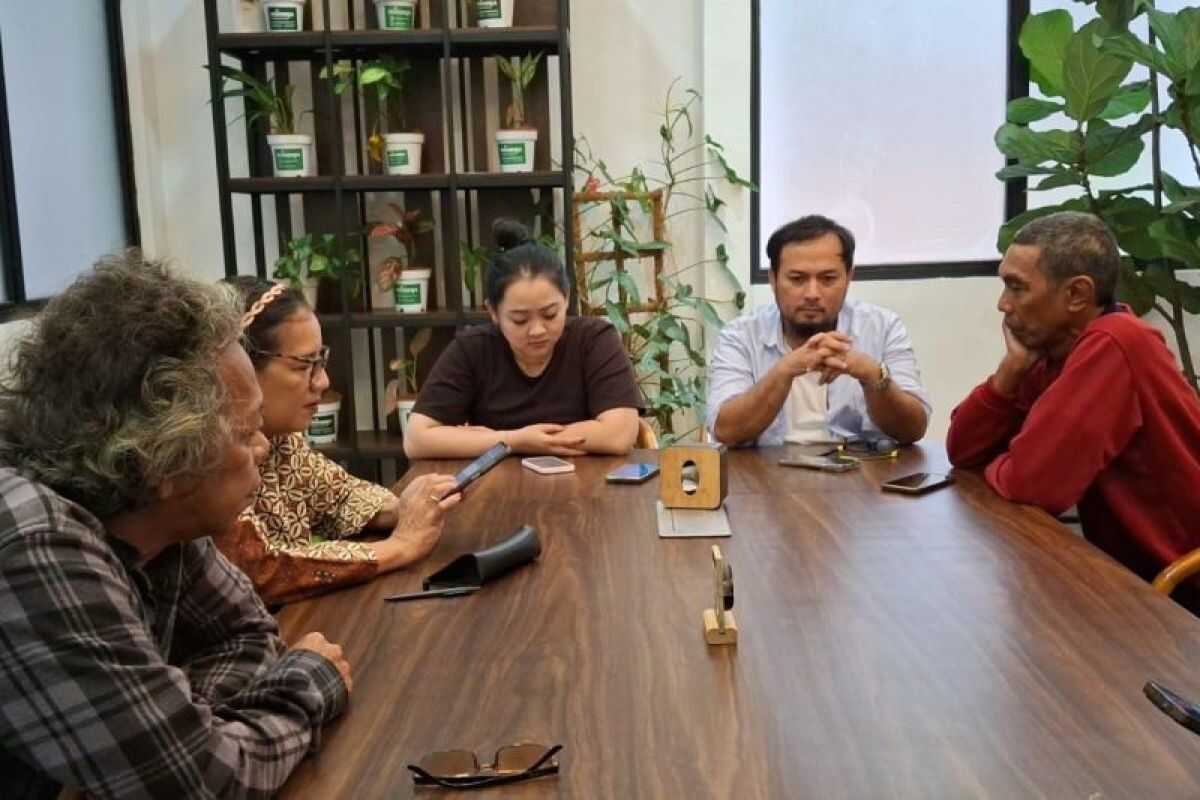
Surabaya (ANTARA) – The Environmental Health section of the Aliansi Jurnalis Video (AJV) is urging the government to promptly formulate a comprehensive policy on controlling emissions of volatile organic compounds (VOC) at petrol stations (SPBU). This includes establishing stringent threshold standards, periodic monitoring, and the obligation to use vapour capture technology for petrol. AJV’s Environmental Health chair Iskandar in Jakarta said on Thursday that the VOC vapour emitted from the operations of Indonesia’s Stasiun Pengisian Bahan Bakar Umum (SPBU) poses potential hazards. He stated that the public has typically understood SPBU pollution as resulting from tank leaks contaminating soil and water, but there is another invisible threat: air pollution from petrol vapour. “People know SPBU pollute the environment only when there is a tank leak. Yet the air impact is also significant, especially from VOC vapour,” Iskandar said. He explained that VOCs are volatile organic compounds that can have serious health impacts. In the short term, exposure to VOC can cause dizziness and nausea. In the long term, exposure for eight hours a day could trigger serious health problems such as leukaemia, liver damage, hormonal disorders and even fire risks due to their flammability. Iskandar noted that safe VOC threshold limits in several countries are around 500 parts per million (ppm). However, based on field observations he gathered, VOC levels at some SPBU in Jakarta can reach 5,000 to 10,000 ppm. “This is worrying, especially since there are around 12,000 SPBU in Indonesia, of which 7,000 are concentrated on Java. Workers are the most vulnerable group,” he said. In tandem, Vinnezya Priscillia, an active student at Cyber Asia University in the Ragunan area, revealed that there is as yet no specific regulation setting a clear VOC threshold at SPBU in Indonesia. “The acceptable threshold is around 500 ppm, but it could be much higher here. Some even say it could reach 10,000 ppm,” she said. Vinnezya, who had studied in China, compared the situation with her experiences abroad. “In China, I hardly smell petrol at SPBU. This indicates there is a good vapour control system. In Indonesia, in-depth VOC research is still limited,” she said. Furthermore, Iskandar assessed that VOC vapour tends to be more active during the day when temperatures rise, increasing exposure risks. Unfortunately, routine medical check-ups (MCU) at some companies do not specifically assess the health impact of VOC exposure on workers. He stressed that preventive measures must be taken promptly in line with the government’s sustainable development programme and the go-green movement. “There must be clear regulations and vapour-control technologies at each SPBU to minimise VOC impacts. This is not only an environmental issue but also a matter of workers’ safety and health,” he said.