
AJI Advises Focus on Strengthening Local Farmers Amid Plans for Territorial Development Battalion
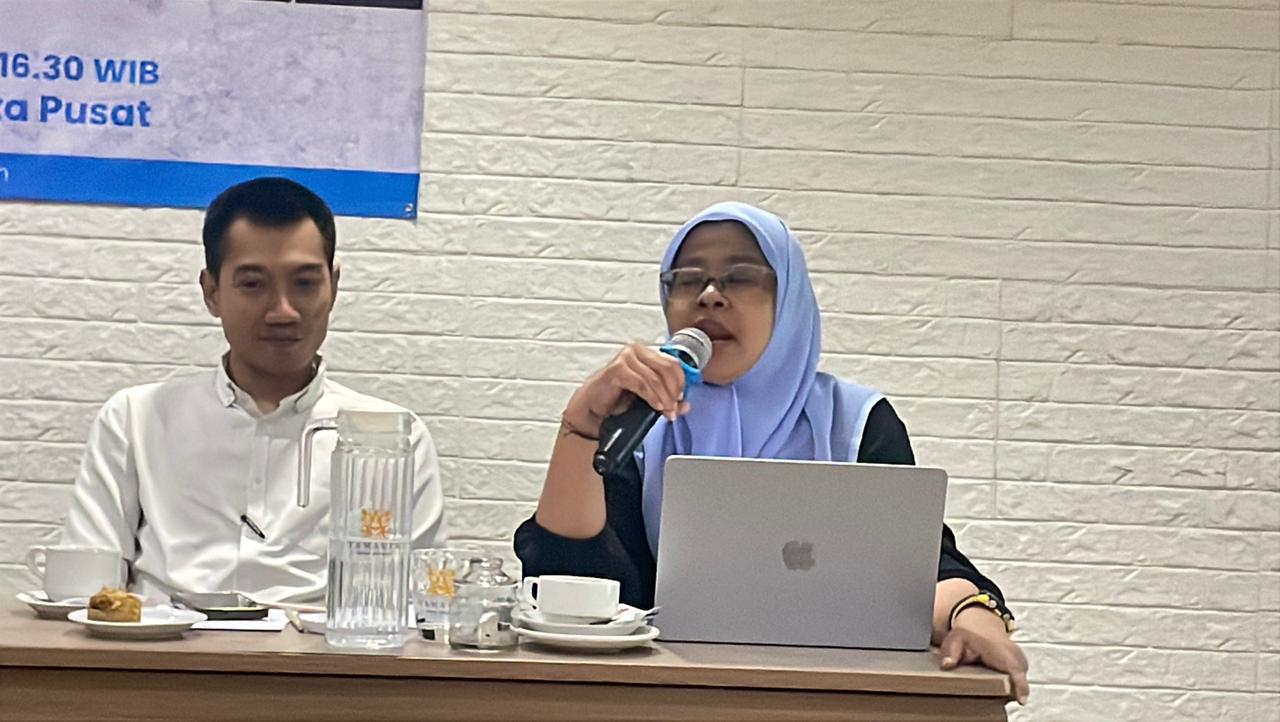
The Chairman of the Alliance of Independent Journalists (AJI) Indonesia, Nany Afrida, has highlighted the Ministry of Defence’s plan to form a Territorial Development Battalion (BTP). The policy of expanding the territorial role into domestic sectors such as agriculture, livestock farming, and regional development is considered to require careful assessment to remain aligned with the principles of information transparency and civil administration. She conveyed this during a public discussion entitled ‘Tempest of the Territorial Development Battalion: Citizen Rejection and the Defence Minister’s Policy Direction’ in Central Jakarta on Thursday (4/6/2026). Nany underscored the importance of prioritising a social welfare approach in tackling challenges in the domestic food sector, rather than relying on defence structures. ‘This country is an agrarian nation, so ideally strengthening measures should be focused directly on the capacity of local farmers in the regions, in order to sustainably address the challenges of the food sector and the regeneration of young farmers,’ Nany stated. From a press freedom perspective, Nany reminded that the presence of a new territorial unit in remote areas or regions with potential land-use disputes could affect the reporting climate. The defence secrecy doctrine inherent in security institutions is expected not to clash with the principle of transparency and the public’s right to obtain information. Nany noted that the presence of strict supervision in the field is feared to trigger excessive caution among both local communities and regional journalists, particularly when conducting in-depth reporting on spatial planning and natural resource utilisation. Meanwhile, Akbar Roohul Amin from the Advocacy Division of the National Board of the Indonesian Legal Aid Association (PBHI) stressed the importance of maintaining the consistency of the TNI’s placement as a state defence instrument in accordance with the constitutional mandate, as well as avoiding an overly broad interpretation of its functions into the civil domain. ‘There needs to be clear boundaries and corridors when a defence institution enters into development affairs, criminality, agriculture, and even livestock farming. This is crucial to ensure that accountability mechanisms and legal oversight remain balanced,’ Akbar explained. Fulfilling legal and human rights aspects in every public policy must prioritise meaningful public participation.