
Airlangga states that the digital economy can be strengthened through technological innovation
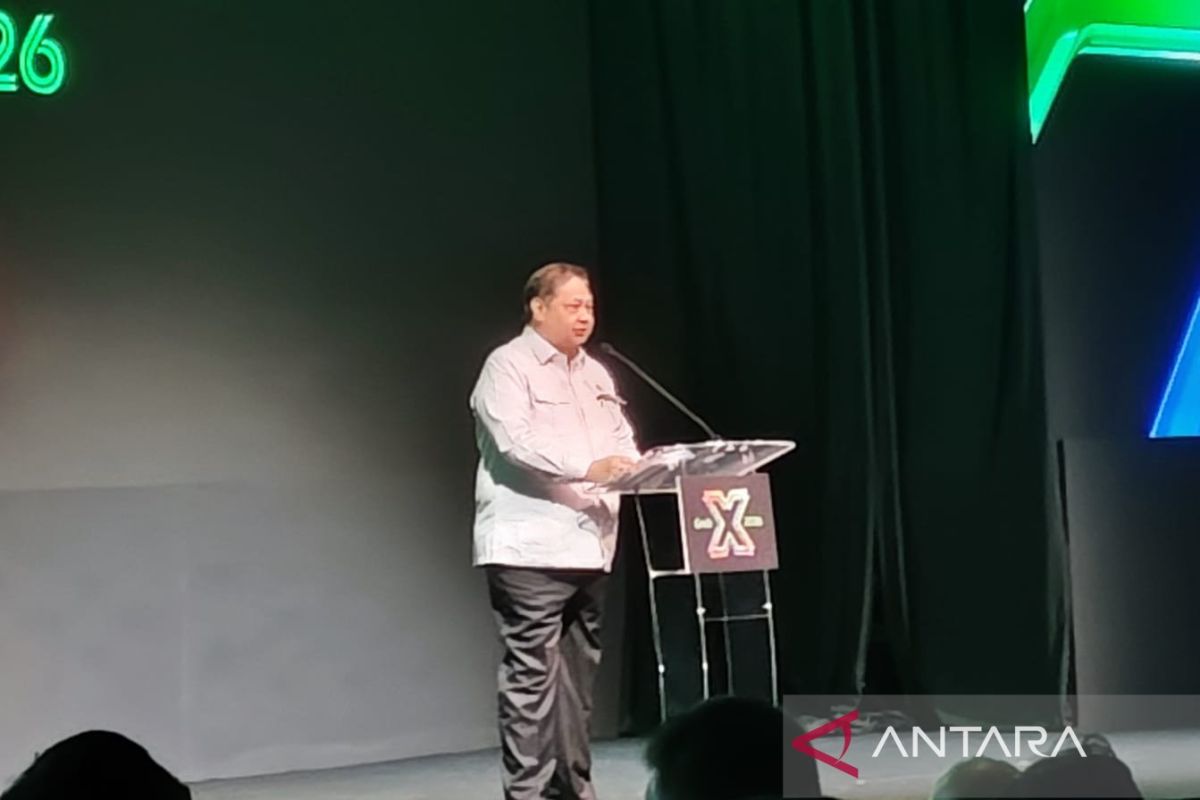
Jakarta (ANTARA) - Coordinating Minister for the Economy Airlangga Hartarto stated that Indonesia’s digital economy sector can be strengthened through technological innovation in the field of online transportation services. According to him, AI-based innovations in online transportation services can support driver partners, MSME actors, and consumers, while creating new and inclusive job opportunities. “The utilisation of AI technology to optimise the purchasing power of partners, especially small and medium-sized enterprises. In addition, the instant utilisation of data, from sales trends to customer summaries, will certainly help MSME actors in determining the types of products that need to be developed or supplied,” said Airlangga in Jakarta on Wednesday. In the fourth quarter of 2025, the national economy recorded annual growth of 5.39 per cent, positioning Indonesia as one of the countries with solid economic growth performance among G20 nations. Household consumption became the highest source of economic growth at 4.99 per cent and the largest contributor to the national Gross Domestic Product (GDP), reaching 53.63 per cent. “The government views digitalisation and AI as a new growth engine for Indonesia’s economy. Indonesia has a very promising digital economy value, with Indonesia’s digital economy value nearly reaching USD 100 billion,” said Airlangga. In 2025, Indonesia has around 3,200 startups, as well as seven global-scale unicorns operating in food and beverage, fintech, e-commerce, and transportation sectors. Although it offers great opportunities, the development and adoption of technology also drive shifts in workforce needs. The World Economic Forum report notes that around 22 per cent of job types are projected to undergo changes in the coming years. For this reason, Airlangga views the availability of adaptive and innovative digital talent as key to ensuring that digital transformation runs inclusively and sustainably. On a regional scale, Indonesia has also initiated the drafting of the ASEAN Digital Economy Framework Agreement (DEFA) as a foundation for strengthening the regional digital economy. “I hope that in 2026, under the Philippines’ leadership, this (ASEAN DEFA) can be signed. If it can be signed, the global digital economy opportunities will increase from 1 trillion dollars to 2 trillion dollars by 2030,” said Airlangga.