
Airlangga Pushes Strengthening of Tourism Sector as Engine of Economic Growth
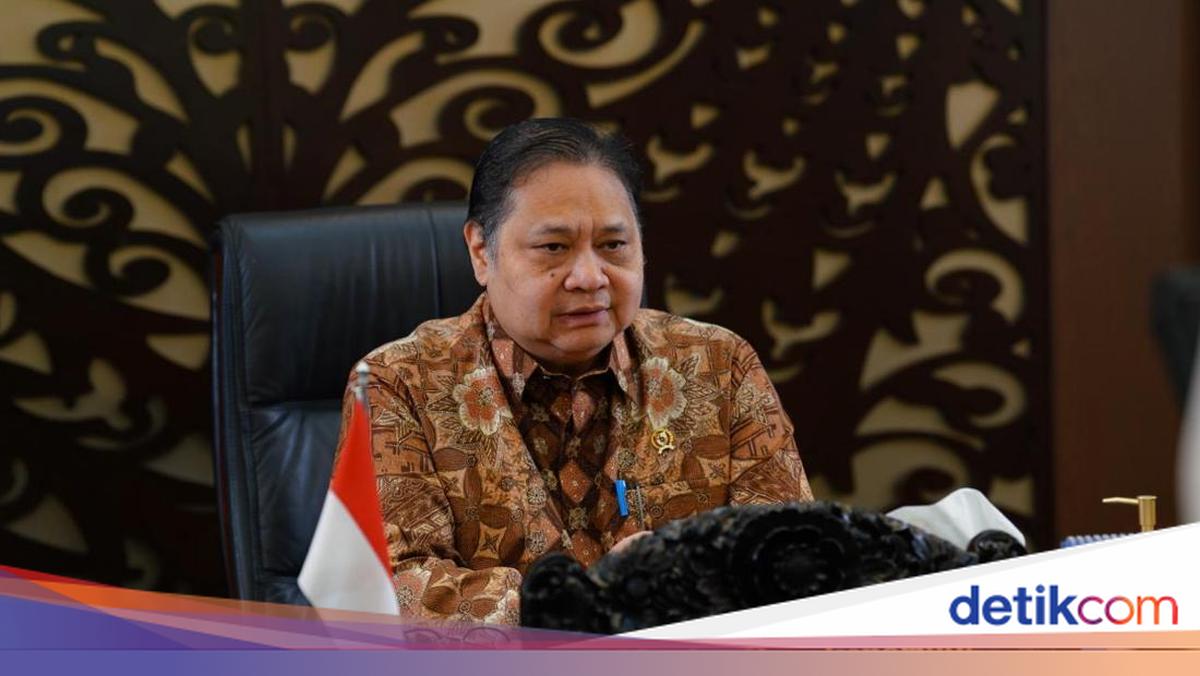
Coordinating Minister for Economic Affairs Airlangga Hartarto has urged the strengthening of the tourism sector as an engine of economic growth. This comes as the tourism sector contributed Rp945.7 trillion, equivalent to 3.97% of Indonesia’s total GDP in 2025.
This success has been driven by a surge in foreign tourist arrivals reaching 15.39 million visitors, representing 10.7% year-on-year growth. At a macro level, the sector has secured foreign exchange of USD18.91 billion and provided livelihoods for 25.91 million workers.
However, the tourism sector is now being tested by turbulence in the Middle East, which is disrupting global connectivity. The Ministry of Tourism has projected potential losses of 5,500 foreign tourists and potential foreign exchange losses of Rp184.8 billion per day if not properly mitigated.
The latest report from InJourney Airports for the period from late February to 10 March 2026 recorded disruptions on 9 international routes at Soekarno-Hatta Airport and Ngurah Rai Airport, affecting the mobilisation of 47,012 passengers. This challenge has become increasingly complex with rising aviation fuel prices.
“Therefore, Indonesia needs to urgently undertake reforms to mitigate losses from the global crisis and build a foundation for tourism and destinations that are competitive, resilient, and highly competitive on the international stage,” Airlangga stated in his remarks on Monday (16/3/2026).
This was conveyed by Airlangga remotely during a National Webinar with the theme Tourism Under Fire: The Impact of Escalating Global Conflict on Tourism, organised by the NHI Bandung Alumni Association on Monday (16/3).
On this occasion, Airlangga outlined several measures the Government could take to ensure Indonesian tourism does not fall behind other countries, including the expansion of Visa-Free Visit (BVK) policies. Based on research from the World Travel and Tourism Council, the implementation of visa-free visit policies in Indonesia for 169 countries since 2015 has driven tourist growth of up to 15% annually.
This has directly created 400,000 new jobs in the tourism sector. The Ministry of Tourism has also identified 20 potential countries as a rapid response measure to the current situation.
Indonesia also needs to strengthen the domestic market and leverage the Eid holiday period as a primary safety net by adopting the micro-tourism concept, which involves packaging destinations within short land travel radius to offer deep experiences. The Government has provided transport discount stimulus during the 2026 Eid period and a Work From Anywhere policy to support tourist movements to various regions.
Additionally, there is a need to negotiate new international routes, strengthen Indonesia’s branding as a safe and stable destination, and promote destinations for digital nomads to capture opportunities from the migration of professional digital talent to areas such as Jakarta, the Riau Islands, or the Bali Kura-Kura Special Economic Zone. These regions have potential to be offered as safe and high-technology work ecosystems.
“With current exchange rate fluctuations, this should be a hidden potential in attracting tourists because they can get more value from the money they exchange. Therefore, marketing that highlights Indonesia as a high-end destination with affordable prices needs to be emphasised,” said Airlangga.
Airlangga stressed that collaboration and synergy are essential in determining the resilience of the tourism ecosystem in the face of global dynamics. He viewed this situation as an opportunity to strengthen the structural foundation of national tourism development.
“I hope this forum can produce strategic ideas that impact Indonesia’s tourism sector. Let us ensure Indonesian tourism remains resilient, adaptable, and able to respond to various geopolitical upheavals,” concluded Airlangga.