
Airlangga: Indonesia Needs an Additional 150,000 Engineers for the Digital Industry
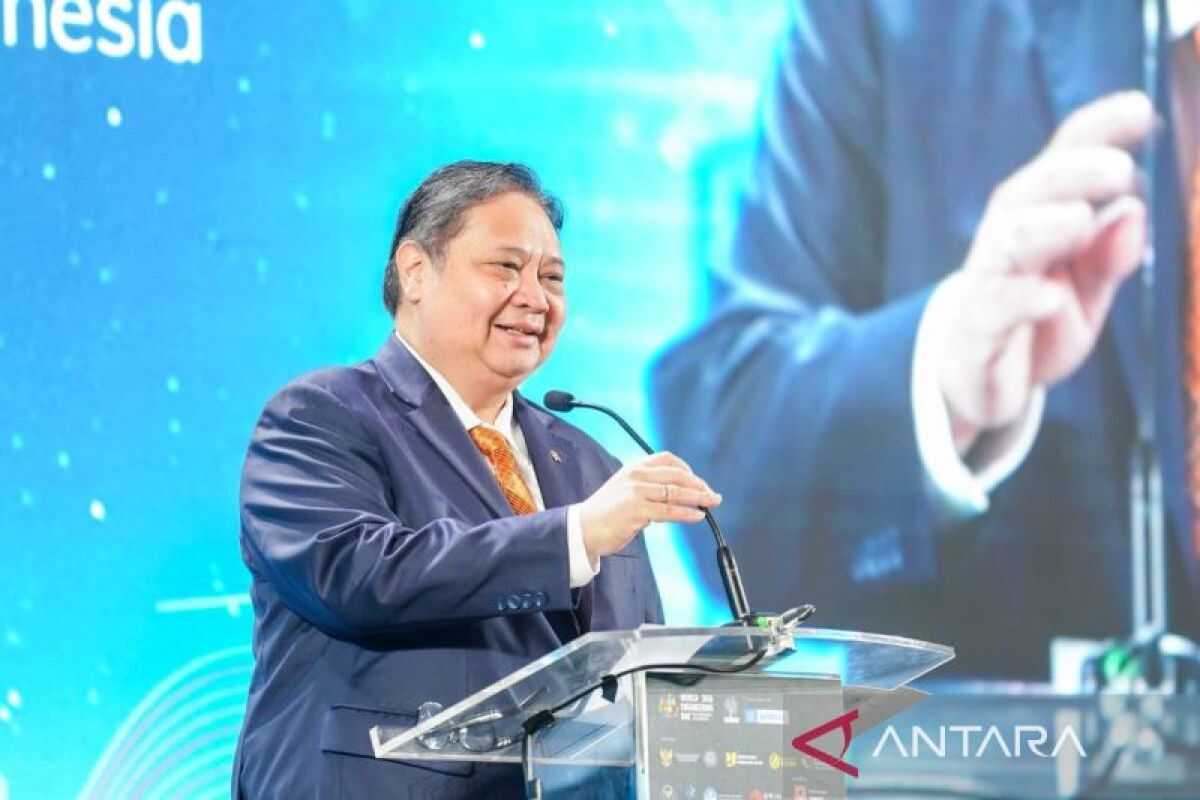
Coordinating Minister for Economic Affairs Airlangga Hartarto said Indonesia still requires an additional around 150,000 engineers over the next six years to support the development of the digital industry. The requirement has become more specific in several strategic sectors. For the semiconductor industry alone, Indonesia is estimated to need about 15,000 engineers. “We need an additional around 45 percent of the number of engineers currently employed. Then it is very specific that we need around 15,000 engineers for the semiconductor industry. And for the digital industry, we may need around 150,000 engineers within the next year up to six years ahead,” Airlangga said in a statement in Jakarta. The government, through the Ministry of Manpower, is also promoting vocational training programmes to support retraining and reskilling of the workforce. “Moreover, with the programme signed recently in London between Danantara and ARM Limited, training for 15,000 engineers for the ARM ecosystem is being prepared. So we are now more specifically targeting the engineer needs for industries backed by the Government,” Airlangga added. Separately, Indonesia is said to have shown readiness in artificial intelligence (AI) development. Indonesia became the first country in the ASEAN region to complete UNESCO AI Readiness Assessment. According to Airlangga, this achievement shows that Indonesia is not only a consumer of AI technology but is also beginning to prepare legal, ethical and social frameworks to support future technological innovation. Industries that have rapidly adopted AI are recorded as earning revenues up to three times higher than those that are slow to adapt, with productivity rising from 8.5 percent to 27 percent. Globally, AI is projected to contribute US$15.7 trillion to the world economy by 2030. Meanwhile, for Indonesia, generative AI is expected to add up to US$243.5 billion to the economy. “Indonesia is a very large potential market for the future and the world is investing in Indonesia. While Indonesia remains a leading AI market, we must also ensure that we are not only consumers of advanced technology but also creators and owners,” Airlangga said. He emphasised the importance of the role of engineers in supporting sustainable development. To achieve the Sustainable Development Goals (SDGs) by 2030, the world is estimated to require annual investments of around US$4-7 trillion, especially in technology-based and environmentally friendly sectors. According to Airlangga, digitalisation and sustainability are no longer separate; they have become integrated into modern economic development. Indonesia is currently one of the digital-based innovation hubs in the region. The value of Indonesia’s digital economy is projected to reach US$124 billion by 2025, the largest in ASEAN. In the same year, mobile connection penetration in Indonesia is expected to reach 116 percent, with around 230 million internet users and 180 million social media identities. The Minister added that Indonesia has also set development targets in the National Long-Term Development Plan (RPJPN) 2025-2045. By 2030, Indonesia aims to be among the top 45 in the Global Innovation Index. In addition, the 2024 Cyber Security Index shows Indonesia is in Tier 1 or a ‘role model’ category. “Our task as engineers and policymakers is to disseminate the successes from Tier 1 regions across the country, ensuring balanced digital growth. For engineers, we must go beyond ‘innovation for innovation’s sake’. Use AI and Big Data, for example, to address water scarcity, optimise energy networks, and build resilient cities,” Airlangga concluded.