
AI Memory Crisis: HP Admits 35 Per Cent of PC Production Costs Now Consumed by RAM
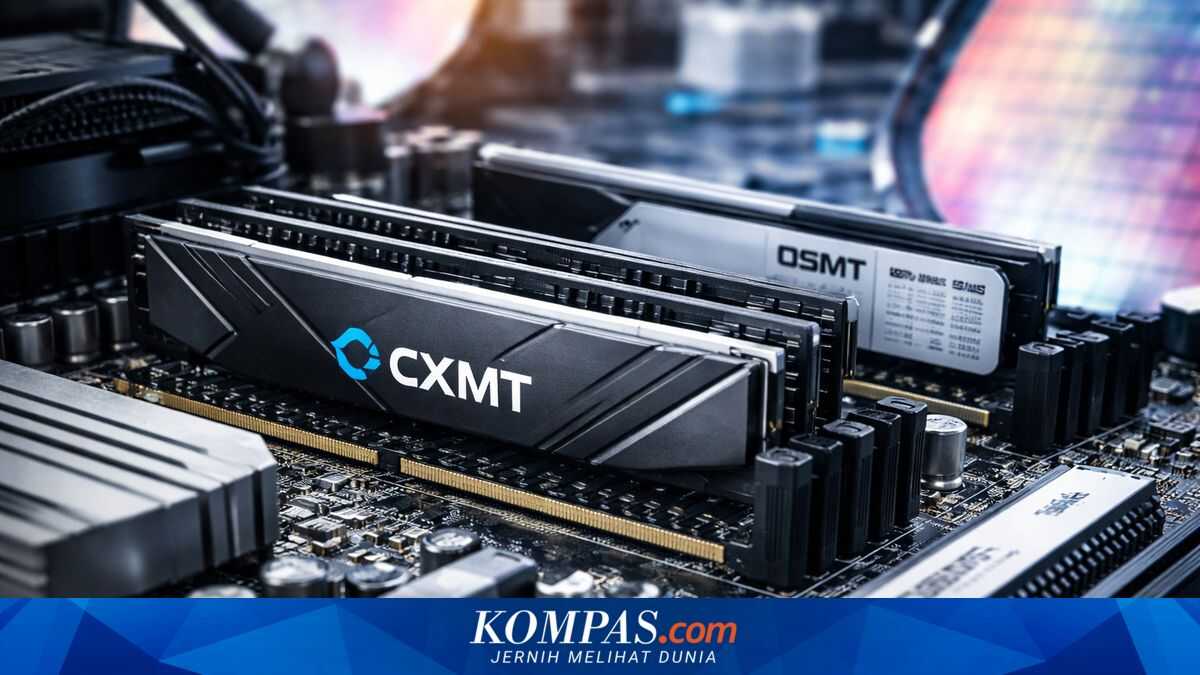
A global memory component supply crisis triggered by the explosive growth of artificial intelligence (AI) trends is beginning to impact the personal computer (PC) industry.
Major PC manufacturer HP has openly acknowledged that the procurement costs of RAM and storage have spiralled beyond control. In its latest report, HP revealed that memory components now consume approximately 35 per cent of the total manufacturing cost or Bill of Materials (BoM) of its PCs.
This 35 per cent figure confirms the supply chain crisis afflicting hardware vendors. HP’s Chief Financial Officer Karen Parkhill stated that the percentage of memory component costs nearly doubled in just one quarter.
“We shared data in the last quarter that memory and storage costs accounted for approximately 15 to 18 per cent of our PC BoM. Currently, we estimate that figure has surged to around 35 per cent for this year,” Parkhill said.
The company also projected that the total addressable market for its PC business line would decline by double digits in the calendar year. This is a direct consequence of soaring selling prices dampening customer demand.
The root cause of this shortage crisis is the massive build-out of global AI infrastructure. Major memory chip manufacturers are now prioritising production capacity for High-Bandwidth Memory (HBM), which is in high demand by AI data centres. As a result, supplies of standard memory chips—such as DDR4 or DDR5 RAM—for consumer retail devices have become scarce and neglected, leading to dramatic price increases.
Similar price adjustment measures are being undertaken by other PC vendors, including Lenovo, Dell, and modular laptop manufacturer Framework.
As a precaution, HP Interim Chief Executive Officer Bruce Broussard claimed the company had secured long-term supply contracts and was seeking new suppliers to safeguard its production lines.
Industry observers, meanwhile, predict that the crisis may force PC manufacturers to release laptops with smaller built-in RAM capacities to maintain more affordable pricing. Regrettably, the memory crisis is expected to continue shadowing the PC industry through 2027.