
AI Makes It Impossible for China to Produce Cheap Smartphones Again
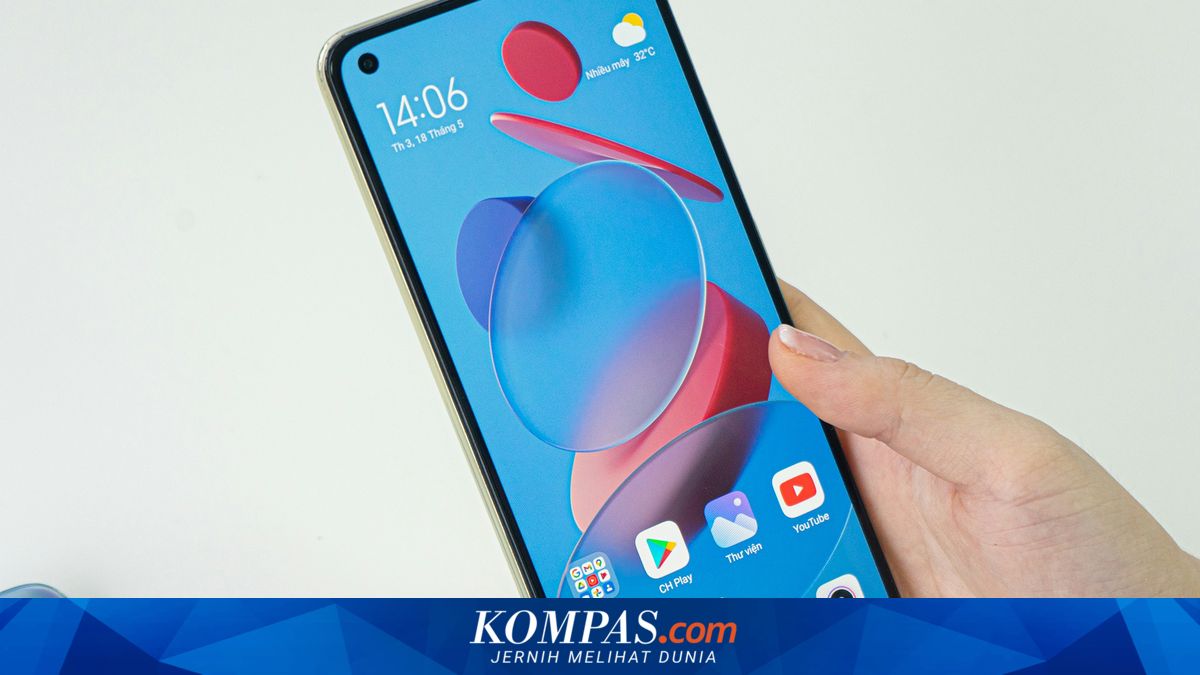
China is renowned as a producer of affordable smartphones. In the global market, cheap Chinese handsets have dominated for more than a decade. However, the glory of cheap Chinese smartphones is now coming to an end.
This situation is none other than caused by Artificial Intelligence (AI), which has made memory scarce, thereby increasing component prices. If this condition is left unchecked, it seems impossible for China to produce smartphones as cheaply as before.
Usually, prices are determined well before the device is introduced to the public.
One example is Xiaomi, which announced its latest series of phones at a price of 999 euros (approximately Rp 19.5 million) on stage at an event.
However, industry analysts estimate that the actual retail price could change when the phone is truly sold in the market. This situation occurs because the costs of main phone components, especially memory chips, are changing very rapidly.
One of the main causes of this change is the increasing demand for memory chips for AI data centres.
AI servers require a type of high-speed memory called high-bandwidth memory (HBM). This memory is typically used alongside AI GPUs such as those produced by Nvidia.
Because AI demand has surged sharply, global memory manufacturers like Samsung Electronics, SK Hynix, and Micron Technology have begun shifting much of their production capacity from conventional memory to memory for AI servers.
As a result, the supply of memory for consumer devices like smartphones and laptops has become more limited.
Research firm TrendForce estimates that DRAM prices (the main memory in phones and computers) will rise by around 90–95 per cent in one quarter. Meanwhile, NAND flash prices (internal storage memory) will increase by about 55–60 per cent in the same period.
Some industry reports even state that DRAM prices can change within hours, especially for small buyers without long-term supply contracts. The surge in AI demand has made the global memory market seem divided into two groups.
The first group consists of large companies with high purchasing power, such as cloud service providers and premium device manufacturers. Companies like Apple or Samsung have long-term supply contracts, so they can still get priority distribution of memory.
The second group comprises hundreds of thousands of small and medium-sized electronics companies that must compete for the remaining supply.
This condition puts increasing pressure on smartphone manufacturers with thin margins due to continuously rising component costs.