
AI Feared to Make Students Lazy; Education Minister Reactivates Handwriting Instruction
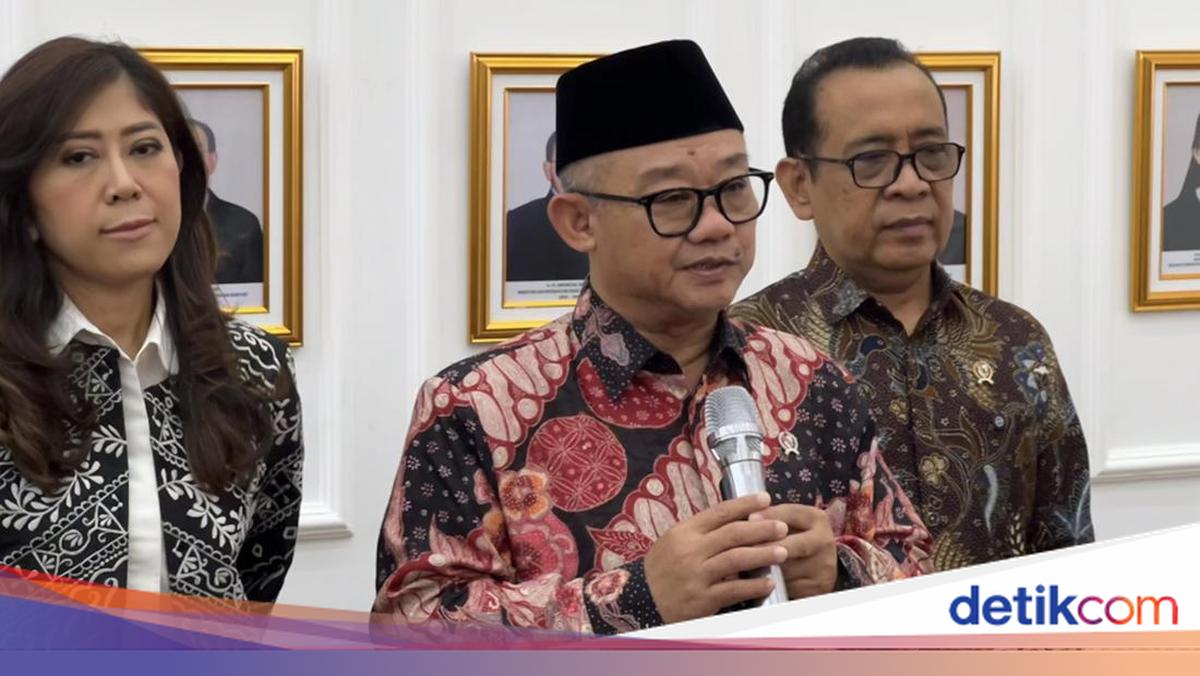
Indonesia’s Minister of Basic and Secondary Education (Mendikdasmen) Abdul Mu’ti has responded to concerns about the use of artificial intelligence (AI) that may result in intellectual laziness among students. Mu’ti stated that his ministry plans to reactivate handwriting activities.
“We are combining this (digital learning) with what you might call conventional or traditional learning models. For instance, we are now reactivating handwriting activities,” Mu’ti told reporters at the office of the Coordinating Ministry for Human Development and Culture in Central Jakarta on Thursday (12 March 2026).
Mu’ti provided examples of assignments that combine digital and traditional learning. One approach, he said, involves creating video or film summaries with handwriting.
“For instance, with an interactive flat panel (IFP), students can watch lessons on the IFP, watch films or perhaps video-based learning and other presentations, but then they create a summary with handwriting,” he said.
Mu’ti stated that handwriting will train students’ motor skills more effectively. He compared this to smartphone use in learning, which typically involves only two fingers.
“Writing is not only about expressing ideas in written form, but also training motor skills so students remain physically active. When using a mobile phone, only two fingers are used; the wrist doesn’t move much. With handwriting, everything is engaged,” he said.
Mu’ti expressed hope that combining modern learning technology with traditional teaching methods will help students develop authentic thinking. He also hopes students will be better able to express their ideas through this approach.
“We are now beginning to shift in that direction, combining the use of modern learning technology with traditional learning systems that emphasise children’s authentic abilities in thinking, expressing ideas and writing,” he said.