
AI Doesn't Just Replace Human Routine Tasks, This Research Reveals Something Big!
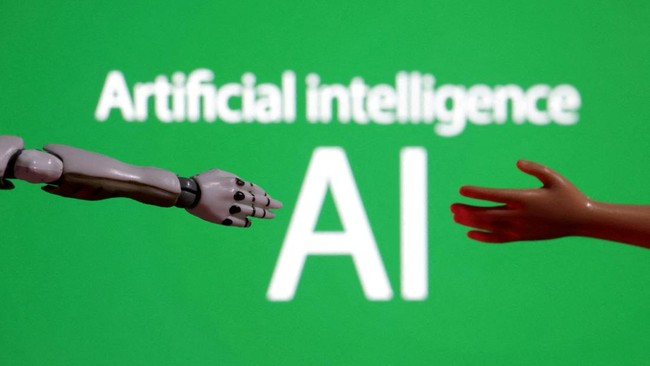
Jakarta, CNBC Indonesia - The ADB Institute (ADBI) has uncovered new evidence that the optimal utilisation of artificial intelligence (AI) can enhance human jobs and productivity. It could even lead to an increase in employment opportunities. ADBI writes in its quarterly report that current questions and concerns about AI have shifted from whether jobs will disappear to how jobs will change, what skills will be needed, and who will benefit. Additionally, the impact on the labour market is more complex than mere automation and job replacement, with various implications for the future of work. “Research shows that while AI can replace routine tasks, particularly in entry-level roles, AI also has strong potential to augment human jobs and increase productivity,” ADBI writes. “Evidence indicates an increase in employment rather than direct replacement in the short term, but the long-term transition will be disruptive without proactive policies,” it adds. ADBI states that companies implementing AI strategically, such as in cybersecurity or data analysis, often see increased output and employment. “Importantly, generative AI can act as an equaliser, significantly improving the performance of workers with low skills and little experience,” ADBI writes. However, readiness among Asian countries to adapt to artificial intelligence (AI) is uneven due to differences in digital infrastructure and education levels. ADBI sees a gap between countries with strong digital infrastructure and others in terms of readiness to leverage AI for business advancement. “ADBI reveals that across Asia, this dynamic is unfolding unevenly. Economies with robust digital infrastructure and high educational attainment, such as South Korea and Singapore, are better prepared to harness AI,” ADBI writes. Meanwhile, others face challenges stemming from digital divides, large informal labour markets, and skills mismatches, particularly in sectors like manufacturing and business process outsourcing that are vulnerable to automation. ADBI recommends that reskilling and upskilling programmes, adaptive AI governance, digital inclusion, and strong social safety nets are essential. “Ultimately, the future of work in Asia will depend on how effectively governments promote human-AI collaboration, ensuring that technological progress translates into inclusive and resilient growth rather than widening inequalities,” ADBI concludes.