
AI Begins to Displace Repetitive Jobs, These New Skills Are Increasingly Sought by Companies
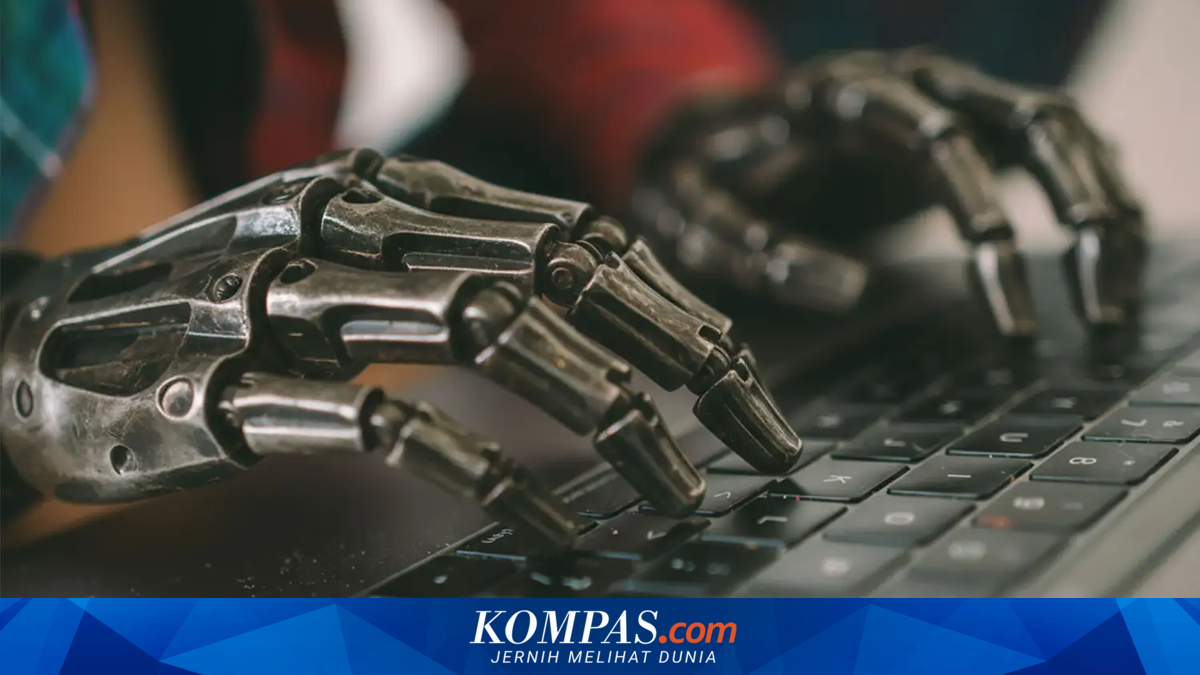
A study from Harvard Business School provides a clearer picture of how generative AI is transforming the labour market.
The research titled “Displacement or Complementarity? The Labor Market Impact of Generative AI” was authored by Professor Suraj Srinivasan alongside Wilbur Xinyuan Chen from the Hong Kong University of Science and Technology and Saleh Zakerinia from Ohio State University.
The research team analysed job vacancy data in the United States from 2019 to March 2025, covering nearly all available postings in the market, by categorising over 19,000 job tasks across more than 900 professions.
The results are quite surprising. Following the launch of ChatGPT in November 2022, job postings for positions involving a high volume of structured and repetitive tasks declined by 13 per cent.
Conversely, demand for jobs requiring analytical, technical, and creative abilities surged by 20 per cent.
The sharpest declines occurred in the finance and technology sectors. These findings indicate that generative AI does not merely eliminate jobs but also creates new demand for roles that can be enhanced by the technology.
Professions such as microbiologists, financial analysts, and clinical neuropsychologists fall into this category. In the finance field, for instance, investment managers and analysts now use AI-based tools to process and evaluate market data, but final assessments and decision-making remain in human hands.
On the other hand, for jobs vulnerable to automation, the number of skills required in job postings has shrunk by up to 7 per cent.
Meanwhile, for jobs with potential to be augmented by AI, there is emerging demand for new skills that companies previously did not seek much.
Based on the research findings, here are the skills increasingly needed by companies for jobs that can be enhanced by AI:
[Note: The original article lists specific skills here, but they were not detailed in the provided text beyond the context.]
Facing this change, Professor Srinivasan recommends two main steps for companies.
First, invest in retraining programmes for employees in positions vulnerable to replacement, particularly to develop skills that cannot be automated, such as situational judgement and interpersonal communication.
Second, promote continuous enhancement of AI capabilities for employees in positions that can be augmented by this technology.
Srinivasan emphasises that companies should view generative AI as a tool to strengthen human abilities, not merely as a cost-cutting instrument.
He also reminds that this research focuses on short-term impacts in the US labour market, so long-term effects and those in other regions remain uncertain.