
AI-Based Traffic Lights in Jakarta Can Predict Traffic Volume 60 Minutes in Advance
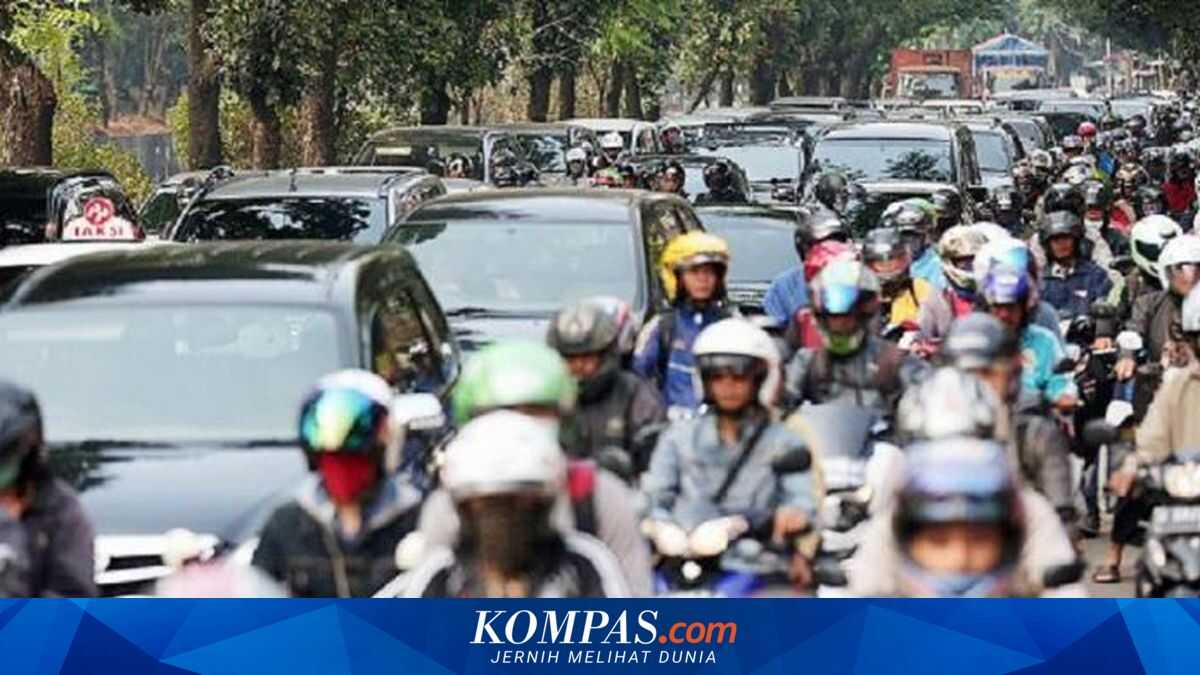
JAKARTA, KOMPAS.com - The Jakarta provincial government is now utilising artificial intelligence (AI) technology to manage traffic in the capital city.
One of the latest innovations is the implementation of the Intelligent Traffic Control System (ITCS), which is capable of predicting traffic volume up to 60 minutes in advance.
The Deputy Head of the Jakarta Transportation Department, Ujang Harmawan, explained that this system works in a hybrid manner, combining real-time adaptive traffic light timing and traffic flow prediction based on historical data.
“This system works in a hybrid manner, applying adaptive green light timing in real-time to respond to actual conditions on the ground, while also being supported by a predictive system that can predict traffic volume up to 60 minutes in advance based on historical data,” said Ujang when confirmed on Thursday (26/2/2026).
In addition, the predictive system provides an estimate of traffic volume so that the duration of the green light can be optimally adjusted.
According to Ujang, monitoring results show an increase in the Recovery Ratio, which is the system’s ability to clear vehicle queues more quickly compared to conventional traffic lights.
Currently, the ITCS system has been implemented at 115 intersections out of a total of 321 signalised intersections in Jakarta. This means that approximately 35.8% of intersections in Jakarta are using AI.
The determination of the installation locations prioritises the city centre area and the routes in and out of the province, while also considering infrastructure development to ensure that the system operates in an integrated manner between intersections.
“The selection of locations considers the planned infrastructure development to guarantee the sustainability of the system, as well as prioritising the development of the existing ITCS network to create a fully integrated coordination between intersections,” he said.
Even so, this system, which is monitored centrally through the Network Operation Centre (NOC), is able to update data and adjust parameters automatically without any delay.
A comparison with the BSD area shows that the Jakarta ITCS system is more complex because it handles massive traffic flows from surrounding areas such as Bogor, Depok, Tangerang, and Bekasi.
This system is not only responsive at one point, but it is coordinated and interconnected, so that the overall traffic flow is smoother.
With the ITCS, the Jakarta provincial government hopes to reduce congestion, improve fuel efficiency, and reduce carbon emissions.
KOMPAS.com is committed to providing clear, trustworthy, and balanced facts. Support the sustainability of clear journalism and enjoy ad-free reading through Membership. Join KOMPAS.com Plus now.