
AI and the Military Become Xi Jinping's Long-Term "Weapons" Against the US
The global geopolitical situation has remained heated since last year. The United States (US) has deployed its military forces to several countries, such as Venezuela and Iran.
At the same time, Washington has pressured various trading partners through import tariff policies, including Indonesia.
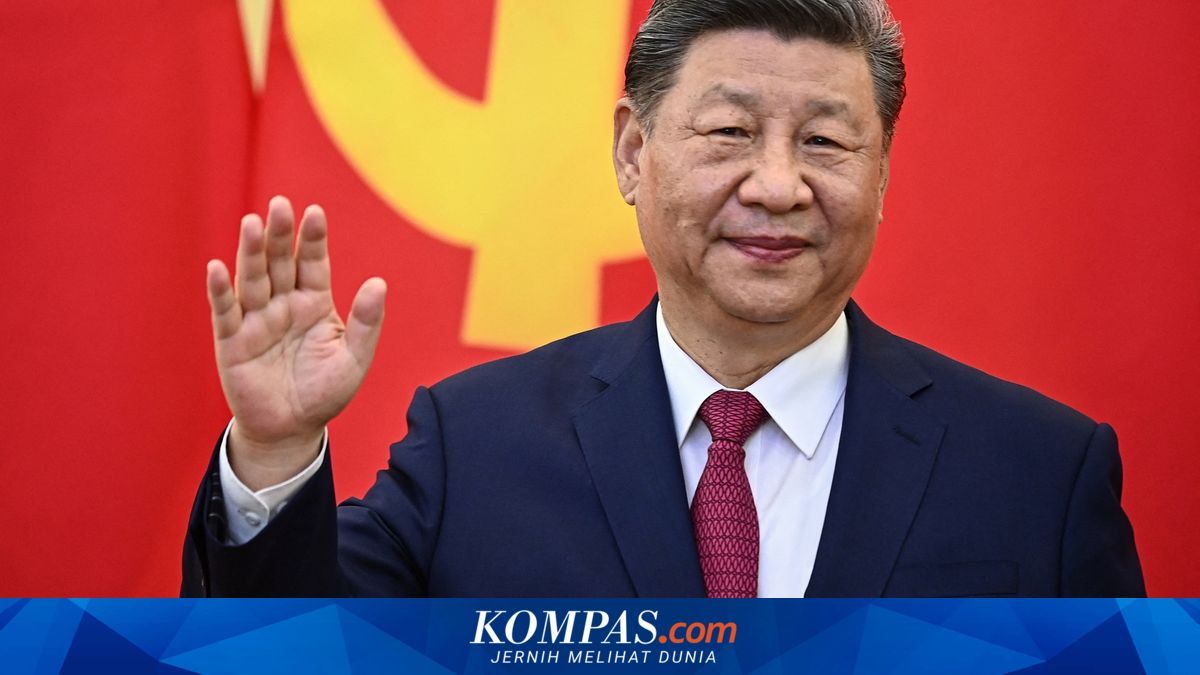
This situation has heightened China’s vigilance. President Xi Jinping is reportedly preparing a long-term strategy to address the rivalry with the US.
In this strategy, Beijing is said to be redirecting its resources towards artificial intelligence (AI), quantum computing, and various other strategic technologies, while continuing to bolster its military capacity.
This ambitious five-year plan was outlined during the national parliament session in Beijing, as reported by The New York Times on Wednesday (4/3/2026).
The direction of this policy indicates that Xi views the competition with the US as ultimately being determined by superiority in technological innovation that underpins economic, military, and cultural strength.
Therefore, China is now aggressively developing bio-manufacturing, hydrogen and fusion energy, brain-computer interfaces, embodied intelligence, and 6G mobile networks.
“In the midst of fierce international competition, we must win the strategic initiative,” states the plan.
One example occurred during President Joe Biden’s administration. In 2023, the US government restricted Nvidia from selling advanced chips to China, including the H200 GPU used for AI development.
Biden argued that sales of US technology to China could threaten his country’s national security while giving Beijing an edge in the AI race.
However, in 2025, that policy was reversed by Donald Trump, who again allowed Nvidia to sell advanced AI chips to the Chinese market.
Most recently, the US Federal Communications Commission (FCC) has also banned the use of the latest foreign-made routers starting in January 2026. Although no specific country is named, many analysts believe this policy is primarily aimed at curbing the advance of hardware from China.
Previously, Chinese technology companies such as Huawei and ZTE have also been targeted by restrictions.
Both were added to the blacklist or entity list, meaning they are prohibited from selling products or obtaining components from US companies. To this day, Huawei remains affected by this blockade.