
AHY: Railway network development becomes solution to curb ODOL vehicles
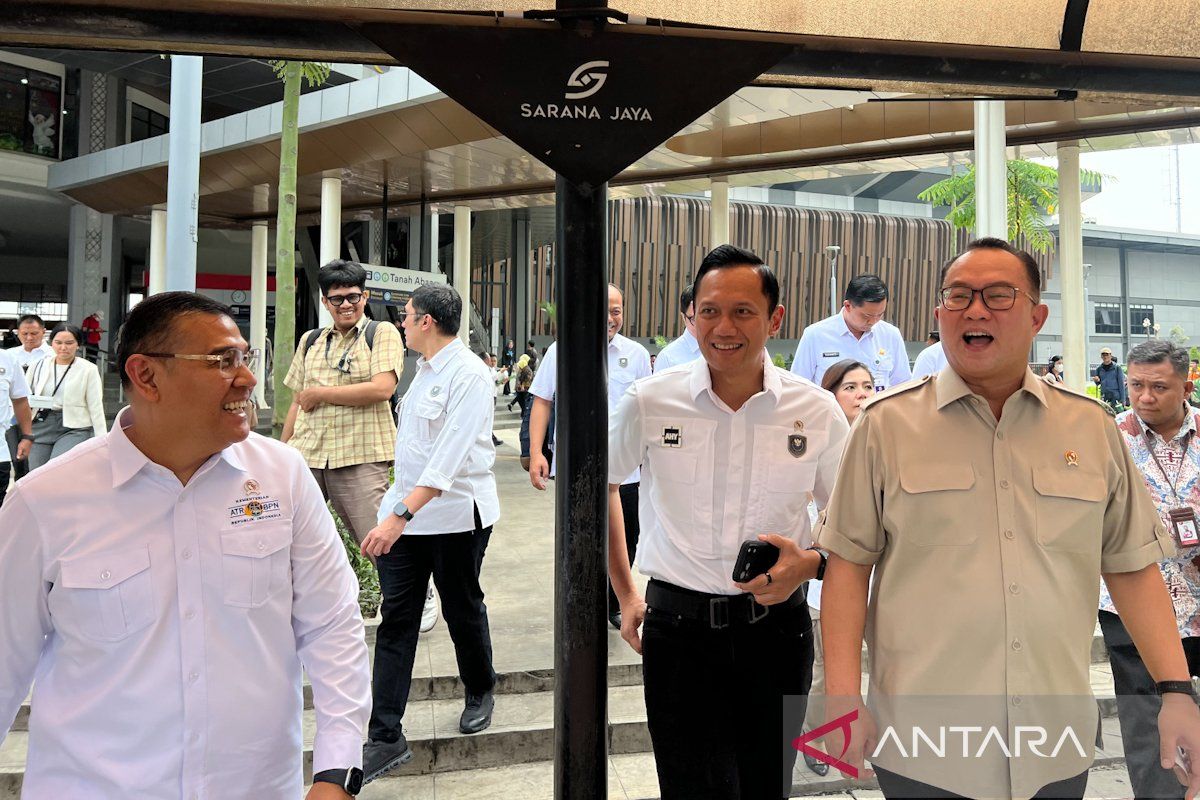
The development of the railway network aims to lower logistics costs while reducing the burden on highways, including ODOL vehicles currently being regulated. Jakarta (ANTARA) - Coordinating Minister for Infrastructure and Regional Development Agus Harimurti Yudhoyono (AHY) stressed that building the railway network is an essential part of efforts to tackle over-dimension over-loading (ODOL) vehicles on national roads. “The development of the railway network to reduce logistics costs as well as ease the load on highways, including ODOL vehicles that are currently being regulated,” said AHY after the coordination meeting on national railway network development at the new Tanah Abang Station, Jakarta, on Wednesday. According to him, railway development not only aims to cut logistics transportation costs but also to reduce road density, which has long been dominated by heavy vehicles with excess loads. This policy, AHY continued, is in line with President Prabowo Subianto’s priority programme, which places infrastructure development as one of the main pillars of national development. The government is also promoting the development of the Trans Sumatera, Trans Kalimantan, and Trans Sulawesi networks to strengthen inter-regional connectivity and improve the efficiency of goods and services distribution. “This is the President’s mandate to accelerate the development of cross-island railway networks,” he stated. AHY assessed that the role of railways not only supports public mobility but also boosts regional productivity through reduced logistics costs, which has long been a challenge. He noted that land transportation contributes around 89 percent of emissions, while railways contribute less than one percent. AHY also highlighted the investment imbalance between road and rail development. In 2023, the road development budget reached around Rp86 trillion, while rail reached about Rp6 trillion. According to him, this situation needs to be addressed, given that the national rail network length is still limited to around 12,000 kilometres, with most located on Java island. He emphasised the importance of developing railway networks in resource-based regions to improve commodity distribution efficiency. The government targets the development and reactivation of rail networks to around 14,000 kilometres gradually towards the Indonesia 2045 vision, with investment needs estimated at Rp1,100 to Rp1,200 trillion. The financing for this development will rely on a combination of the state budget (APBN), regional budgets (APBD), government and business entity cooperation (KPBU), as well as private and foreign investments.