
AHY Pushes for Strengthening Green Corridors in Infrastructure Development
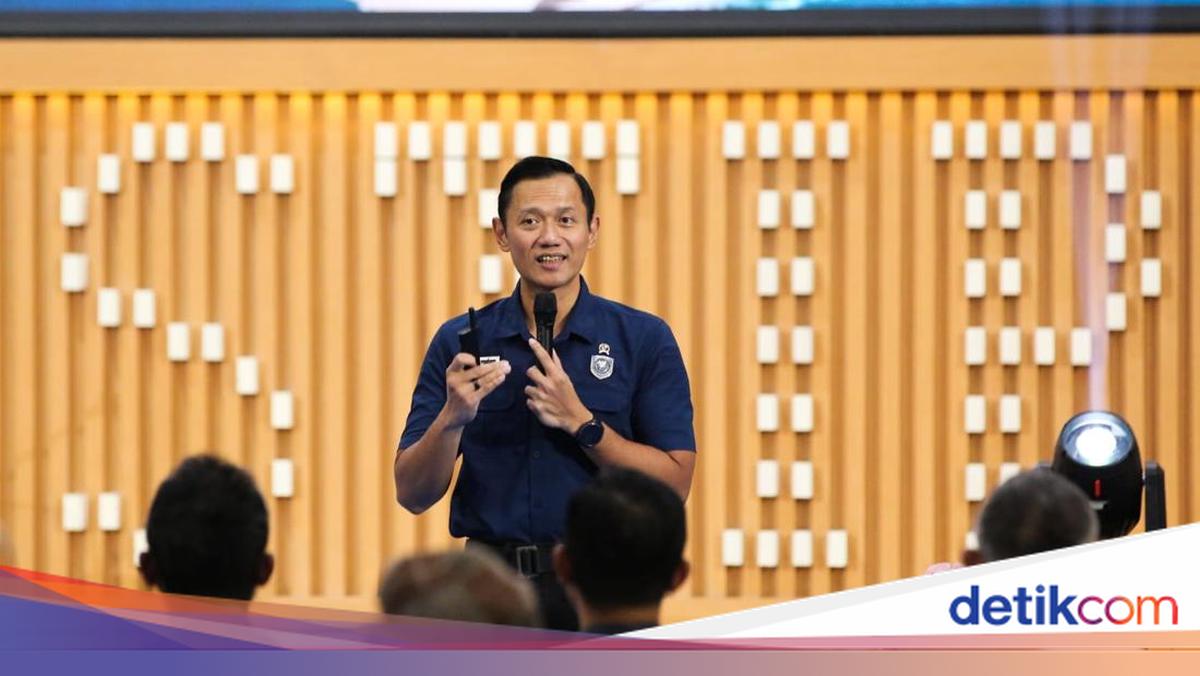
AHY expressed this during a tree-planting activity along the Prambanan-Purwomartani toll road corridor in Sleman, Special Region of Yogyakarta, as part of the national movement to develop Green and Blue Open Spaces (RTHB) on Earth Day. This event also aligns with the vision of Indonesia ASRI, as proposed by President Prabowo Subianto.
“Today, we want to champion not just initiatives, but policies that directly impact our daily lives,” AHY stated in a written remark on Wednesday (6/5/2026).
According to AHY, establishing green corridors along toll roads is a strategic step to absorb carbon emissions, reduce air pollution, and assist in mitigating the climate crisis and ecological disaster threats. Additionally, greening toll road areas enhances aesthetics and comfort for road users.
“We do not want development to be merely lifeless structures, but to create healthy, clean, and beautiful ecosystems,” AHY remarked.
He added that utilising road-owned spaces for greening offers a concrete solution amid land limitations and high urban development needs. Therefore, collaboration between government, universities, and the business sector is deemed essential to ensure sustainable green corridor development based on scientific studies.
AHY stressed that efforts to address the climate crisis cannot remain mere discourse. Integrated, consistent policies must be implemented through tangible actions on the ground.
“Net zero emissions must not be just a slogan. There must be real steps that can be felt,” AHY said.
Furthermore, AHY reminded that developing green open spaces is mandated by the Spatial Planning Law, targeting at least 30% green open spaces in every region. The government continues to promote various breakthroughs to achieve this target gradually.
“In line with the Spatial Planning Law mandate, we continue to strive to meet the minimum 30% green open space target in every region,” he stated.
AHY affirmed that infrastructure development must remain oriented towards public welfare. Infrastructure is built to accelerate economic growth, lower logistics costs, and improve connectivity, yet environmental sustainability must be the top priority.
“Infrastructure to bring prosperity for all. No one should be left behind, no region should be left behind,” AHY declared.
The Prambanan-Purwomartani toll road section is expected to operate optimally soon to support public mobility, including during high-traffic periods. The government also continues to accelerate development while ensuring proper infrastructure maintenance to safeguard transportation safety and efficiency.
AHY emphasised that developing green corridors requires cross-sector collaboration, involving central and local governments, the business world, academics, and the public.
“This is the new standard for national infrastructure. We want to accelerate the economy while preserving the earth’s sustainability for public welfare,” AHY concluded.