
Ahok Testifies in Pertamina LNG Corruption Trial
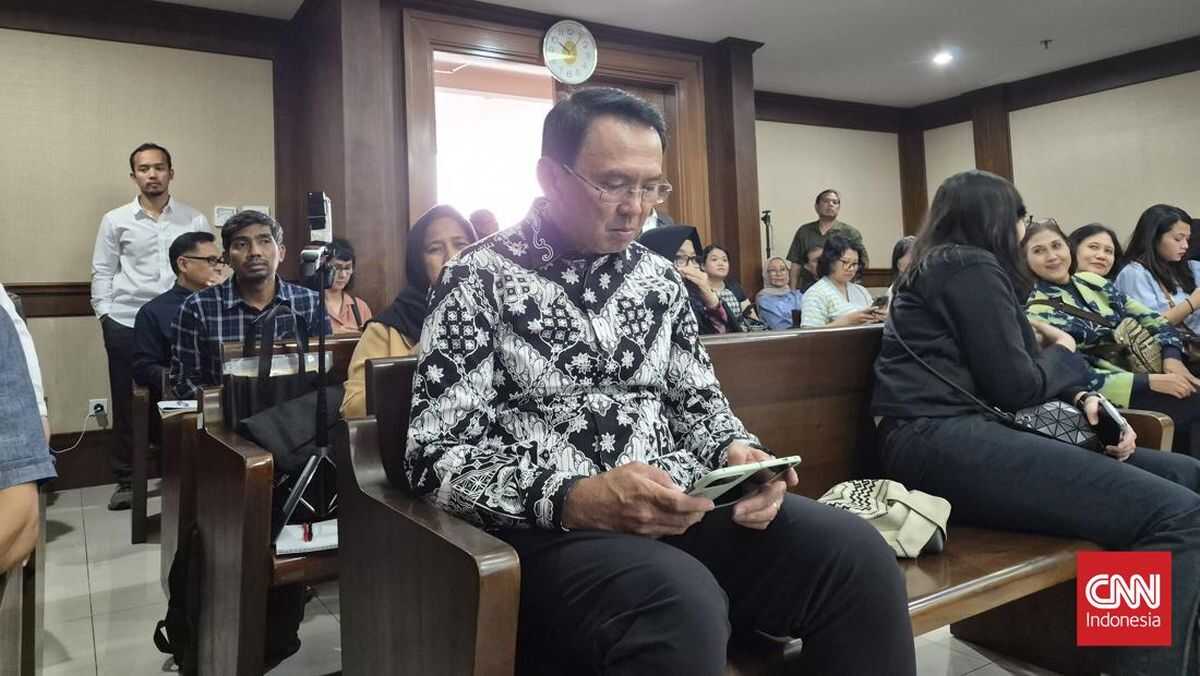
Former Pertamina Chief Commissioner Basuki Tjahaja Purnama, known as Ahok, testified again in the trial regarding alleged corruption in the procurement of Liquefied Natural Gas (LNG) by PT Pertamina.
In his testimony, Ahok expressed shock that a contract existed requiring Pertamina to purchase gas over 20 years without a secured buyer.
Initially, Ahok recounted how he began his role as Chief Commissioner by meeting with his predecessor, Tanri Abeng. He stated that no issues concerning onerous LNG contracts were raised in that meeting and the problem only emerged during a Board of Directors and Board of Commissioners meeting in January 2020.
“When I became Chief Commissioner, the first thing I did was meet with my predecessor. I met with Mr Tanri Abeng, whom we call Theo. He briefed me on everything he knew and what remained outstanding,” Ahok told the Central Jakarta Corruption Court on Monday, 2 March.
“He shared everything and there was no mention of any dangerous LNG onerous contract issue. Because the Board of Commissioners had no record of this case. It only came up during that January meeting, if I recall correctly—the first BOD-BOC meeting. That was when they presented the concept of an onerous contract,” he added.
Ahok expressed both shock and confusion at the existence of a contract involving purchasing gas without any certainty of a buyer.
He also questioned the procedures surrounding the failure to report the contract to the Board of Commissioners and the General Meeting of Shareholders (RUPS).
“That is when we were shocked. And logically, why would you purchase gas without a buyer? And this is a material matter—a contract lasting 20 years. Tens of billions of dollars. Why wasn’t the Board of Commissioners and RUPS informed? What is going on here?” Ahok explained.
In his testimony, Ahok characterised the decision to enter into a long-term contract without a buyer as akin to gambling.
“It is like gambling, really. You could call it gambling, I think. If you happen to be lucky, you win. But the procedure is wrong. The procedure simply cannot work like this. That is what we observed,” he said.
Ahok subsequently ordered an audit by PwC regarding the findings.
“Because according to our law, determining losses requires either BPKP or PwC. PwC was specifically designated by the management.”
From this audit, the term “onerous contract” emerged—a contract deemed dangerous and likely to cause losses to the company.
“What was the Board’s response to the PwC results? What did the PwC investigation show?” asked the Prosecutor.
“The term they used was ‘onerous contract.’ It appeared there was a contract that was dangerous and would cause losses to the company,” Ahok replied.
Ahok also expressed puzzlement at Pertamina’s board of directors’ decision to sign the LNG purchase contract from Mozambique without any buyer commitment in place when the contract was approved.
He questioned the decision to purchase LNG from Mozambique, which he considered risky.
“Witness stated just now there was no buyer, yet LNG was already purchased?” asked the Prosecutor.
“I asked the Chief Executive Officer, ‘Why did you sign to purchase goods from Mozambique when the buyer has not committed?’ He said the report from subordinates indicated commitment, but when the auditor checked, it was merely a preliminary study,” Ahok replied.
Ahok questioned the decision to increase LNG imports based on Indonesia’s Gas Balance data. In his view, the decision was inaccurate because it conflated various other gas sources.
“Why did you purchase so much? The existing stock has no buyer yet, so why add more? Then they justified it using Indonesia’s Gas Balance. But upon further investigation, Indonesia’s Gas Balance does not contain only LNG. It includes coal bed methane and pipeline gas,” Ahok stated.
Beyond the issue of absent buyers, Ahok highlighted supply risks from the Mozambique supplier. According to internal audit findings, the region was experiencing civil conflict, providing no certainty of supply.
“The audit results proved Mozambique offered no guarantee of supply due to ongoing civil war. So it was dangerous for us—how can you buy something that may not exist but you have already committed to purchasing?” said Ahok.
Ahok stated that the company should have only dared to purchase LNG once a buyer had committed in writing.
“There was no written commitment to purchase. Normally in business, the rule for buying LNG should be that we only dare to purchase once someone is certain to buy,” he said.
Previously, Hari Karyuliarto, who served as Pertamina’s Gas Director from 2012–2014, and Yenni Andayani, who served as Senior Vice President of Gas and Power at Pertamina from 2013–2014, were charged with causing state losses of US$113,839,186.60 in this case.
Hari is accused of failing to establish guidelines for the LNG procurement process from Cheniere Energy Inc.; approving the Corpus Christi Liquefaction Term Sheet, which included a pricing formula without considering prices acceptable to prospective domestic buyers; and requesting circular board approval before signing the Corpus Christi Liquefaction Train 1 LNG Purchase Agreement without proposing to the board for written response and RUPS approval.
Hari is also accused of approving the signing of the Corpus Christi Liquefaction Train 1 LNG Purchase Agreement without a binding LNG buyer in place; failing to prepare and attach economic, risk and mitigation studies; and not attaching the draft Sales and Purchase Agreement in the memorandum requesting board approval for the decision to sign the Corpus Christi Liquefaction Train 1 LNG Purchase Agreement.
Furthermore, Hari conducted negotiations with Cheniere Energy Inc. regarding plans to expand Corpus Christi Liquefaction LNG from March 2014 based on potential demand rather than on buyers who had signed agreements.
Hari is also accused of approving a higher pricing formula for Train 2 without any risk analysis or economic assessment.