
Ahead of Zero ODOL 2027, Police Spotlight Overloading Practices
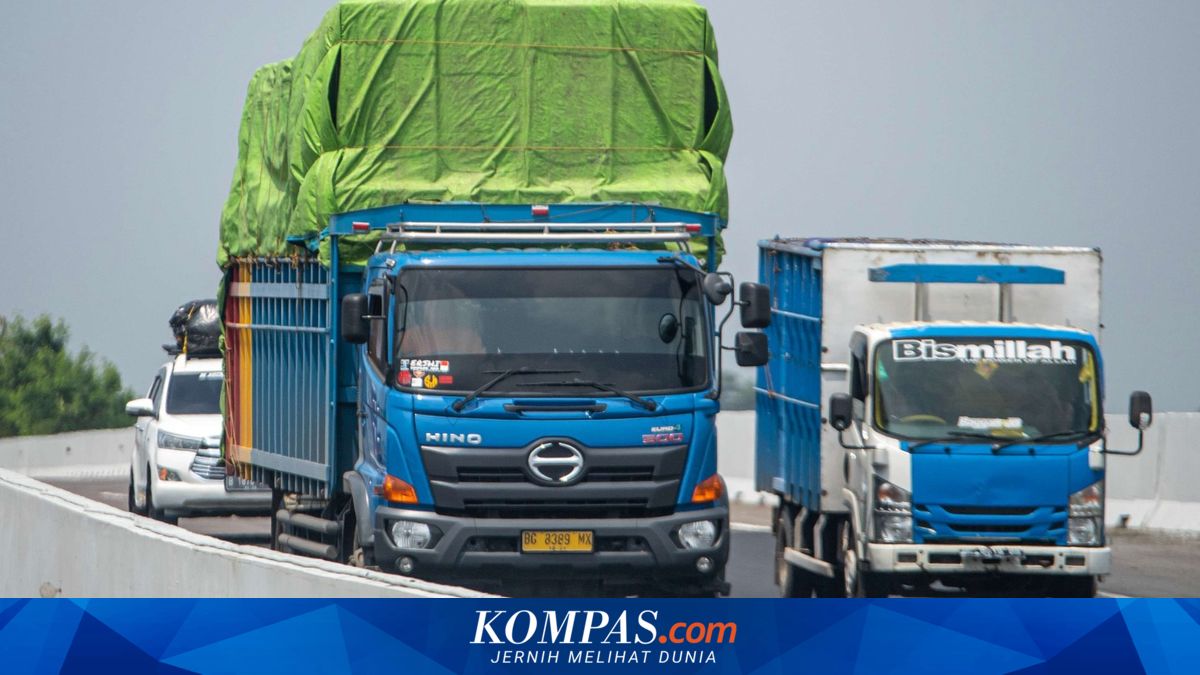
JAKARTA, KOMPAS.com – The plan to implement the Zero ODOL policy, or Over Dimension Over Loading, in 2027 still leaves several on-the-ground challenges. One of the crucial issues is that truck owners find it difficult to refuse requests from cargo owners who want to carry loads exceeding the vehicle’s capacity, i.e. overload. Head of the Traffic Corps (Kakorlantas) of the Indonesian National Police, Agus Suryonugroho, said enforcement against ODOL violations actually already has a clear regulatory basis, particularly relating to over-dimension vehicles. “Who is the offender? It could be the driver, could be the businessperson, could also be the karoseri. It depends on how the process is carried out; that is part of law enforcement,” he said. “We will, as the police, take humane and coordinated steps. But when it comes to the over-dimension provision, the rule is clear.” “For example, if there is a driver who owns a workshop and then alters the vehicle dimensions himself, that driver could become a suspect. If he is only a driver but alters his vehicle himself, the driver could also be a suspect. Because the wording of the clause is ‘any person’,’” he said. “If we talk about criminal offences, what is meant is ‘any person’ and corporations. So the owner of the company or karoser(i) could be charged,” he said. Article 277 referred to by Agus is a provision in Law Number 22 of 2009 on Road Traffic and Road Transport. In that section it states that any person who introduces a motor vehicle, trailer, or semi-trailer onto a road that has been modified so as to change the vehicle type without meeting the type-approval obligations may be punished. This rule is typically applied in cases of over-dimension vehicles, i.e., vehicles whose dimensions have been altered from the factory standard. The modification could involve adding to the length of the bed, raising the truck bed, or changing the width of the vehicle. Overload is different from over-dimension. Overload occurs when a vehicle carries a load beyond the capacity or limits determined.