
Ahead of Eid al-Adha, Goat and Sheep Prices in Yogyakarta Drop Instead
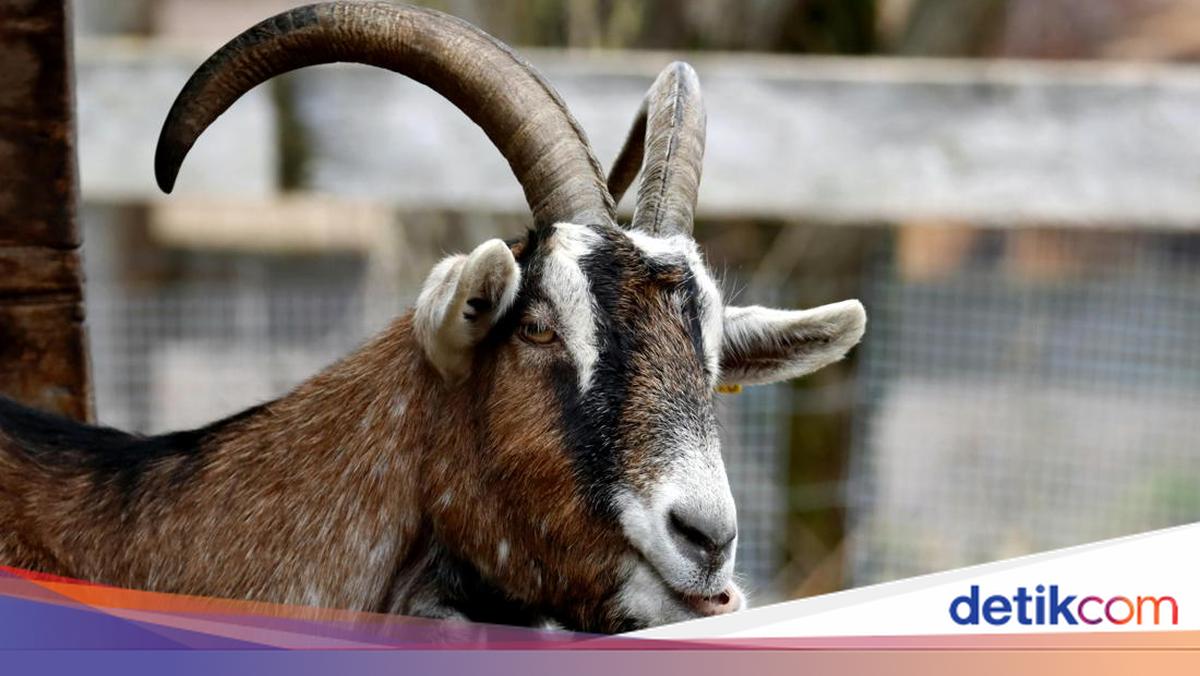
The Yogyakarta Provincial Government and Yogyakarta City predict that goats and sheep will experience higher demand than cattle for Eid al-Adha 1447 H. The recent prices of sacrificial livestock have become the main factor, with goat and sheep prices declining compared to last year.
The Head of Livestock and Animal Health at the Yogyakarta Provincial Department of Agriculture and Food Security (DPKP), Agung Ludiro, stated that goat and sheep prices monitored over the last four months have even tended to decrease.
“Cattle prices have been stable to rising, while goat and sheep prices over the last four months have tended to fall. We think there is a possibility that mosque committees will switch to goats or sheep,” he explained during an inspection at UD Segar Farm in Pekuncen, Wirobrajan, Yogyakarta City, on Friday (8/5/2026).
Nevertheless, Agung said that in April, sacrificial livestock prices began to rise gradually. He predicted that one week before Eid al-Adha, sacrificial animal prices would peak.
“Cattle currently in demand are around Rp22 million and above, with weights of 300-400 kg. Meanwhile, male goat and sheep prices are around Rp2 million, which will be pulled up as it approaches the sacrifice; previously, they were even below Rp2 million,” he elaborated.
Yogyakarta City Head of Agriculture and Food, Sukidi, echoed similar sentiments. According to him, this price fluctuation difference could reduce public purchasing power and shift interest in sacrificial animals from cattle to goats or sheep.
“Cattle are expensive now, so the number of cattle for sacrifice might drop. Meanwhile, goat prices tend to remain stable, even many have fallen. Last year Rp3 million, now Rp2.4 million is acceptable,” he said.
“Plus, public purchasing power has indeed declined somewhat. Although the animals are actually plentiful, people are switching to goats because cattle prices have risen a lot,” Sukidi added.
From the breeders’ perspective, they have already felt a decline in cattle sales for sacrifice. Owner of UD Segar Farm Pekuncen, Sudi Haryoso, said that there is currently a noticeable decrease in cattle demand from sacrifice committees.
“Last year we sold 302 heads, this year estimated around 250 heads. Yes, there is a decline because orders from sacrifice committees have decreased in number,” Sudi revealed.
Livestock Stocks for Sacrifice
Amid these price dynamics for sacrificial animals, the government assures that sacrificial livestock stocks in Yogyakarta are sufficient for Eid al-Adha. Although it is acknowledged that to meet needs in Yogyakarta City, animals must be sourced from outside the city or even outside the province.
“The cattle population in this city is around 60-100 heads, and not all meet the sacrifice requirements, such as age, gender, pregnancy, and so on,” Agung explained.
“Thus, the city sources a lot from outside, 70-80%. Outside could be outside the city in Yogyakarta province or from other provinces,” he continued.
Meanwhile, Sukidi added that Yogyakarta City currently relies on livestock supplies from various regions, such as Wonosari in Gunungkidul, Magelang, Madura, and even Bali. However, livestock from Wonosari still dominates.
Although dependent on shipments from outside the area, Sukidi said that Yogyakarta City Government prioritises animal health aspects. Every animal entering Yogyakarta City must go through document screening and physical examination processes, complete with Animal Health Certificates (SKKH) and Veterinary Certificates.
“We definitely check every day. From when traders are allowed to sell until the end of the selling period, officers will patrol to inspect animal health at the stalls. Even if they bring SKKH, we still conduct physical examinations to ensure the animals are truly fit for sacrifice,” he concluded.