
Agrinas Pangan: From Food Estate Land Management to State-Owned Vehicle Importer
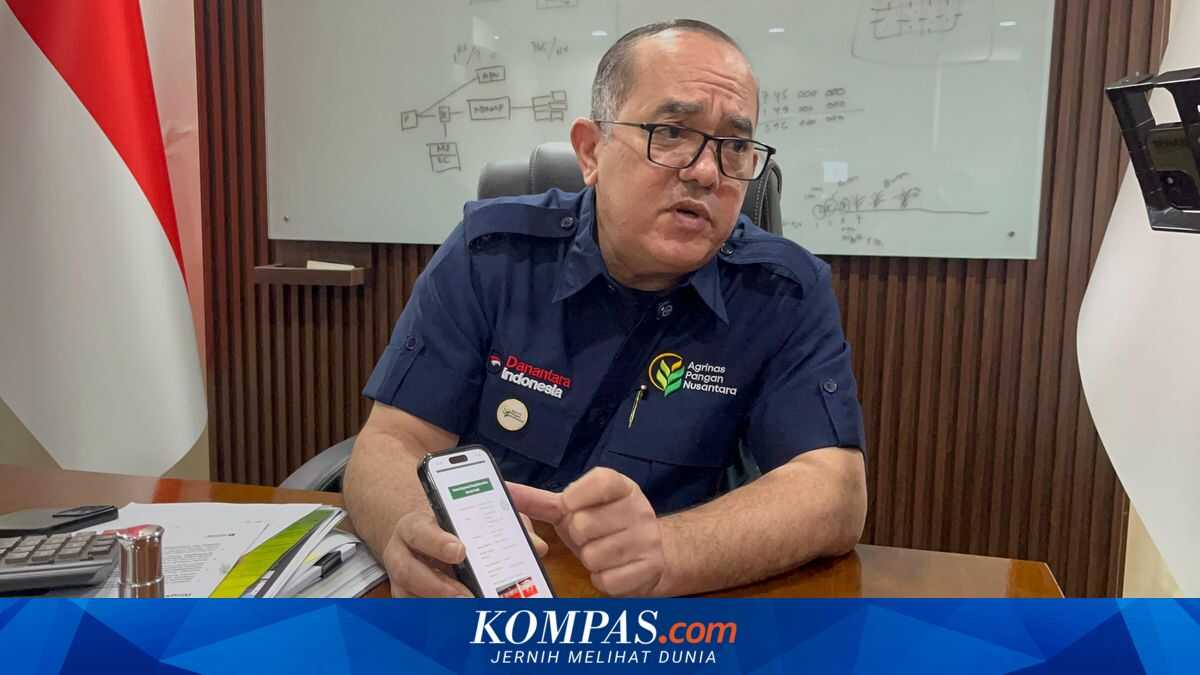
PT Agrinas Pangan Nusantara (Persero), without significant public attention, has quietly realised a contract to import a very large scale of vehicles from India.
This move has surprised many parties as it was undertaken without prior public communication, essentially lacking transparency.
The state-owned enterprise is set to import a total of 105,000 vehicles to support the operations of Koperasi Desa/Kelurahan Merah Putih (KDKMP).
The vehicle imports from India comprise 35,000 units of 4x4 pickups manufactured by Mahindra & Mahindra Ltd., as well as 35,000 units each of 4x4 pickups and six-wheeled trucks produced by Tata Motors.
The value of the vehicle procurement contract reaches Rp 24.66 trillion. Of this total, the company, which is a subsidiary of Danantara, has paid a down payment of 30 per cent, approximately Rp 7.39 trillion.
Agrinas Pangan Nusantara is a new state-owned enterprise formed to execute President Prabowo’s major agenda of strengthening national food sovereignty.
The formation of Agrinas coincided with two other state-owned enterprises, both classified as BUMN Karya, which are also directed to support the food sector. All three were officially established by the government in February 2025 through Ministry of SOE Decree Number S-63/MBU/02/2025.
Besides Agrinas Pangan Nusantara, which is the new face of Yodya Karya, the government also established Agrinas Jaladri Nusantara (formerly Virama Karya) tasked with managing the fisheries sector, as well as Agrinas Palma Nusantara (formerly Indra Karya) focused on managing palm oil plantations.
Specifically for Agrinas Pangan Nusantara, the mandate encompasses comprehensive management of the food production chain. Its responsibilities span from land opening and preparation, planting and maintenance processes, through to harvest.
In its institutional structure, Agrinas operates under Danantara as the holding company that oversees hundreds of state-owned enterprises from various strategic sectors.
As initial capital, the government transferred the management of 425,000 hectares of agricultural land sourced from the food estate project and distributed across several regions in Kalimantan Island.
Regarding financing, the company’s liquidity needs will be met through capital support disbursed by Danantara as the shareholder.
With its extensive land assets and financing support, Agrinas Pangan Nusantara is expected to play a central role in strengthening national food resilience and self-sufficiency.