
Agriculture Minister states sugarcane rejuvenation to be carried out with Rp1.7 trillion budget
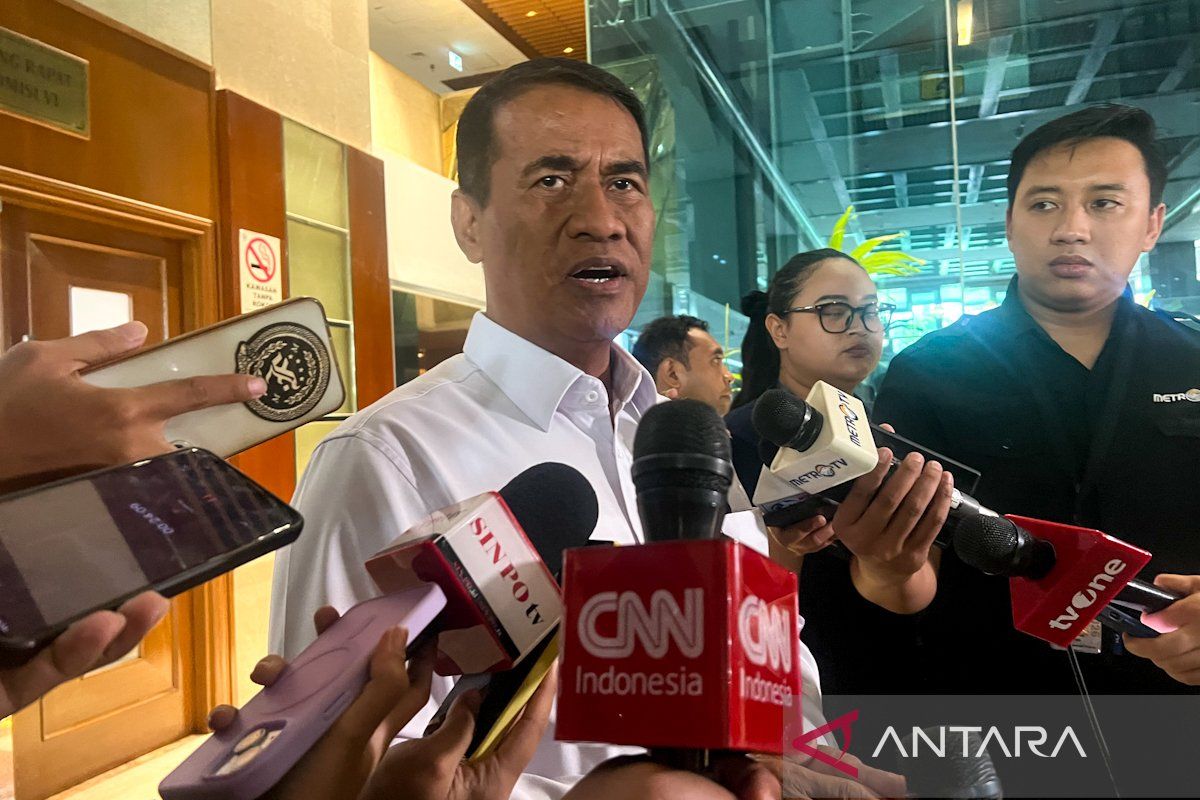
Agriculture Minister and National Food Agency Head Andi Amran Sulaiman stated that the government is preparing a budget of Rp1.7 trillion for sugarcane land rejuvenation (ratoon dismantling) as a strategic step to increase productivity and strengthen national food security.
In a working meeting with the Indonesian House of Representatives in Jakarta on Wednesday, Amran said the budget is allocated to support the ratoon dismantling programme covering 100,000 hectares annually to replace unproductive old sugarcane plants in various regions.
“We have budgeted Rp1.7 trillion for 2025, and this is APBN grants for ratoon dismantling for the community. We are confident, God willing, if this is consistent, by 2027 we will achieve self-sufficiency in white sugar, and then we continue for industry,” said Amran.
He emphasised that the agriculture sector plays a strategic role in national development towards Golden Indonesia 2045, making the strengthening of the sugarcane plantation subsector a current government priority.
He noted that the national sugar demand of around 6.7 million tonnes is far from domestic production of 2.67 million tonnes, necessitating significant acceleration in production increases.
One of the main obstacles is the condition of old ratoon, where about 70-80% of the 500,000 hectares of sugarcane is no longer viable, impacting low national productivity.
Therefore, he said his side will carry out sugarcane rejuvenation of around 300,000 hectares gradually, targeting 100,000 hectares annually.
“One of the main problems is low productivity due to old and damaged sugarcane ratoon plants, with most no longer viable, thus requiring massive rejuvenation,” Amran stated.
The Minister explained that ideally, land rejuvenation should be done at least 25% annually, but currently the realisation is only around 10%, so acceleration is needed through budget support.
The rejuvenation programme is implemented through collaboration between the government, private sector, and state-owned enterprises such as PTPN to ensure optimal productivity improvements in the field.
He is optimistic that if the programme is consistently implemented, Indonesia can achieve self-sufficiency in consumption sugar by 2027 and subsequently strengthen sugar production for industrial needs.
In addition, the government is also preparing the development of molasses utilisation into ethanol to increase added value and address excess supply issues that have not yet been absorbed by the market.
The Minister also highlighted the importance of controlling refined sugar so it does not enter the consumption market, as this could depress prices and harm domestic sugarcane farmers.
With a holistic approach from rejuvenation, regulatory strengthening, to derivative industry development, the government is optimistic that the national sugar sector can rise and be strongly competitive in the future.