
Agriculture Minister: MBG is an investment in superior generations and boosting village economies
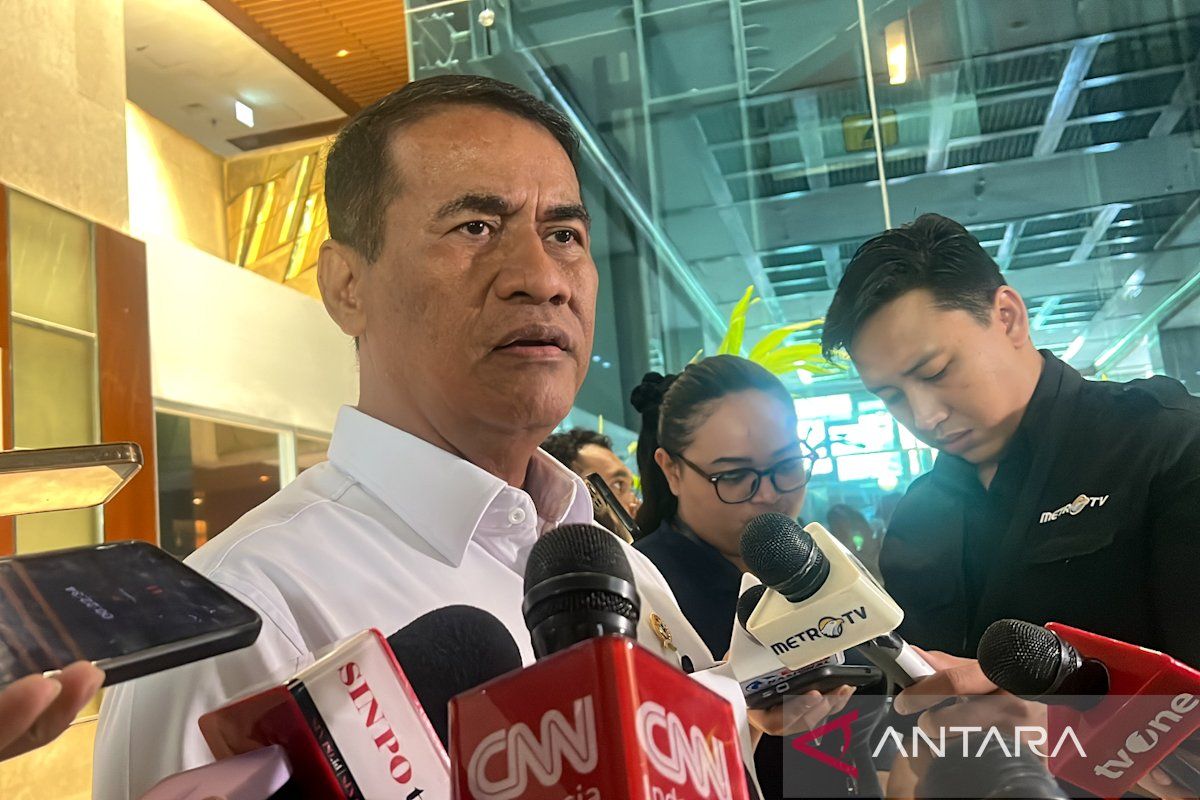
Jakarta (ANTARA) - Agriculture Minister Andi Amran Sulaiman has emphasised that the Free Nutritious Meals (MBG) programme represents a strategic investment by the government to prepare a healthy and superior younger generation in Indonesia, while also promoting village economic growth through the strengthening of the national food sector.
“This (MBG) is an investment for our children and grandchildren, and MBG is a driver of the village economy, stimulating the horticulture economy, vegetables, then chicken sellers, egg sellers—this all moves from upstream to downstream,” said the Minister in a statement in Jakarta on Friday.
He explained that the programme focuses on meeting the nutritional needs of children, from primary to secondary education levels, as an important step in improving the quality of Indonesia’s human resources.
According to the Minister, the programme is not driven by short-term political interests, but purely for long-term benefits in creating a smarter and healthier generation.
“If politically it is not advantageous because primary school children, kindergarten children, junior high, senior high—they won’t vote if we aim for the 2029 election, right? This means it is truly President (Prabowo Subianto)’s idea for the future young generation to be intelligent and so on,” said Amran.
He assessed that the government’s attention to children suffering from malnutrition is an important step, given that stunting rates in Indonesia remain relatively high and need to be addressed seriously.
MBG helps reduce stunting rates by providing adequate nutritional intake for children, especially in areas still facing limited access to nutritious food.
The Minister emphasised that this effort is a form of the government’s concern for the nation’s future, ensuring every child has the opportunity to grow and develop optimally.
“Those who criticise may never have experienced poverty. I was born extremely poor, in extreme poverty. So he (President Prabowo) is very concerned about people, our children who lack nutrition and suffer from stunting,” stated the Minister.
He also affirmed that the programme is part of the government’s commitment to creating social justice, particularly for children from underprivileged families who need nutritional support.
In addition, the programme serves as an engine for village economic growth, especially in the food sector, by involving various business actors from upstream to downstream in a sustainable manner.
According to him, the programme creates a chain effect that revitalises various small and medium enterprises in rural areas.
Horticulture farmers directly benefit from increased market demand, making vegetable production more vibrant and providing better economic value.
Furthermore, he said, the livestock sector also experiences increased activity, particularly for chicken and egg farmers who now feel the positive impact of the programme.
He mentioned that millions of livestock business actors are also spurred by the MBG programme, thus providing real contributions to improving the welfare of small communities in villages.
Not only that, the distribution and trade of food products also gain momentum, creating an interconnected economic ecosystem that strengthens local economic resilience.
“So small people are happy. How many million livestock farmers do we have? There are 3.8 million. This all moves from poultry, cattle, goats, and so on,” said Amran.