
Agriculture Minister Ensures Availability of Pump Irrigation and Fertilisers to Face El Niño
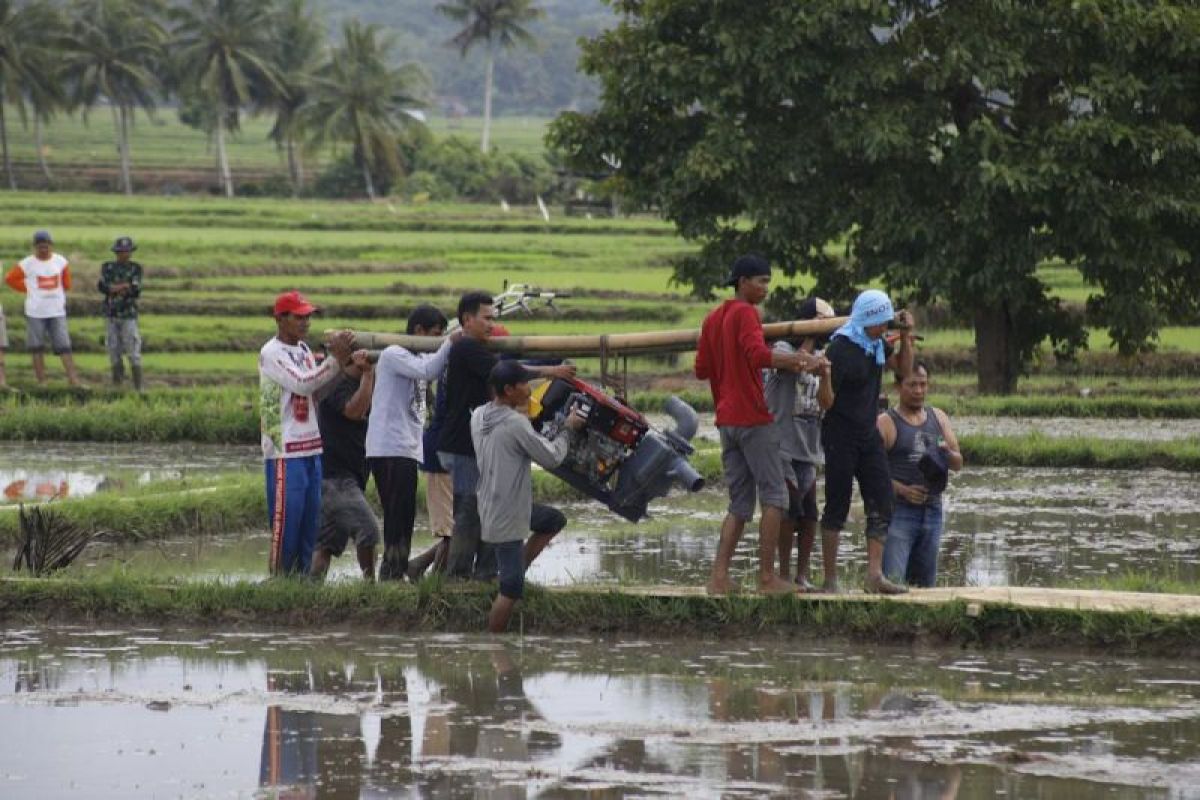
The Ministry of Agriculture has ensured readiness to face the potential long dry season in 2026 with measured mitigation steps based on field conditions. Jakarta (ANTARA) - Minister of Agriculture and Head of the National Food Agency Andi Amran Sulaiman has assured that pump irrigation and fertiliser availability remain maintained to support farmers in sustaining production amid the threat of drought due to the El Niño phenomenon. “The Ministry of Agriculture ensures readiness to face the potential long dry season in 2026 with measured mitigation steps and based on field conditions,” the Minister stated in a press release in Jakarta on Tuesday. He emphasised that national food production remains under control despite facing climate change dynamics that could potentially impact the agricultural sector. The government has prepared strategic steps through mapping drought-prone areas based on early warnings, optimisation of water management, and utilisation of pump irrigation, pipelines, rehabilitation of irrigation networks, and reservoirs. According to climate projections, the 2026 dry season is estimated to last longer with higher intensity. However, this condition has been anticipated from the start through strengthening area-based mitigation systems and accelerating field interventions. Several production centre areas, particularly on Java Island, are potentially facing a decline in irrigation water availability, which could disrupt planting patterns, reduce planting indices, and increase the risk of crop failure. In response to this situation, the Ministry of Agriculture has accelerated interventions in drought-prone areas, one of which is through optimising the use of water pumps and surface water sources. This step is not reactive but has been coordinated from the beginning to all regions to mitigate drought by mapping affected areas and nearby water sources. Meanwhile, the Director General of Agricultural Infrastructure and Facilities of the Ministry of Agriculture, Andi Nur Alam Syah, emphasised that pump irrigation is a key instrument in maintaining production stability during the dry season, while also demonstrating the massive scale of government interventions in recent years. According to him, with the support of water pump facilities, farmers can still access alternative water sources, so cultivation activities do not stop. He mentioned that from 2023 to 2025, the Ministry of Agriculture has distributed 80,158 water pump units as part of strengthening drought mitigation systems at the field level. “And for 2026, 11,000 water pump units are targeted to be allocated across Indonesia,” he asserted. In addition to strengthening water infrastructure, the Ministry of Agriculture has also ensured the availability of main production facilities remains stable, particularly subsidised fertiliser as a key factor in maintaining farming cost efficiency amid climate pressures. As of now, the availability of subsidised fertiliser is still very sufficient. As of 20 April 2026, from an allocation of 9.55 million tonnes, approximately 7 million tonnes remain available for use by farmers throughout Indonesia. “This availability is an important part in maintaining production continuity while providing relief on production costs for farmers,” Andi explained. With guaranteed subsidised fertiliser support and pump irrigation interventions in the field, the government ensures that dual pressures from both climate and production costs can be managed simultaneously.