
Agricultural Observer: Smooth Food Distribution Key to Controlling Ramadan Inflation
An agricultural observer from the Indonesian Agricultural Economics Association (Perhepi), Khudori, has emphasised the importance of smooth food distribution in controlling inflation that rises during Ramadan.
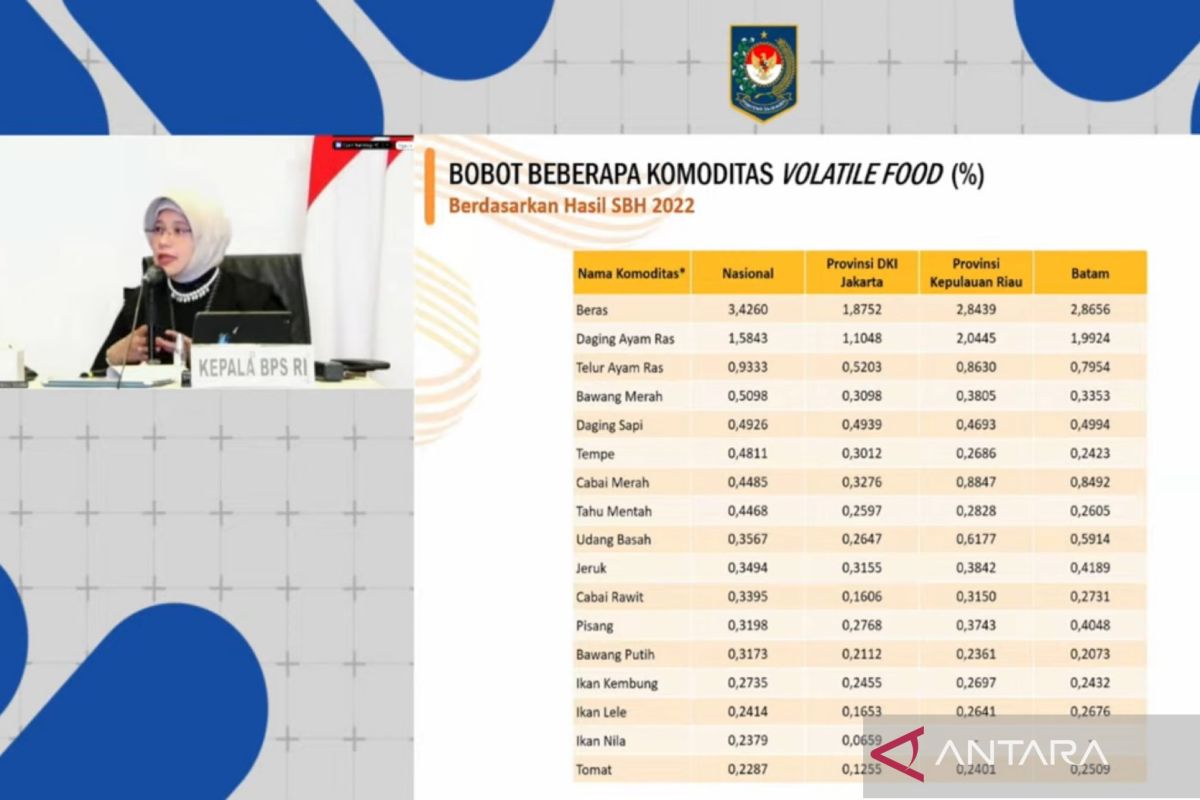
He noted that according to the Central Bureau of Statistics (BPS), inflation reached 0.68 per cent in the first ten days of fasting in February 2026. From the food group, the largest contributors to inflation were broiler chicken, bird’s eye chillies, red chillies, fresh fish, and tomatoes.
Khudori estimates inflation will be higher in March 2026. Referring to data from the Ministry of Trade’s Basic Commodity Market Monitoring System (SP2KP) as of 6 March 2026, the average prices of sugar, shallots, eggs, broiler chicken, cooking oil (Minyakita), bird’s eye chillies, as well as medium and premium rice remained above reference prices and maximum retail prices (HET).
Because of this, he believes distribution from production centres to consumers must be ensured to run smoothly, particularly for commodities produced domestically.
For commodities that are mostly imported, such as garlic, Khudori said the government must ensure the goods enter the market quickly and do not accumulate in importer warehouses.
“Regulatory authorities must have data on warehouses and their contents. Without this, oversight will be difficult, even wasteful,” he said.
Additionally, Khudori emphasised the importance of organising cheap food bazaars and cheap food movements to assist the community.
“Sales of subsidised rice from SPHP that stagnate around 4,000–5,000 tonnes per day should be evaluated. The price of Minyakita that remains above the HET of Rp15,700 per litre indicates that distribution of 35% of this subsidised cooking oil by Bulog and ID Food has not solved the problem,” he said.
He also highlighted the role of PT Berdikari, a state-owned enterprise under the ID Food holding, in ensuring the supply of beef and buffalo meat.
He noted that beef prices remain in line with the reference of Rp130,000–Rp140,000 per kilogramme, but buffalo meat prices exceed the reference by more than 40 per cent.