
AGI says restricting access to games requires parental involvement
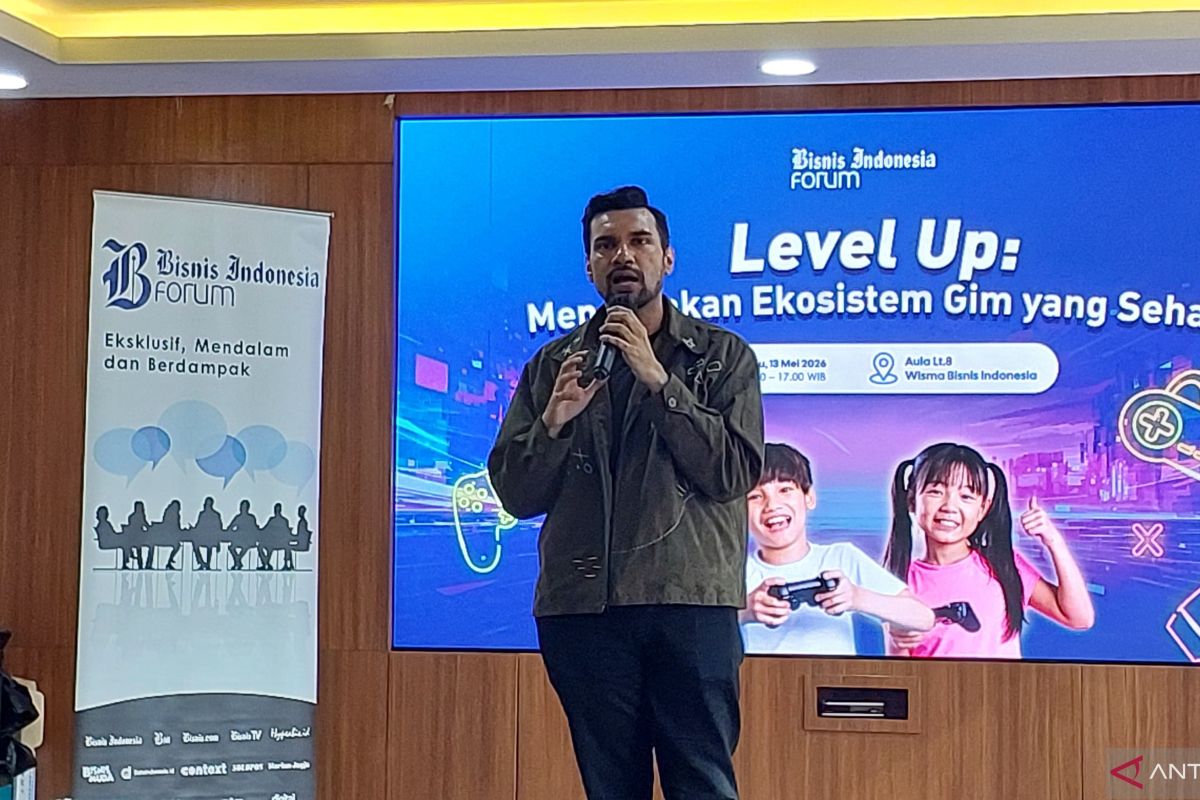
Jakarta (ANTARA) - Chairman of the Indonesian Game Association (AGI), Shafiq Husein, stated that restricting access to games not intended for children requires the involvement of parents as the first ‘gate’ to prevent children from being exposed to negatively labelled or age-inappropriate game content.
“No matter how strict the regulations are made, the greatest control lies with the parents,” Shafiq said during a discussion on Creating a Healthy Gaming Ecosystem in Jakarta on Wednesday.
He explained that most games developed by both local and foreign developers typically target markets aged 16 and above. Meanwhile, the PP Tunas regulation limits online game accounts for children under 16 years old.
Additionally, most online games require payment access through banking, which children under 16 generally do not have, as they lack jobs and income.
Even if game access gates are closed, children will still be exposed to age-inappropriate content due to a lack of parental supervision once they hold devices in their hands.
“I believe the regulations must be thoroughly discussed together. Not just from the interests of one party alone. We in the industry are also aware that we do not want the nation’s future generation to become chaotic,” Shafiq said.
He stated that PP Tunas cannot solely regulate games in a way that labels playing games as having a negative connotation. Representing AGI, Shafiq said they also want to protect children from very real game addiction, but parental involvement is needed to curb addiction levels through personal restrictions.
Shafiq suggested that PP Tunas should also implement rules for parents in limiting device provision or game access to prevent addiction in children.
He also hopes that PP Tunas and other regulations do not immediately hinder the creative processes of local game developers who are still emerging and do not close the door to foreign games entering Indonesia as a major gaming consumption market in Southeast Asia.