
AFTECH states blockchain can strengthen transparency in government programmes
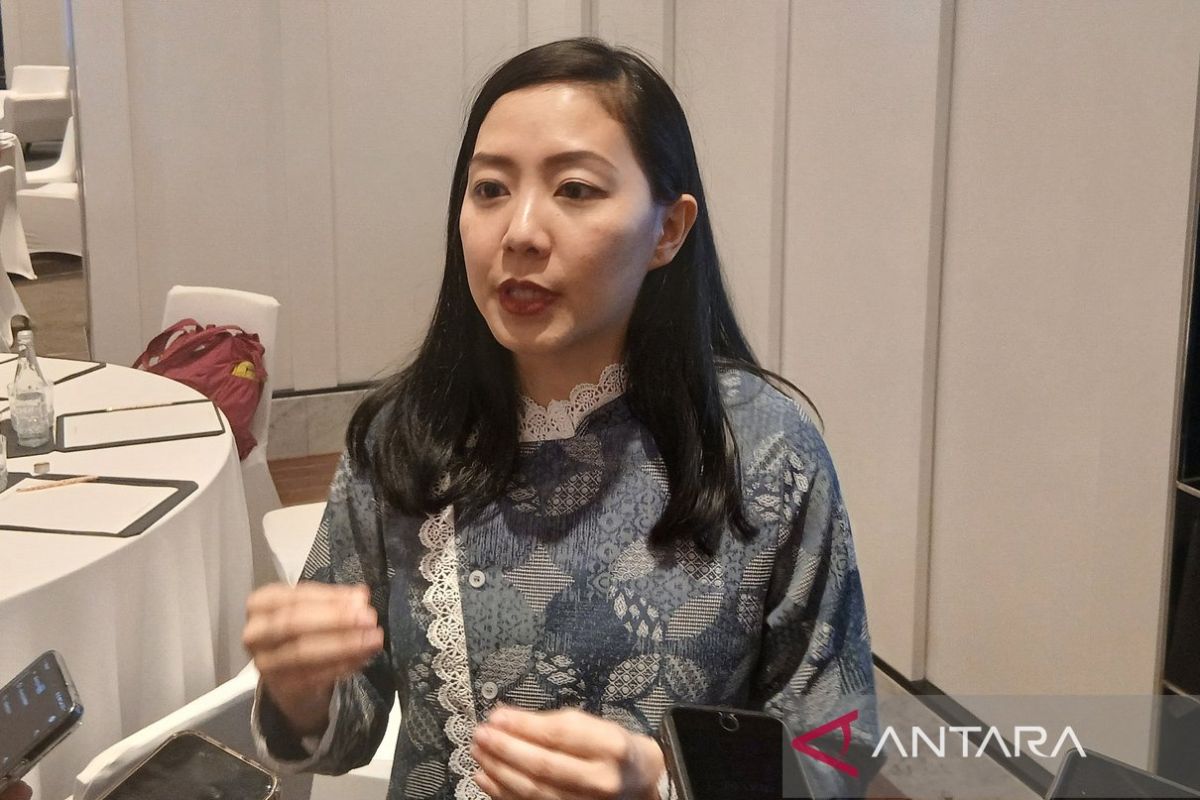
Jakarta (ANTARA) - Deputy General Chair IV of the Indonesian Fintech Association (AFTECH) for Investment and Financial Wellness, Claudia Kolonas, stated that blockchain technology can be utilised to improve transparency in the implementation of government programmes.
She explained that blockchain technology can be implemented not only in financial innovations but also in the real sector and social programmes.
“Actually, the potential to use blockchain technology for things like CBDC (Central Bank Digital Currency) or innovations such as the MBG (Free Nutritious Meals) programme, or programmes like dairy farming and others, the technology (blockchain) can be used effectively,” she clarified in Jakarta on Wednesday.
Claudia stated that blockchain technology can be used to inventory financial transaction records (ledger) for every innovation and government programme being run.
She conveyed that this is possible because transparency, as one of the main advantages of the technology, can facilitate supervision of programmes from upstream to downstream.
However, she acknowledged that many parties still lack understanding of blockchain applications and think the technology is only used in the financial sector.
“Indeed, many people misunderstand; they think it’s crypto assets (as the most well-known innovation using blockchain technology) which is just speculative investment, but actually the blockchain system has many applications,” said Claudia Kolonas.
One utilisation of blockchain technology by the government outside the financial sector is the initiative by the Ministry of Creative Economy/Creative Economy Agency (Bekraf) to integrate the technology to protect Intellectual Property Rights (HAKI) and digital assets of Indonesian creatives.
In October 2025, the Ministry of Creative Economy signed a Memorandum of Understanding (MoU) with Baliola technology company regarding the development of ecosystems, implementation of research, project incubation, and digital talent training to accelerate the adoption of blockchain technology in the creative economy sector.
Director of New Digital Technology at the Ministry of Creative Economy, Dandy Yudha Feryawan, stated that blockchain is capable of addressing challenges in recording, ownership, and copyright violations by ensuring the authenticity and transparency of intellectual property (IP) or intellectual assets.
Another example is the implementation of blockchain technology on diplomas of graduates from Universitas Dian Nuswantoro (Udinus) in Semarang. Footballer Pratama Arhan became the first Udinus graduate to hold a diploma using this technology.