
AFJ: Collaboration Can Make Cage-Free Eggs a Reality
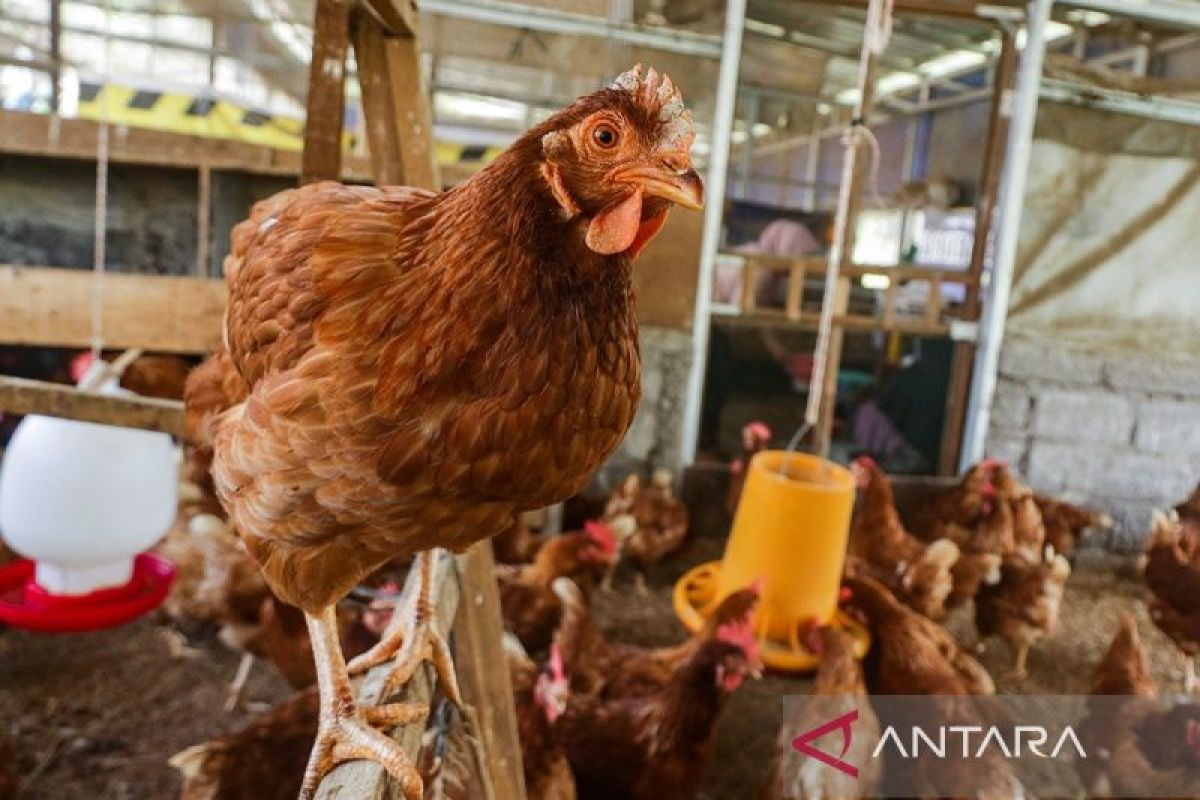
A commitment to cage-free eggs is only the first step. The next challenge is ensuring that it is genuinely put into practice.
Surakarta, Central Java (ANTARA) – Animal Friends Jogja (AFJ) says stronger communication and collaboration among companies, suppliers, the government and other stakeholders are needed to turn commitments to use cage-free eggs into concrete, measurable and accountable implementation.
“A commitment to cage-free eggs is only the first step. The next challenge is ensuring that it is genuinely put into practice,” said Elly Mangunsong, AFJ’s Director of Farmed Animal Welfare Advocacy Programmes, in a statement issued in Surakarta, Central Java, on Saturday.
She said the transition was part of efforts to improve the welfare of laying hens, as cage-free systems allow them to move more freely and express their natural behaviours than battery-cage systems.
“Openness, collaboration and concrete action from various parties are therefore needed to ensure that changes in the supply chain also have a real impact on the welfare of laying hens,” she said.
She added that companies’ commitments to switch to cage-free eggs needed to be matched by a supply chain capable of consistently meeting industry demand.
Supply availability, costs, quality standards, distribution, traceability and product verification are among the key considerations for putting such commitments into business operations.
These issues were discussed at the Corporate Roundtable Discussion 2026, organised by AFJ under the theme ‘Beyond Commitment: Corporate Insights and Collaboration for Responsible Sourcing’.
Boethdy Angkasa, head of the Implementation, Supervision and Livestock Product Quality Certification Subdivision at the Directorate General of Livestock and Animal Health Services, Ministry of Agriculture, said the government would support the transition to cage-free systems as a form of product differentiation that could be promoted in line with healthy-lifestyle trends.
Tri Widiantoro of Chocolate Monggo stressed the importance of integrating responsible sourcing into business decisions and consumer education.
“Responsible procurement of raw materials needs to be part of a business strategy, not simply an additional burden for companies,” he said.
Participants in a focus group discussion identified three main challenges to implementing cage-free egg commitments: limited supply and information about cage-free farms, low public awareness, and cage-free eggs’ higher prices compared with eggs from battery-cage systems.
Companies that have made commitments said supply constraints could be addressed by working with more than one farmer.
Meanwhile, consumer awareness could be raised by sharing relevant information in ways that keep pace with the times. The commitment to use 100 per cent cage-free eggs could also be implemented gradually to address price challenges.