
Advantages and Disadvantages of CNG Compared to LPG: Is It Really Cheaper?
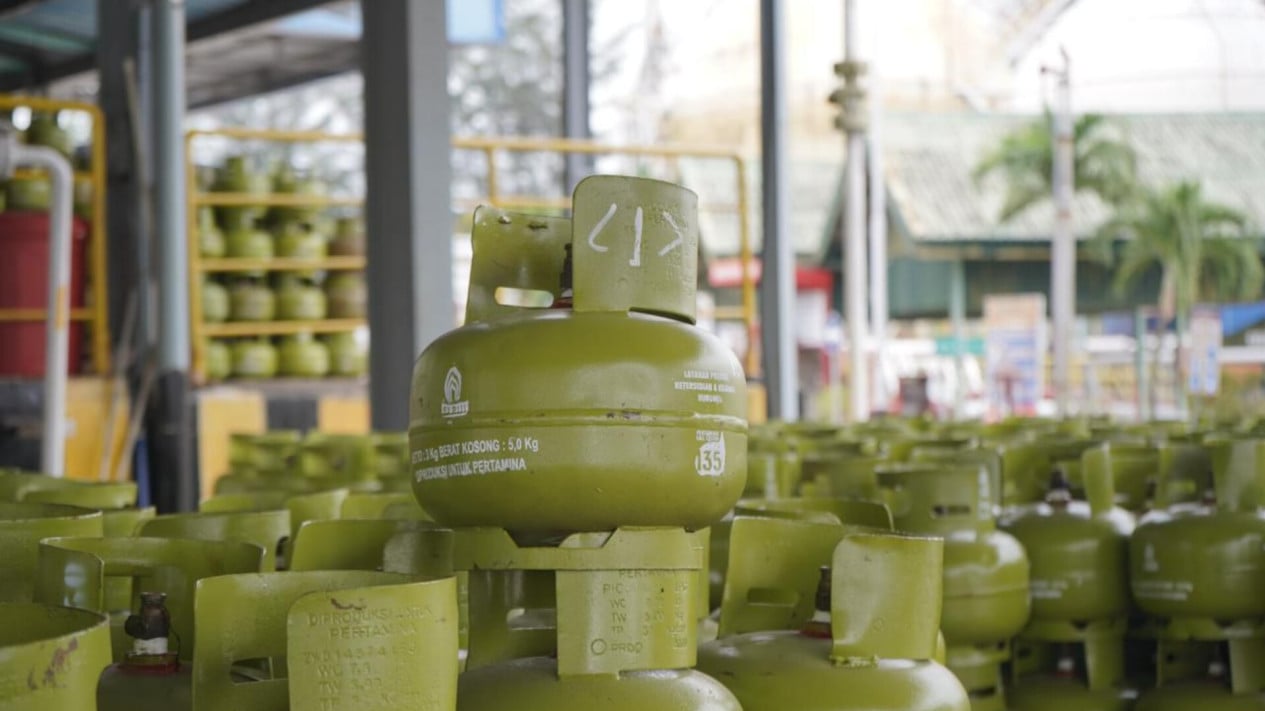
Indonesia’s dependence on LPG imports remains a concern for the government. To reduce this energy import burden, the government is beginning to consider the use of Compressed Natural Gas or CNG as an alternative replacement for the 3-kilogram LPG commonly used in households.
The discourse on utilising CNG for household needs is currently being studied by the government. In addition to being claimed to be cheaper, CNG’s raw material also comes from domestic natural gas, which is considered abundant in Indonesia.
The government even assesses that CNG technology is sufficiently ready for wider use because it has been employed in various sectors so far. Minister of Energy and Mineral Resources (ESDM) Bahlil Lahadalia stated that the government is currently conducting trials of small-sized CNG cylinders equivalent to 3 kilograms of LPG.
“For the 3-kilogram size, the cylinder is still in the trial stage because the pressure is quite high. In the next two to three months, we hope to have the results,” said Bahlil.
He also assured that the subsidy scheme is still under discussion. “Everything is still being studied, including the possibility of subsidies and the volume amount,” he said.
The use of CNG is actually not new. So far, CNG has been utilised in the hotel and restaurant sectors as well as the Free Nutritious Meals programme or MBG. However, its usage is still limited to large cylinders of 10 to 20 kilograms or more.
In various countries, CNG is also starting to be used as an alternative energy source deemed cleaner than LPG. Nevertheless, the use of CNG for households still faces several challenges, from infrastructure to high-pressure gas storage systems.
Here are the advantages and disadvantages of CNG compared to LPG for household needs based on various international sources.
Advantages of CNG over LPG
- More environmentally friendly
CNG produces lower levels of carbon dioxide, nitrogen oxide, and particulate emissions compared to LPG. Therefore, CNG is considered cleaner and better for air quality in household environments. Natural gas, the main component of CNG, also results in more complete combustion, thus producing less carbon residue than LPG.
- Leakage risk considered safer