
Across Generations: Intrinsic Leadership Key to Breaking the Deadlock of the Nation's Systemic Crisis
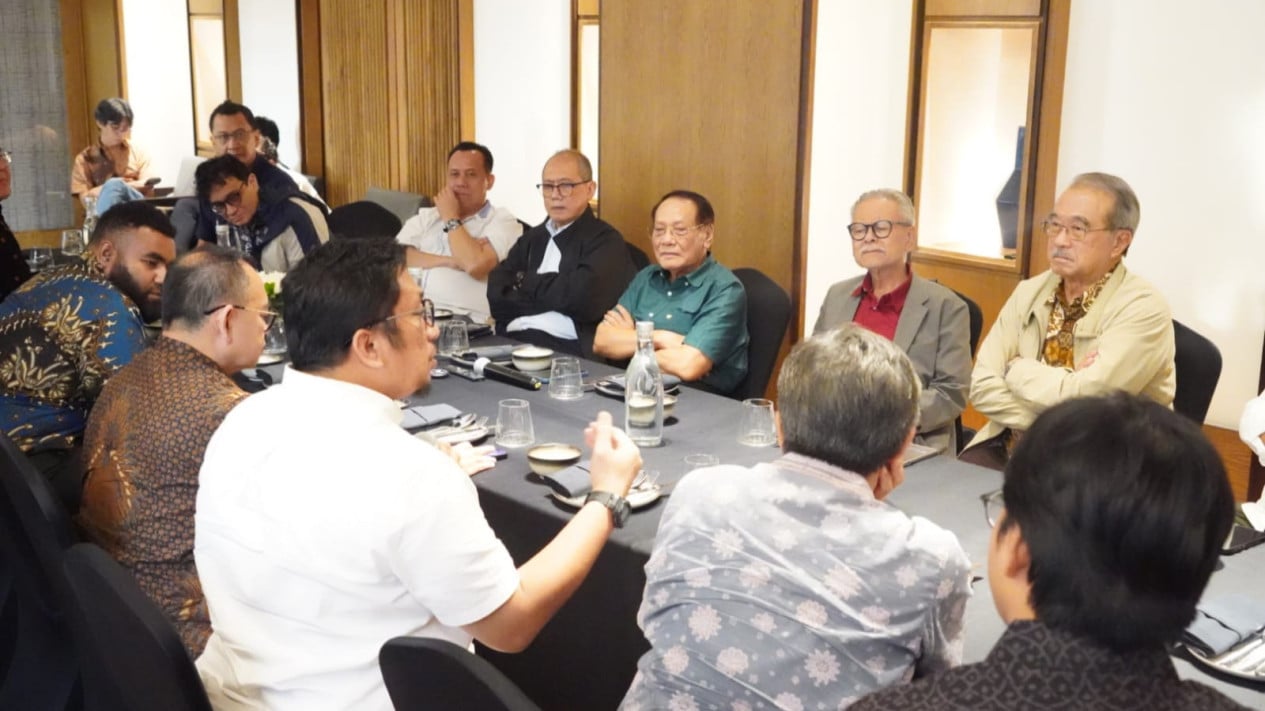
Jakarta, VIVA – Rector of Harkat Negeri University, Sudirman Said, emphasised that the current multidimensional crisis stems from the fading moral standards of leaders, who now rely more on formal authority than on integrity.
“In a challenging future, we need the pillar of intrinsic leadership. Leaders must have a solid foundation of track record and integrity, rather than merely using the authority granted to them in an unwise manner,” Sudirman stated in a written remark on Wednesday, 18 March 2026.
He highlighted how sources of quality leadership are increasingly diminishing, replaced by the use of power that tends to be non-participatory.
This leadership crisis directly impacts the management of national priorities, particularly in the defence sector.
On that occasion, Retired TNI General Endriartono Sutarto provided notes on defence equipment policies deemed not to favour human welfare.
“The state has an obligation not only to safeguard sovereignty but also to prosper its people. It is sufficient to make the equipment we have capable, rather than buying a lot that becomes outdated in a few years,” stressed the former TNI Commander.
He also questioned the addition of structures and ranks amid stagnant budgets, which instead erode the rights of lower-level soldiers.
On the other hand, the damage to the political superstructure becomes the main obstacle to the emergence of quality leaders. Constitutional law expert Feri Amsari dissected the typology of political parties that have now transformed into commercial entities.
“Indonesia cannot be managed with political parties in this format. The requirements are set in such a way that only super-rich people can enter. They don’t care about democracy; what matters is increasing wealth,” said Feri.
This was reinforced by businessman Anton Supit, who stated that the country’s fiscal problems will not be resolved without legal certainty and good governance. Despite being critical, Anton affirmed that this thinking arises from a sense of ownership.
“We do not want to topple the government at all; this is our country, we want everyone to be safe and succeed together,” he said.
Concluding the series of thoughts, anti-corruption figure Erry Riyana Hardjapamekas underlined the importance of humility in power.
“What we want is the opening of space to listen and make corrections. Being willing to be corrected means acknowledging that this country is a shared home, not an individual one’s. With that, governance can be achieved, so that inequality can be narrowed,” explained Erry.