
Acid Attack Case Against Andrie Yunus Falls Under General Court Jurisdiction
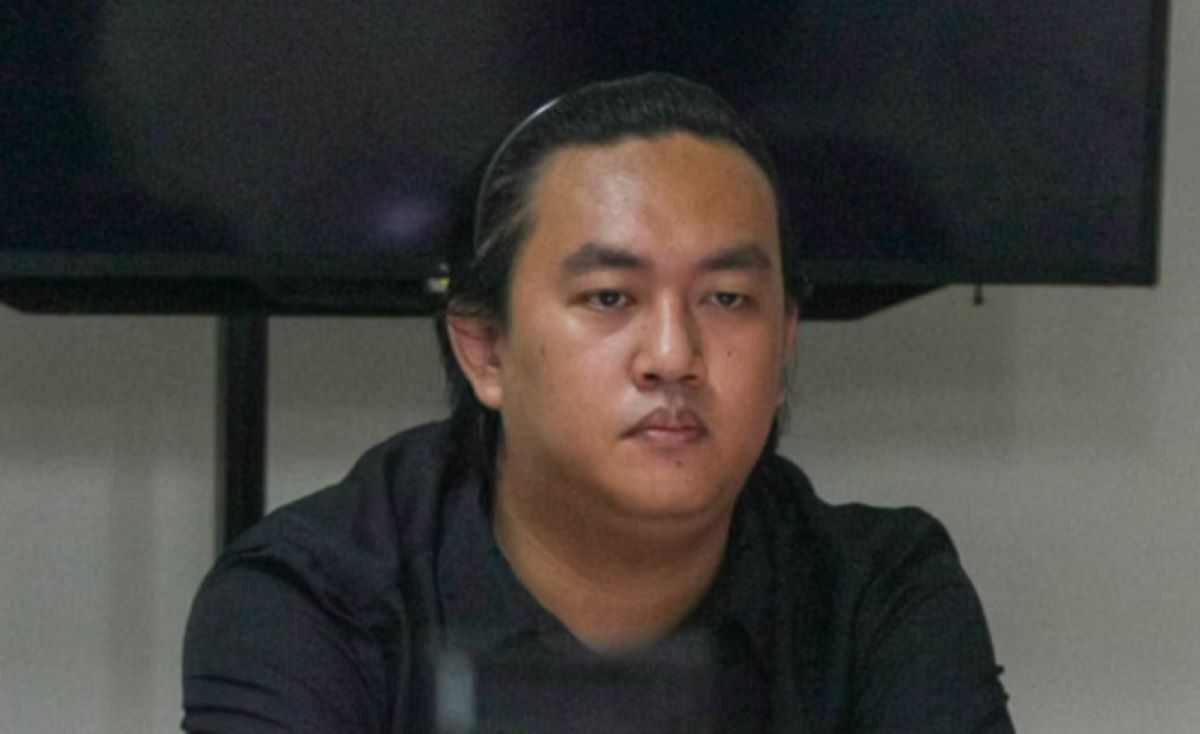
The Indonesian Centre for Law and Policy Studies (PSHK) has emphasised that the case of the alleged planned murder attempt against Deputy Coordinator of KontraS, Andrie Yunus, is purely a common criminal offence. Therefore, the perpetrators, who are members of the TNI, should be tried in a general court, not a military court.
PSHK Indonesia Executive Director, Rizky Argama, assessed that the acid attack on the human rights activist in a public space has absolutely no connection to military functions or duties.
“There is no element of military discipline, breach of service obligations, or crimes stemming from military functions and duties,” Rizky stated when contacted in Jakarta on Thursday (26/3).
According to Rizky, the perpetrators’ status as members of the Indonesian National Armed Forces (TNI) does not automatically pull this case into the military realm. He urged the President to ensure that the legal process, from prosecution to trial, is fully handled by general judicial institutions under an independent judiciary.
Functional Jurisdiction Principle
Rizky explained the importance of applying the functional jurisdiction principle. Under this principle, the determination of the court forum for military personnel must be based on the nature of the criminal act committed, not the position or status of the perpetrator.
This doctrine, he continued, is widely recognised in international law. The Inter-American Court of Human Rights (IACHR Court) and the UN Human Rights Committee through General Comment Number 32 have affirmed strict limitations on military jurisdiction.
“Military court jurisdiction must be strictly limited and not used for common criminal cases, especially those involving civilians. The acid attack on a human rights activist is clearly not one of them,” Rizky stated.
Positive Legal Basis in Indonesia
PSHK noted that the legal framework in Indonesia already points towards such separation, as stipulated in both regulations, which adopt the functional jurisdiction principle that the judicial environment is determined based on the type of criminal offence, not the perpetrator’s status.
Previously, four members of the TNI Strategic Intelligence Agency (Bais), namely Captain TNI NDP, Lieutenant TNI SL, Lieutenant TNI BHW, and Sergeant TNI ES, have been named as suspects. To date, all four are still undergoing internal examinations. As a result of this case, Lieutenant General Yudi Abrimantyo has also submitted his resignation as Head of TNI Bais.