
Achieving Sugar Self-Sufficiency by 2026
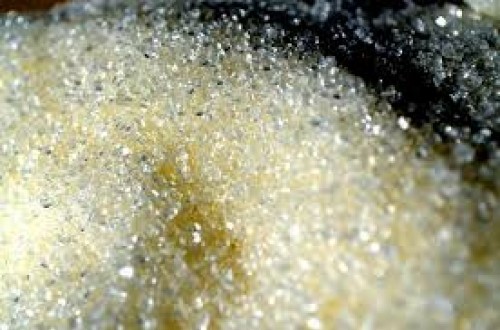
Optimism for Indonesia to achieve self-sufficiency in consumption sugar this year is increasingly finding a strong foundation. This is supported by production data trends, targeted programme interventions, and transformations in the sugar sector that are beginning to show tangible results.
In this context, the agricultural downstreaming programme specifically through ratoon dismantling and sugarcane area expansion for the 2025–2027 period will be an important catalyst in accelerating the realisation of national sugar independence.
Data from the Central Statistics Agency (BPS) shows that national sugar production in recent years has experienced an upward trend, although it has not yet fully met domestic needs. National white crystal sugar (GKP) production in 2023 was around 2.3–2.4 million tonnes, while household consumption needs reached approximately 2.8 million tonnes. This shortfall has been covered through imports.
However, since last year, there have been significant developments. The national sugarcane area, which had stagnated at around 400–450 thousand hectares, has begun to show an increase, in line with government policy interventions. Sugarcane productivity is also slowly improving from an average of about 65 tonnes per hectare to 70–75 tonnes per hectare in some production centres. Even, in areas applying modern cultivation practices, productivity can reach more than 90 tonnes per hectare.
More importantly, the sugarcane yield, which has long been a weak point, is beginning to improve. If previously the national average yield was around 6–7 percent, now some revitalised sugar factories can achieve yields above 8 percent. A one percent increase in yield alone can significantly boost national sugar production without needing to drastically expand the land area.
Game Changer Named Ratoon Dismantling
In this framework, the ratoon dismantling programme becomes highly strategic. The Directorate General of Estates (Ditjenbun) of the Ministry of Agriculture is actively promoting the rejuvenation of old, unproductive sugarcane plants. The ratoon dismantling target in recent years has reached tens of thousands of hectares per year, focusing on centre regions such as East Java, Central Java, and Lampung.
This programme is supported by the provision of certified superior seeds, production facility assistance, and technical guidance to farmers. The new varieties planted have higher productivity potential, are resistant to environmental stresses, and have better yields. In the short term, this programme is expected to increase productivity by at least 10–20 percent compared to old ratoon plants.
In addition, the Directorate General of Estates is also implementing the Integrated Sugarcane Area Development programme that connects farmers with sugar factories in one production ecosystem. This area approach enables more standardised cultivation management, efficiency in raw material distribution, and improved quality of sugarcane that is milled.
Another equally important step is the massive expansion of sugarcane areas in the 2025–2027 period. The government targets the addition of new sugarcane land up to hundreds of thousands of hectares, especially outside Java such as South Sumatra, Lampung, South Sulawesi, and Papua. This step aligns with efforts to even out development and optimise potential land that has not been maximally utilised so far.
If this expansion programme runs according to plan, the national sugarcane area has the potential to increase to more than 700 thousand hectares in the coming years. With an assumed average productivity of 80 tonnes per hectare and a yield of 9 percent, national sugar production has the potential to break through to 4 million tonnes. This figure not only suffices to meet consumption needs but also opens opportunities to significantly reduce import dependency.
Downstreaming and Revitalisation
Downstreaming becomes a key element in ensuring the sustainability of that production increase. It is not enough to just increase sugarcane production, but it must also be balanced with adequate processing industry capacity. Currently, Indonesia has more than 60 sugar factories, but most still use old technology with low efficiency.
Through the revitalisation programme, the government targets an increase in milling capacity and efficiency of sugar factories. Investment in modern technology, including automation systems and energy efficiency, is a priority. Even, some new sugar factories built outside Java have been designed with an integrated concept, not only producing sugar, but also bioethanol and electricity from sugarcane waste.
From an economic perspective, this downstreaming provides significant added value. Derivative products like bioethanol have great market potential, especially in supporting renewable energy programmes. Thus, the sugar industry not only becomes a food sector, but also part of the national energy strategy.
Optimism for sugar self-sufficiency is also supported by government policies in maintaining price stability and farmer protection. The setting of reference sugar prices, import controls, and financing support through the People’s Business Credit (KUR) become important instruments in creating a healthy business ecosystem.
However, the success of this very much depends on consistent implementation in the field. Challenges such as climate change, infrastructure limitations, and inter-agency coordination must be addressed systematically. This is where strengthening data systems and agricultural digitalisation is important.
The use of digital technology in land monitoring, production forecasting, to supply chain management can improve efficiency and decision-making accuracy. With accurate data, the government can formulate more targeted policies, while farmers can increase productivity through information-based cultivation practices.
This momentum must also be utilised to strengthen the role of the younger generation in se