
Aceh mosque preserves Ramadan tradition with "Kanji Rumbi" porridge
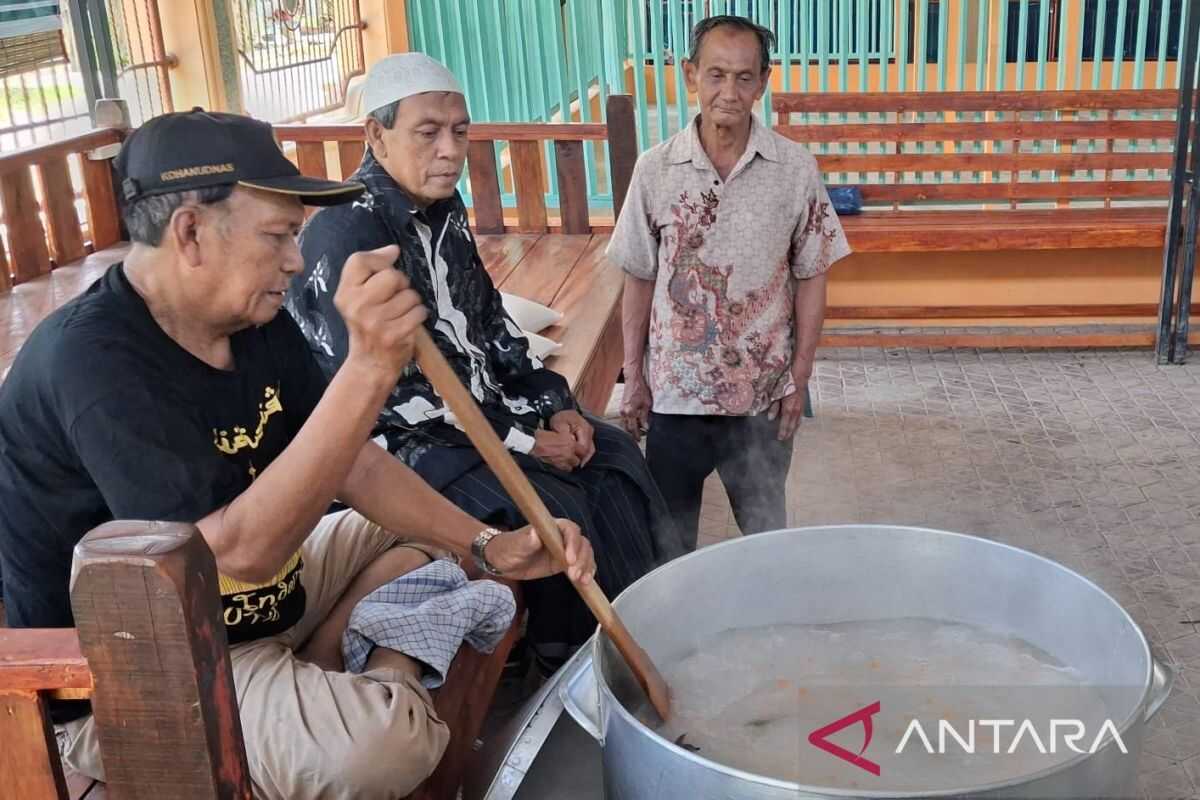
“This is a tradition every Ramadhan, running for 30 days,” said 72-year-old veteran kanji rumbi cook Mansur on Saturday in Langsa City, East Aceh District.
Mansur spent the day stirring a giant cauldron of kanji rumbi, a traditional Acehnese porridge, which has become a staple iftar dish for the local community.
Preparation begins early in the morning. The rice, the main ingredient, is soaked overnight. One large cauldron uses roughly 15 kilograms of rice.
Mansur said the key to kanji rumbi’s flavor lies in its complex “peurancah” spice blend, using more than a dozen local spices from Aceh.
The seasoning includes coriander, sweet cumin, pepper, nutmeg, shallots, garlic, ginger, plus whole spices like cinnamon, clove, cardamom, and star anise.
“All spices are ground at home before being brought to the mosque. One cauldron also uses coconut milk from 40 coconuts for a rich flavor,” he said.
The porridge also contains carrots, potatoes, soup leaves, and temurui leaves, which add a distinctive aroma.
Notably, the cooking, which takes several hours, is done entirely by men, preserving a decades-old mosque tradition.
Mosque official Zailani said the kanji rumbi distribution has been held for more than a decade.
Operational costs for one cauldron reach around one million rupiah (US$66), fully funded by donations from the local community.
“Distribution starts after Asr prayer until iftar. It is primarily for mosque worshippers and travelers passing through Langsa. Everyone can take it for free,” Zailani said.
For Acehnese, kanji rumbi is more than a meal. Its warm spices are believed to aid digestion and boost energy after a day of fasting.
By 4 p.m. local time, dozens of plastic-packed servings are lined up, ready for residents to take home or enjoy in the mosque courtyard at iftar.
Translator: R.Fajri, Rahmad Nasution