
Accelerating energy transition based on biotechnology and local wisdom
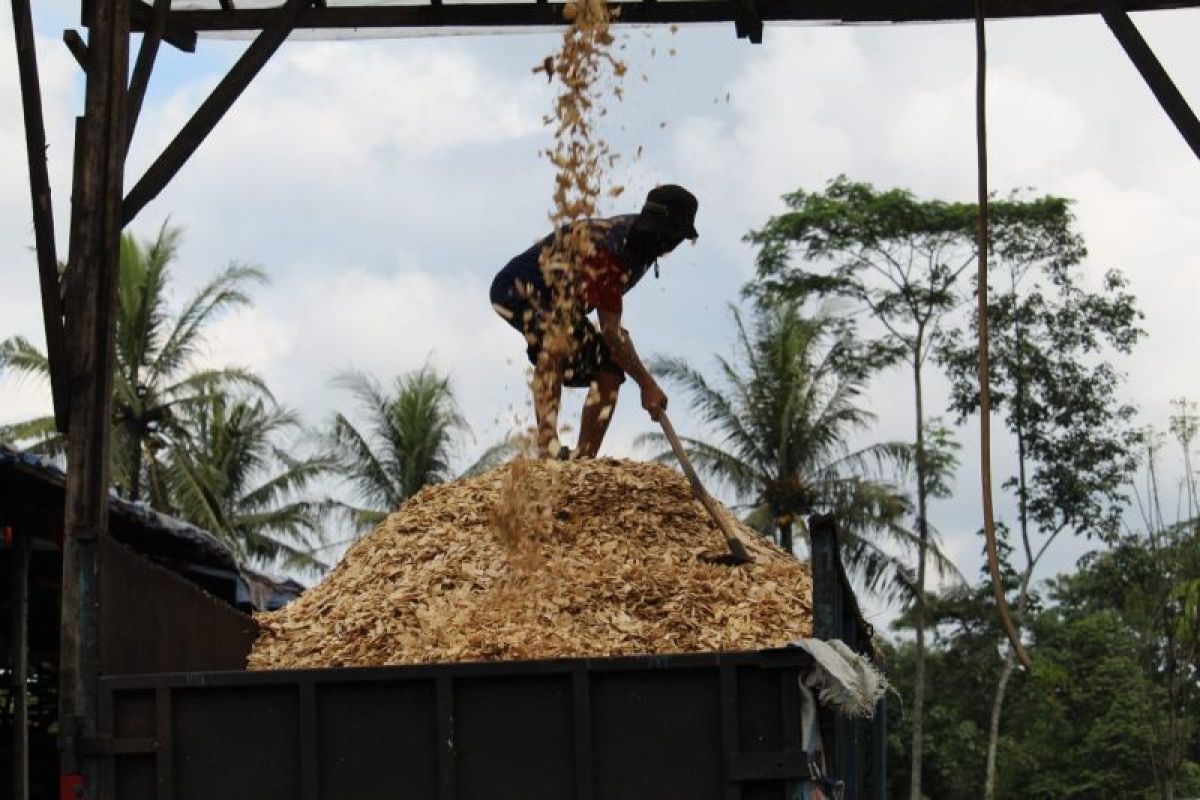
Diversification enables a country to utilise various available energy sources so that the energy system does not depend solely on a single type of energy.
Jakarta – The global energy crisis has returned to world attention as geopolitical tensions in the Middle East intensify.
The conflict resulting from Israeli and American strikes on Iran has raised concerns about the stability of global energy supplies, as this region is one of the world’s major oil production centres. The primary distribution route, the Strait of Hormuz, serves as a vital link between the Persian Gulf and international energy markets. Any disruption to this strategic corridor could potentially cause energy supply instability and a rise in oil prices in global markets.
The world’s dependence on fossil fuels makes the global energy system highly vulnerable to geopolitical dynamics. When political conflicts affect energy production or distribution, oil prices can rise significantly and directly impact the economies of various nations. This situation demonstrates that energy systems overly dependent on fossil fuel sources face high risks from external disruptions.
For developing countries such as Indonesia, these conditions carry serious consequences. Dependence on oil imports makes the national economy extremely sensitive to fluctuations in global energy prices.
When global oil prices increase, pressure on the state budget also rises, particularly in the energy subsidy sector. Consequently, strengthening national energy resilience has become one of the important agendas in long-term development. This effort can be accomplished through energy diversification and increased use of renewable energy sources derived from domestic potential.
The transition towards renewable energy represents a strategic step to reduce dependence on fossil fuels whilst supporting climate change mitigation. The development of clean energy not only strengthens national energy resilience but also contributes to reducing greenhouse gas emissions, the primary cause of global warming. Energy diversification allows for optimal utilisation of various energy sources, creating a more resilient energy system. The development of renewable energy becomes one of the solutions capable of addressing these challenges whilst supporting sustainable development.
One important approach in energy transition is diversifying energy sources. Diversification enables a country to utilise various available energy sources so that the energy system does not depend solely on one type of energy. By harnessing the various energy potentials available, energy resilience can be strengthened and the risk of energy crises can be minimised.
Indonesia possesses extensive renewable energy potential, encompassing solar, wind, water, geothermal, and biomass. Organic waste from agriculture, plantations, and forestry can be utilised as a sustainable alternative energy source if managed with appropriate technology. However, the development of renewable energy does not rely solely on modern technology but also requires integration with local wisdom, which reflects adaptive natural resource management practices suited to local conditions. The combination of technological innovation and local knowledge can create a sustainable energy system and promote community participation.
One example of implementing community-based renewable energy is the development of micro-hydro power plants in rural areas that have water flow sources. This technology is relatively simple and can be collectively managed by village communities. Beyond generating electricity, this system also strengthens community energy independence and increases local participation in energy management.