
Academics view Papua's cultural wealth as a strength in the digital space
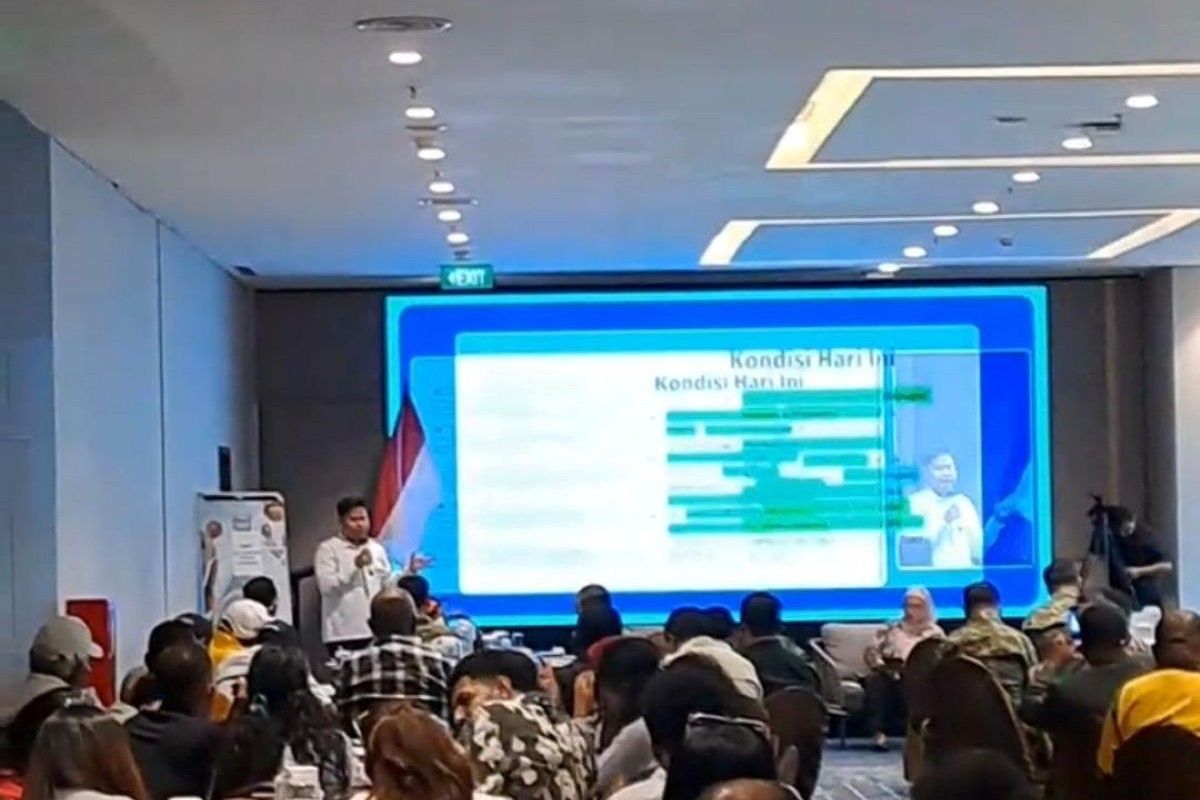
Jakarta (ANTARA) - Geopolitics expert from Muhammadiyah University Indonesia, Rasminto, assesses that Papua’s cultural wealth must become the primary strength in building a positive image of Papua in the digital space.
Rasminto, in a statement received in Jakarta on Thursday, conveyed that Papua must not continuously be understood solely from the perspective of conflict, violence, separatism, demonstrations, and stigma.
“Papua today stands at a crossroads between digital disruption, social change, and the need to preserve cultural identity. Technological advancements have opened new spaces for anyone to speak, interpret, and even construct narratives about the Land of Papua,” he said during the TNI Komsos FGD event in Jakarta on Wednesday (29/4).
He noted that anyone can now become a media outlet. Meanwhile, viral trends can quickly shape public opinion, and the boundaries between facts, data, opinions, and hoaxes often become blurred.
“What is contested in the digital era is not only public attention but also the meaning of Papua. If the meaning of Papua continues to be dominated by stigma, the public will view Papua through the lens of prejudice,” stated the Founder of the Human Studies Institute (HSI).
Rasminto conveyed that culture must be positioned as a strength and foundation for the future, not merely a legacy of the past or a ceremonial complement, but as social capital, a source of identity, a binder of solidarity, and a strategic force for building the future.
“Papua possesses immense cultural wealth, ranging from customary territories, ethnic diversity, languages, arts, music, dances, architecture, kinship systems to local leadership traditions. Moreover, there is cultural diversity demonstrated by the existence of 262 languages in the Land of Papua, which is identical to the ethnic diversity of the nation,” he said.
That ethnic language diversity, he added, constitutes both potential and cultural wealth of Papua that must be nurtured and introduced more broadly to the public audience.
“Papua’s ethnic and linguistic diversity is an extraordinary wealth. This is not only local identity but cultural capital that can strengthen Papua’s position at the national and global levels,” Rasminto stated.
He mentioned that there are at least four types of traditional leadership in Papua: big man or influential men, chiefdom or village heads/ondoafi, kingdoms, and mixed type or hybrid types.
“In Papua, culture is not just about dance, music, or traditional clothing. Within Papuan culture, there are systems of knowledge, leadership values, respect for nature, social solidarity, and ways in which communities resolve issues,” he said.
Additionally, Rasminto exemplified that content creators can highlight customary stories, local figures, regional languages, traditional music, dances, carvings, cuisine, village architecture, coastal and mountainous community life, gotong royong practices, and success stories of young Papuans in education, sports, arts, and creative economy.
“Content creators are guardians of public perception. Because they can transform stigma into pride, resolve conflict into hope, and turn marginalisation into recognition,” he said.
Therefore, Rasminto encourages strengthening digital literacy for young Papuan creators to distinguish between facts, data, hoaxes, propaganda, and algorithmic manipulation through collaboration between government, TNI, universities, customary communities, media, creative economy actors, and civil society organisations.
“A movement for positive Papua content is needed, not only reactive when stigma emerges. This movement must be a collective effort to present Papua as a space of culture, creativity, and Indonesia’s future,” he stated.