
Academics: The Formation of PT Danantara Sumberdaya Indonesia (DSI) Will Curb Under-Invoicing Practices
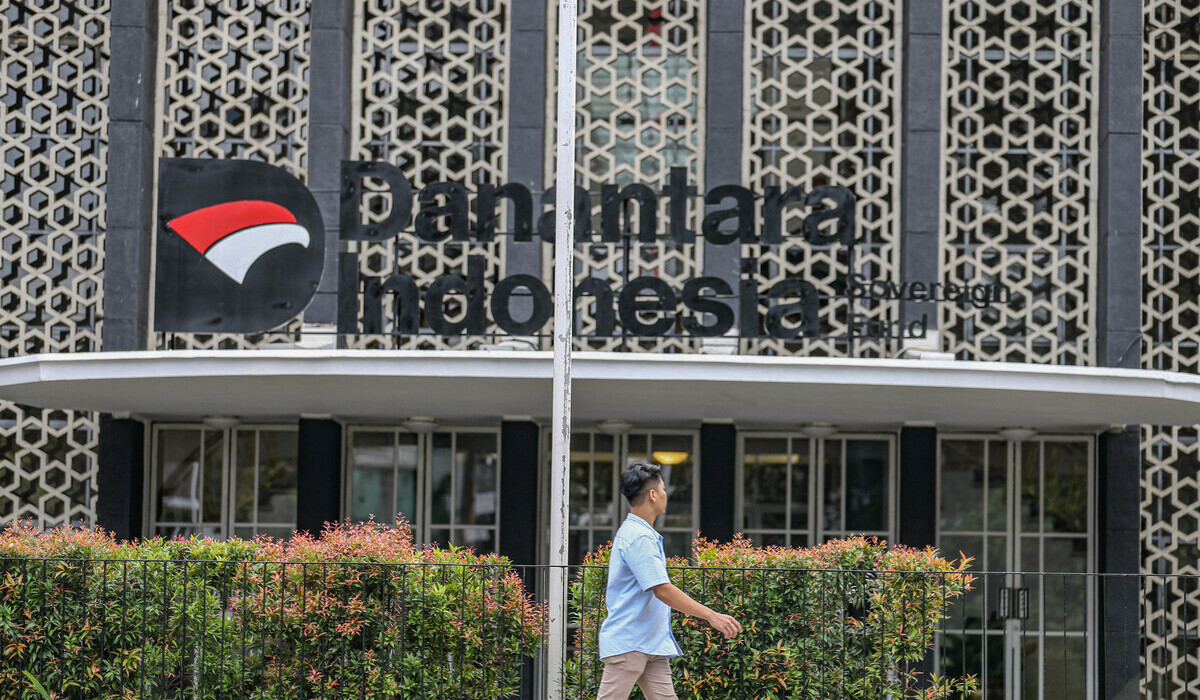
The government’s policy to form PT Danantara Sumberdaya Indonesia (DSI) under the supervision of Danantara Indonesia has received a positive response from academics. The new entity is considered strategic for safeguarding national commodities while also pushing back against under-invoicing practices that have harmed the state. An economist at Andalas University, Syafrudin Karimi, said that the presence of PT DSI could strengthen export governance and national economic sovereignty. However, he stressed the importance of a transparent and accountable system in its operations. “The policy of forming a state entity under the supervision of Danantara Indonesia can certainly reinforce national economic sovereignty. The government must build a system that is transparent, accountable, and aligned with public interests,” Syafrudin said in Jakarta, on Friday, 22 May 2026. Syafrudin explained that main commodities such as coal and palm oil are often exported without tight oversight, making them vulnerable to under-invoicing — the act of reporting export values lower than actual market prices. With the arrival of PT DSI, it is expected that the state can strengthen transfer pricing audits and integrate customs data, tax, banking, and ports for risk-based inspections. “This step can close space for manipulation without outrightly shutting down the role of private exporters,” he added. Previously, Danantara Indonesia’s CEO and also the Minister of Investment and Handover/Head of BKPM, Rosan Roeslani, stressed that the formation of PT DSI is a follow-up to President Prabowo Subianto’s directive. Its aim is to improve governance of commodity trade to be more transparent. Rosan revealed data from the World Bank showing high levels of under-invoicing and transfer pricing on Indonesian commodities for years. This is the main basis for the government to intervene through Danantara. “Danantara is forming PT Danantara Sumberdaya Indonesia as a platform that will oversee transparency of export transactions, from volume and price to the mechanism for delivering commodities,” Rosan stated at a previous press conference. Syafrudin Karimi reminded that the new entity should maintain a healthy business climate. “If the entity opens data, protects producer prices, monitors foreign exchange, and limits the space for middlemen benefiting from rents, then this policy can become a real instrument of economic sovereignty,” he concluded.