
Academics say biodiesel programme effectively reduces fuel oil imports
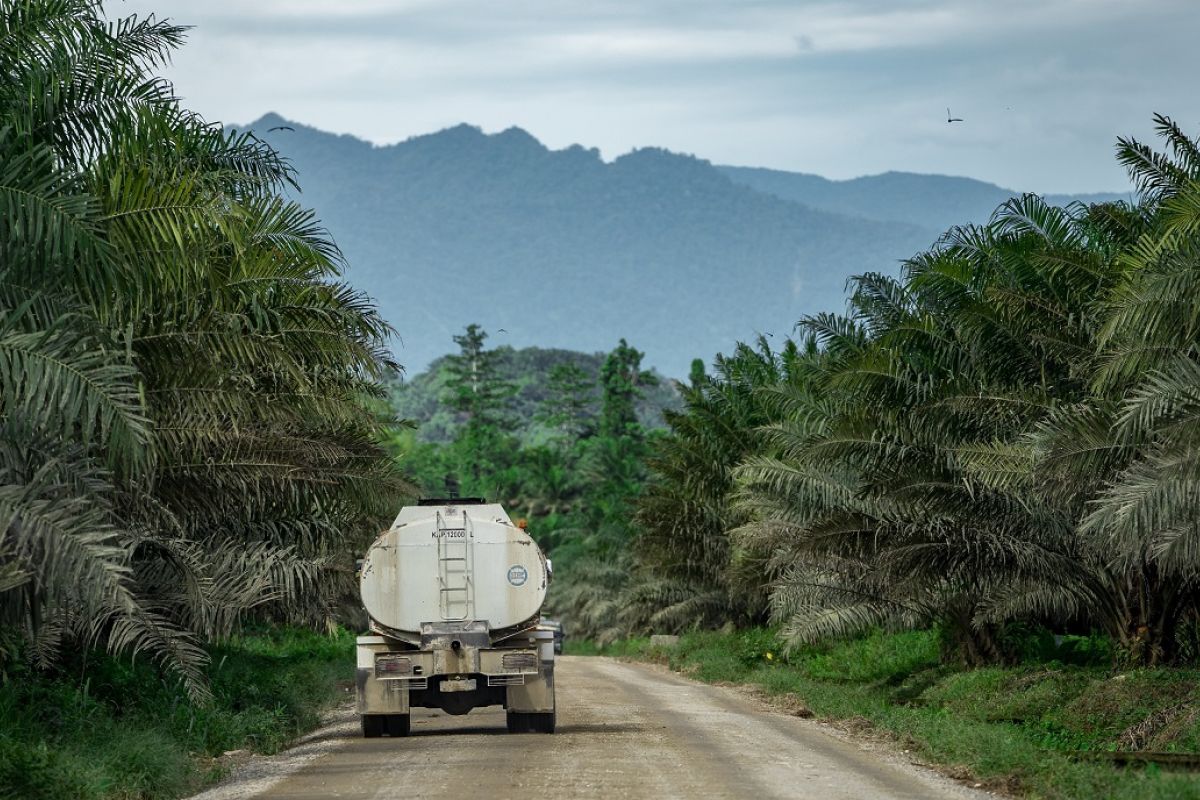
Professor Rhenald Kasali from the Faculty of Economics and Business at the University of Indonesia (FEB UI) states that the mandatory biodiesel policy plays a strategic role in reducing Indonesia’s dependence on imports of petroleum fuel (BBM), particularly diesel. According to him, the mandatory biodiesel policy has great potential as a substitute for diesel, especially supported by the abundant availability of palm oil raw materials domestically and the relative maturity of processing technology. “The biodiesel programme is indeed effective in curbing diesel imports and improving the energy trade balance through a significant reduction in diesel imports. The programme can save foreign exchange of up to $8-10 billion per year,” he said in his statement in Jakarta on Tuesday. Regarding this, he hopes for good governance of the palm oil industry to support the sustainability of the biodiesel programme, including efforts to prevent deforestation, preserve the environment, and respect the rights of indigenous communities. He also hopes that the biodiesel programme can minimise the potential for conflict between food and energy needs (trade-off fuel-food). “It should be remembered that palm oil is not a homogeneous product for energy. Increasing the allocation of crude palm oil (CPO) to energy can reduce food supplies, triggering difficulties for household substitutes, namely shortages and rising prices of cooking oil,” he said. Meanwhile, Executive Director of the Palm Oil Agribusiness Strategic Policy Institute (PASPI) Tungkot Sipayung added that the development of bioenergy through the mandatory biodiesel policy contributes significantly to reducing imports of fossil-based BBM. Indonesia has consistently developed the mandatory biodiesel programme from B1 to B50, targeted for July 2026, he added, and this programme can reduce dependence on diesel imports by around 50 percent. The implementation of B40 biodiesel, according to him, has reduced diesel imports from 8.3 million kilolitres in 2024 to 5 million kilolitres in 2025, or a reduction of 3.3 million kilolitres. Tungkot stated that in terms of foreign exchange import savings, the 2025 biodiesel policy has succeeded in saving Rp130.21 trillion and reducing emissions by 38.88 million tonnes of CO2 equivalent, while the B40 programme increases the added value of CPO to biodiesel by Rp20.43 trillion. The implementation of the mandatory policy is carried out gradually in Indonesia from B1 to B25 in 2008, continuing until reaching B50 through support from palm oil funds from export levies managed by the Plantation Fund Management Agency (BPDP). “One of our current successes is substituting imported diesel with palm biodiesel,” he said. According to him, one of Indonesia’s goals in developing palm bioenergy is to improve the environment; the use of biodiesel is considered more environmentally friendly because it produces lower greenhouse gas emissions compared to fossil fuels. He explained that global fossil energy consumption is the main contributor to emissions, around 70-80 percent, which triggers global warming and global climate change. “By using palm bioenergy, Indonesia has contributed to reducing global emissions. This means that the use of palm bioenergy also improves the living environment and does not damage the environment,” he said. Tungkot stated that palm bioenergy is an important part of Indonesia’s aspiration to achieve energy self-sufficiency and independence in the future, so it will no longer depend on fossil BBM imports. The increase in the utilisation of biodiesel domestically will have a broad impact not only on the energy sector but also on the economy as a whole, he added; this policy provides positive effects for the palm oil industry. Demand for CPO, according to him, will increase, thus helping to maintain fresh fruit bunch (TBS) prices at the farmer level. “Therefore, palm plantation productivity must continue to be improved, and bioenergy processing technology must be continuously refined to achieve increasingly efficient technology,” said Tungkot.